


Electric fencing has become one of the most important security and wildlife management tools in Kenya. From agricultural farms and conservancies to residential estates and industrial facilities, electric fences provide effective protection against trespassing, theft, livestock movement, and human-wildlife conflict.
However, electric fencing projects that affect communities, wildlife habitats, migration routes, rivers, forests, communal grazing lands, or conservancies require careful planning and public consultation before implementation.
In Kenya, public participation is not just a best practice — it is a constitutional, environmental, and legal requirement in many situations.
Poorly planned fencing projects can:
- Block wildlife migration routes
- Increase human-wildlife conflict
- Displace communities
- Cause environmental degradation
- Restrict access to water and grazing land
- Trigger community disputes
- Lead to legal action and project suspension
This is why environmental experts, conservationists, county governments, NEMA, and wildlife authorities insist on public participation before major electric fencing projects begin.
Professional fencing companies like Electric Fences Africa Kenya work closely with communities, environmental experts, and regulators to ensure electric fencing projects comply with Kenyan laws and environmental best practices.
Explore fencing and wildlife-friendly security solutions:
- Electric Fence Systems Kenya
- Agricultural & Wildlife Fencing Kenya
- Solar Electric Fence Solutions Kenya
What Is Public Participation?
Public participation is the process of involving affected individuals, communities, stakeholders, and institutions in decision-making before a project is implemented.
In the context of electric fencing, public participation may involve:
- Community meetings
- Stakeholder consultations
- Environmental Impact Assessment (EIA) hearings
- Wildlife corridor mapping discussions
- Landowner consultations
- County government engagement
- Indigenous community consultations
The goal is to:
- Identify risks
- Understand community concerns
- Reduce conflict
- Improve project planning
- Protect the environment
- Ensure legal compliance
Why Electric Fencing Can Become a Community Issue
Electric fences may appear to be simple security systems, but in reality they can have major environmental and social impacts.
Large-scale fencing projects can:
- Divide grazing lands
- Restrict wildlife movement
- Separate communities
- Affect water access routes
- Interfere with traditional migration paths
- Increase ecological fragmentation
In pastoral and wildlife-rich counties such as:
- Narok
- Kajiado
- Laikipia
- Samburu
- Taita Taveta
- Isiolo
electric fencing decisions can affect entire ecosystems and local livelihoods.
The Kenyan Constitution and Public Participation
Kenya’s Constitution strongly supports public participation.
Article 10 of the Constitution of Kenya
Article 10 identifies public participation as a national value and principle of governance.
This means public involvement is expected in:
- Environmental projects
- Community-impact developments
- Land use decisions
- Public resource management
Any project likely to affect local communities or the environment should involve consultation processes.
Article 42 – Right to a Clean and Healthy Environment
Every Kenyan has the right to:
- A clean environment
- Ecological protection
- Sustainable development
Projects that threaten ecosystems or public welfare may face legal challenges.
Article 69 – Environmental Obligations
The Constitution also requires Kenya to:
- Protect biodiversity
- Encourage public participation
- Conserve natural resources
- Protect ecologically sensitive areas
This directly affects fencing projects near:
- Wildlife habitats
- Forests
- Rivers
- Conservancies
- Migration routes
Environmental Management and Coordination Act (EMCA)
Kenya’s Environmental Management and Coordination Act (EMCA) regulates environmental protection and project approvals.
Under EMCA:
- Certain fencing projects may require Environmental Impact Assessments (EIA)
- NEMA approval may be necessary
- Stakeholder consultations may be mandatory
This is especially important for:
- Conservancy fencing
- Wildlife fencing
- Large-scale agricultural fencing
- Industrial perimeter projects
- Infrastructure fencing
Contact Electric Fences Africa
🌍 Website:
Electric Fences Africa Kenya
🌍 Wildlife & Agricultural Fence Systems:
Wildlife-Friendly Fencing Solutions Kenya
🌍 Electric Fence Products Kenya:
Electric Fence Systems & Accessories
📞 Call/WhatsApp:
- +254 722708034
- +254 720456534
- +254 740800099
Role of NEMA in Electric Fencing Projects
The National Environment Management Authority (NEMA) oversees environmental regulation in Kenya.
NEMA may require:
- Environmental Impact Assessments
- Public consultations
- Ecological studies
- Wildlife impact evaluations
before approving sensitive fencing projects.
Projects near:
- National parks
- Conservancies
- Wetlands
- Forests
- Wildlife corridors
are especially likely to face environmental review.
Wildlife Conservation and Management Act
The Wildlife Conservation and Management Act protects Kenya’s wildlife and migration systems.
The law supports:
- Wildlife corridor protection
- Human-wildlife conflict mitigation
- Habitat conservation
- Sustainable land use
Electric fences that block wildlife migration routes may violate conservation objectives if poorly planned.
Why Wildlife Migration Corridors Matter
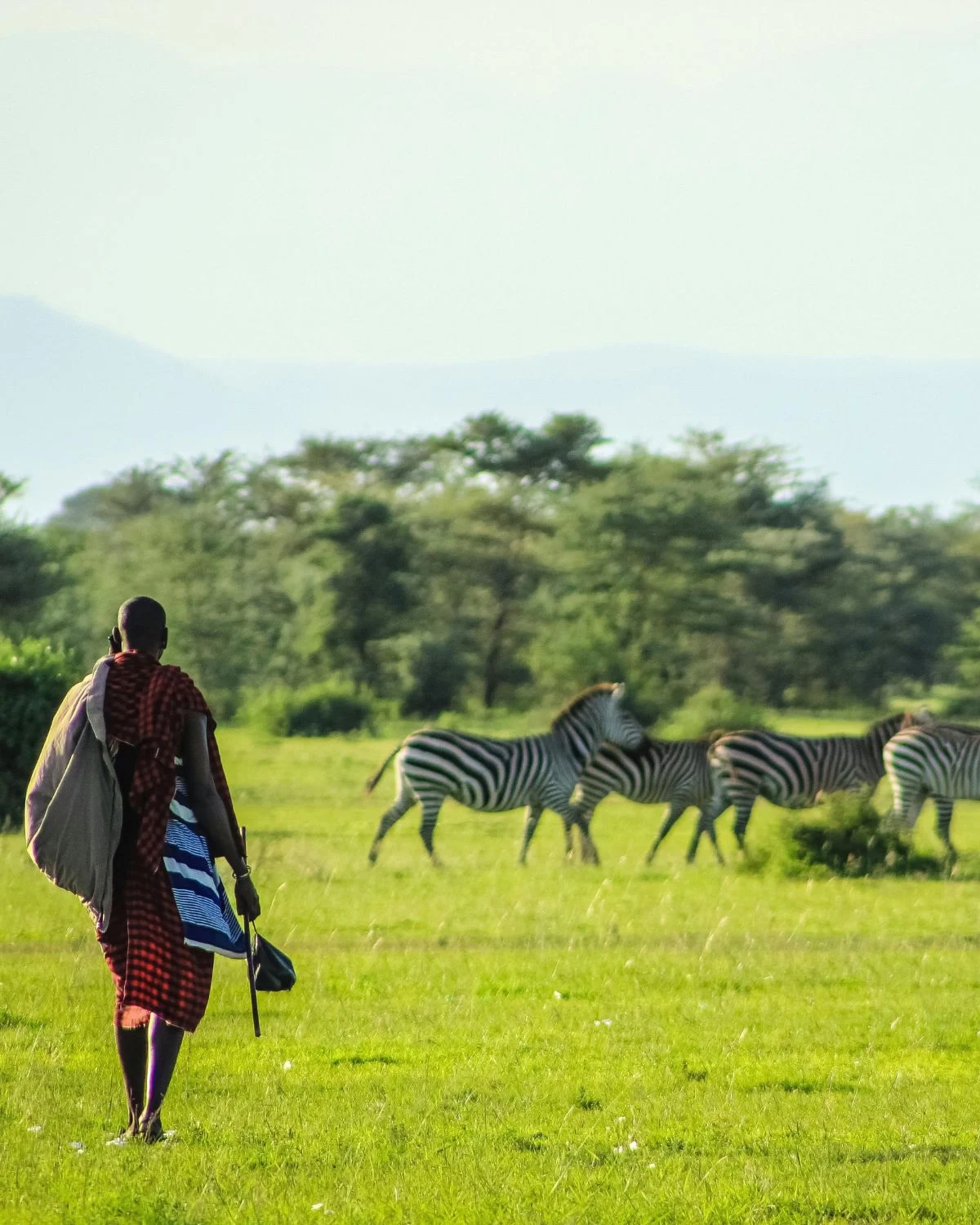
Kenya’s wildlife depends heavily on migration corridors.
Animals such as:
- Elephants
- Wildebeests
- Zebras
- Buffaloes
- Antelopes
move seasonally in search of:
- Water
- Grazing land
- Breeding grounds
Blocking these routes can:
- Increase wildlife deaths
- Trigger human-wildlife conflict
- Damage ecosystems
- Reduce biodiversity
This is why fencing projects must be carefully evaluated.
Human-Wildlife Conflict and Electric Fencing
Electric fencing can both reduce and increase human-wildlife conflict depending on how it is implemented.
Positive Effects
Well-planned electric fences can:
- Protect farms from elephants
- Reduce crop destruction
- Prevent livestock attacks
- Improve community safety
Negative Effects
Poorly planned fencing can:
- Trap wildlife
- Block migration routes
- Force animals into villages
- Increase ecosystem pressure
Public participation helps balance these competing needs.
Importance of Community Consultation
Communities living near wildlife areas often possess valuable local knowledge.
Residents may understand:
- Traditional wildlife routes
- Seasonal grazing patterns
- Water access routes
- Historical conflict zones
Ignoring local knowledge may create major project failures.
Community engagement helps:
- Reduce resistance
- Improve project acceptance
- Identify hidden risks
- Build trust
Best Practices for Electric Fencing Near Wildlife Areas
Industry best practices recommend:
- Wildlife corridor mapping
- Ecological assessments
- Stakeholder engagement
- Fence gap planning
- Wildlife crossing zones
- Environmental monitoring
These approaches improve sustainability and legal compliance.
Contact Electric Fences Africa
🌍 Official Website:
Electric Fences Africa Official Site
🌍 Agricultural & Conservation Fencing Kenya:
Conservancy & Farm Fence Solutions Kenya
🌍 Solar Electric Fence Systems Kenya:
Solar Fence Systems Kenya
📞 Speak With Our Team:
- +254 722708034
- +254 720456534
- +254 740800099
Case Study 1: Narok County – Maasai Mara Ecosystem
Narok County contains one of Africa’s most important wildlife ecosystems.
The Maasai Mara ecosystem depends on open migration corridors connecting:
- Conservancies
- Community lands
- Grazing zones
In some areas, private fencing projects have:
- Restricted wildlife movement
- Reduced grazing access
- Increased ecosystem fragmentation
Conservation organizations and county authorities now emphasize:
- Community consultation
- Wildlife mapping
- Public participation
- Shared land-use planning
before fencing approvals.
Case Study 2: Kajiado County – Amboseli Wildlife Corridors
Kajiado hosts critical elephant migration routes between:
- Amboseli National Park
- Community lands
- Tanzania border ecosystems
Rapid fencing expansion has raised concerns about:
- Elephant movement restriction
- Increased conflict
- Habitat fragmentation
Community consultations now play a major role in:
- Fence routing
- Corridor preservation
- Conflict mitigation planning
Case Study 3: Nanyuki & Laikipia Conservancies
Laikipia County has extensive ranches and wildlife conservancies.
Electric fencing is commonly used for:
- Wildlife management
- Livestock control
- Security
However, some projects have faced disputes involving:
- Community grazing rights
- Wildlife access
- Water points
- Land subdivision impacts
Public participation helps balance:
- Conservation goals
- Community livelihoods
- Private land rights
Case Study 4: Nyeri County – Aberdare Conservation Areas
Electric fencing around parts of the Aberdare ecosystem has helped:
- Reduce crop destruction
- Protect communities from wildlife
However, fencing projects required:
- Environmental studies
- Stakeholder engagement
- KWS involvement
- Community awareness campaigns
These consultations improved project success and reduced disputes.
Case Study 5: Tsavo Ecosystem – Taita Taveta County
Tsavo hosts one of Kenya’s largest elephant populations.
Large-scale fencing proposals in the region raised concerns about:
- Wildlife movement disruption
- Ecological fragmentation
- Tourism impacts
Conservation experts recommended:
- Corridor protection
- Strategic fence placement
- Public participation
- Scientific environmental assessments
before project approvals.
Consequences of Ignoring Public Participation
Projects that ignore community engagement may face:
- Court cases
- Community resistance
- Project delays
- Environmental fines
- NEMA enforcement actions
- Fence destruction
- Political disputes
Poorly planned fencing may ultimately become more expensive than properly managed projects.
Role of County Governments
County governments increasingly regulate land use and environmental management.
They may require:
- Community meetings
- Public notices
- Land consultations
- Environmental approvals
before fencing projects proceed.
Role of Kenya Wildlife Service (KWS)
KWS may become involved when fencing affects:
- Wildlife corridors
- Protected species
- Conservancies
- National parks
KWS helps:
- Assess wildlife impacts
- Recommend corridor protection
- Advise on fence design
Environmental Impact Assessments (EIA)
An Environmental Impact Assessment evaluates:
- Ecological risks
- Community effects
- Wildlife impacts
- Water resource impacts
- Vegetation disturbance
EIAs often include:
- Public participation reports
- Stakeholder interviews
- Site inspections
Contact Electric Fences Africa
🌍 Homepage:
Electric Fences Africa Kenya
🌍 Wildlife-Friendly Fence Solutions Kenya:
Conservation Electric Fencing Kenya
🌍 Perimeter Security Fence Systems:
Security & Agricultural Fence Systems Kenya
📞 Contact Our Experts:
- +254 722708034
- +254 720456534
- +254 740800099
Best Industry Practices for Wildlife-Friendly Fencing
Modern conservation fencing may include:
- Elephant-friendly designs
- Wildlife underpasses
- Seasonal fence openings
- Smart monitoring systems
- Low-impact routing
These approaches reduce ecological disruption.
Importance of Indigenous Knowledge
Pastoral communities often possess deep environmental knowledge.
Indigenous knowledge can help identify:
- Seasonal migration routes
- Flood zones
- Grazing cycles
- Wildlife behavior
Successful projects integrate:
- Scientific data
- Local experience
- Community participation
Sustainable Development and Electric Fencing
Sustainable fencing balances:
- Security needs
- Environmental protection
- Community welfare
- Conservation objectives
This requires:
- Responsible planning
- Long-term ecological thinking
- Legal compliance
How Professional Fencing Companies Support Compliance
Professional fencing companies help clients:
- Conduct site assessments
- Identify environmental risks
- Plan fence routing
- Engage stakeholders
- Support regulatory approvals
This reduces legal and environmental risks.
Why Responsible Fencing Matters for Kenya’s Future
Kenya’s economy depends heavily on:
- Agriculture
- Tourism
- Conservation
- Community livelihoods
Poor fencing practices threaten:
- Biodiversity
- Wildlife tourism
- Ecosystem stability
- Community harmony
Responsible fencing helps protect both people and nature.
Frequently Asked Questions (FAQs)
1. Is public participation legally required for electric fencing projects in Kenya?
Yes, especially for projects affecting communities, wildlife habitats, or sensitive ecosystems.
2. Does electric fencing require NEMA approval?
Some large-scale or environmentally sensitive projects may require NEMA approval and Environmental Impact Assessments.
3. Why are wildlife corridors important?
Wildlife corridors allow animals to move safely between habitats for food, water, and breeding.
4. Can electric fences harm wildlife migration?
Yes. Poorly planned fencing can block migration routes and increase human-wildlife conflict.
5. Which Kenyan laws support public participation?
Relevant laws include:
- Constitution of Kenya
- EMCA
- Wildlife Conservation and Management Act
6. What is an Environmental Impact Assessment (EIA)?
An EIA evaluates environmental and social impacts before project implementation.
7. Can electric fencing reduce human-wildlife conflict?
Yes, when properly planned and responsibly installed.
8. Why should communities be consulted before fencing projects?
Communities provide local knowledge and help reduce future disputes.
Conclusion
Public participation is one of the most important steps in responsible electric fencing projects in Kenya.
When fencing affects:
- Communities
- Wildlife habitats
- Migration routes
- Conservancies
- Grazing lands
consultation and environmental planning become essential.
Kenyan laws, environmental regulations, and conservation best practices all support:
- Stakeholder engagement
- Ecological protection
- Sustainable land use
- Responsible fencing development
Properly planned electric fencing can:
- Improve security
- Reduce human-wildlife conflict
- Protect farms
- Support conservation
while still respecting community rights and environmental sustainability.
For professional wildlife-friendly electric fencing solutions in Kenya, consult Electric Fences Africa Kenya.
Explore fencing systems and conservation solutions: