
Solar-Powered Farm Electric Fencing in Kenya
Secure your farm, ranch or livestock paddock with a reliable solar-powered electric fence from Electric Fences Kenya. We design, supply and install solar-powered farm electric fencing systems using treated wooden posts, steel posts or galvanised steel posts, depending on your terrain, fencing requirements, budget and preferred level of durability.
Our solar-powered electric fences are suitable for farms, ranches, livestock enclosures, wildlife management areas and agricultural properties across Kenya. The systems use solar energy to power an electric fence energizer, providing perimeter protection even in locations where grid electricity is unavailable or unreliable.
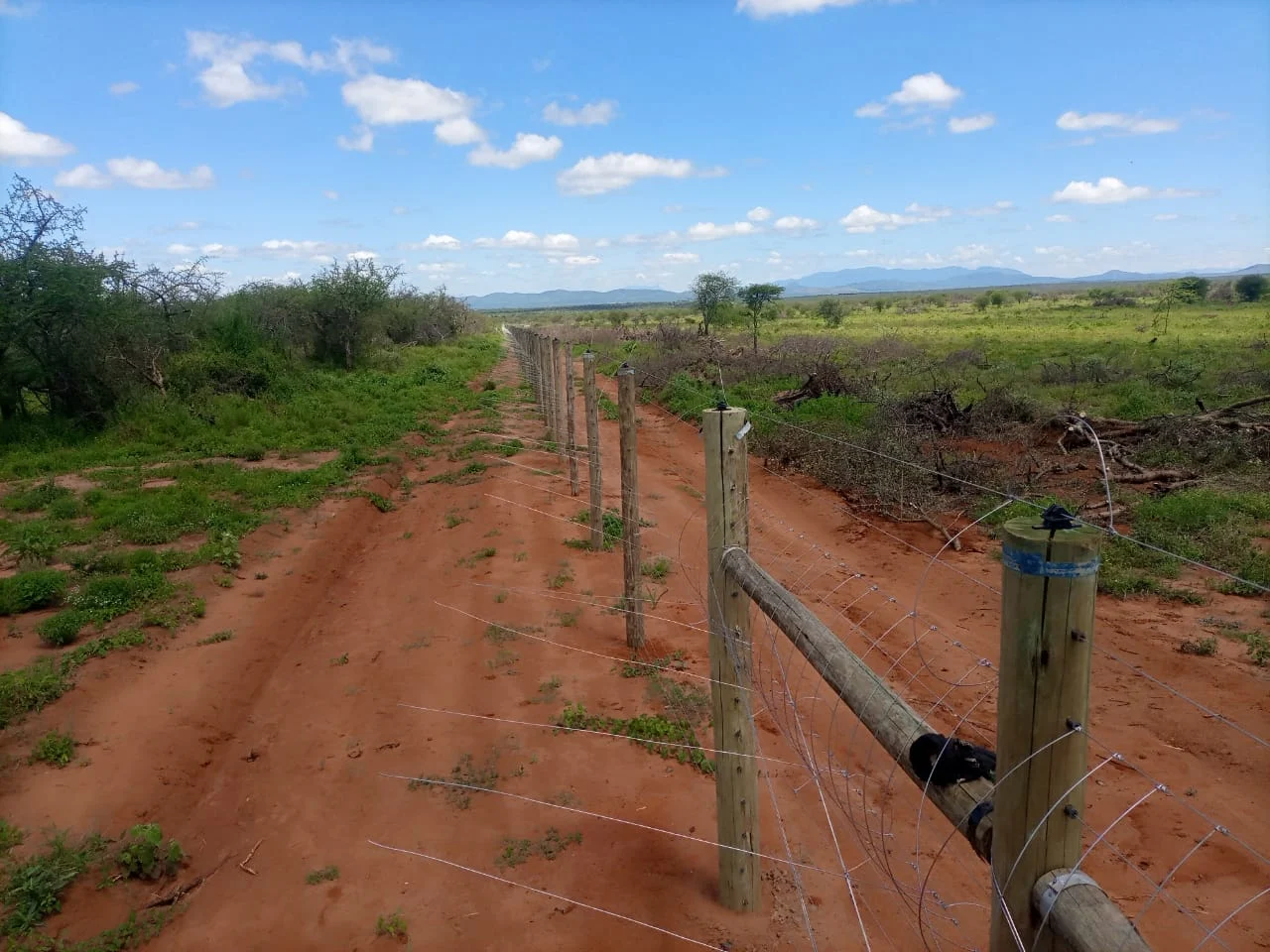
Price a free-standing electric fence on steel, galvanized or treated wooden posts. Enter your perimeter or your acreage and get an itemised bill of materials in shillings, with the solar kit, energiser, gates and installation.
- Steel, galvanized and wooden posts priced side by side
- Solar kit, energiser, gates and alarm in one itemised list
- Prices in KSh, including 16% VAT, with a site survey to confirm
Solar electric fence cost calculator
Set your perimeter, pick a post type and the number of strands, and the price updates as you go. This calculator is for free-standing fences in open ground. If your fence will sit on top of a wall, use our wall-top electric fence calculator instead.
Solar powered electric fence estimate prepared
electricfences.africa | +254 740 800099 | info@electricfences.africa
| Item | Qty | Unit | Unit price | Total |
|---|---|---|---|---|
| Enter your fence length above to build your list. | ||||
Standard design assumed: free-standing fence on level ground, double-galvanized 2.5 mm high-tensile wire in 1,000 m rolls, strainer posts at every corner, beside every gate and about every 70 m, two support posts per strainer, earthing and warning signs along the line. Rocky ground, steep slopes, rivers and very long runs need a custom design.
| Plot size | Perimeter | Estimated total with VAT | Per acre |
|---|
Square plots with four corners and one vehicle gate, using the post type, strands and extras selected above. Where the fence needs a larger energiser than our list covers, the energiser is not included and is marked with a plus sign. Larger plots cost less per acre because the perimeter grows more slowly than the area.
Steel, galvanized or treated wooden posts: which should you choose?
All three carry the same wire, insulators, energiser and solar kit. The difference is the post, and the post decides how long the fence lasts, how far apart the posts stand and what the fence costs per metre.
| Post type | Line post | Strainer post | Posts stand about | Best for |
|---|---|---|---|---|
| Steel posts | 40 x 40 mm steel | 75 x 75 mm steel | 3.0 m apart | Farm and plot fences where the lowest steel cost matters |
| Galvanized posts | 40 x 40 x 2 mm galvanized | 75 x 75 x 3 mm galvanized | 3.0 m apart | Security fences and anywhere rust is a worry |
| Treated wooden posts | 4 to 5 inch, 9 ft treated timber | 5 to 6 inch, 10 ft treated timber | 3.0 m apart | Large farm boundaries where timber is easy to source |
Steel posts
Slim steel line posts with heavier steel strainer posts at corners, gates and long runs. This is the lowest-cost metal option, and it is a sensible choice for a farm perimeter that needs to be strong and tidy without paying for a galvanized finish.
Galvanized posts
Heavier zinc-coated posts that resist rust for longer than plain steel. They cost more per post but suit security fences around valuable property, wet areas and the coast, where plain steel rusts faster.
Treated wooden posts
Treated timber costs the least per post and is common on large farms. Posts stand closer together, so you need more of them, and the timber must be properly treated for the ground. The concrete bill is lower because mainly the strainer posts are set in concrete.
Not sure which to pick?
Tell us the soil, the rainfall and what you are protecting. We will recommend a post type at the site survey, and you can compare all three in the calculator in the meantime.
How a solar powered electric fence works
A solar panel charges a battery during the day. The battery feeds an energiser, which sends short, repeated high-voltage pulses along the fence wires. Anyone or anything that touches the wire completes the circuit to earth and gets a sharp shock that makes most people and animals back away.
Because the battery does the work at night and through cloudy spells, the fence stays live after dark. That is why solar electric fencing suits farms, ranches and plots where mains power is unreliable or too far away.
The pulses are brief and low in energy. They are designed to deter, not to injure, when the fence is built to specification with proper earthing and clear warning signs. Installation quality matters more than the brand on the box.
A fence is also a detector. If a wire is cut, grounded on vegetation or pulled down, the voltage falls and an alarm or monitor can tell you. Keep children and animals you do not want to fence out away from the wires, and clear vegetation along the line so the fence does not bleed power.
What goes into a free-standing solar electric fence
Your bill of materials is built from these parts.
- Energiser
- Generates the pulses. Sized by the total length of wire it has to drive, which is the fence length multiplied by the number of strands.
- Solar power kit
- A 250 W solar panel, 100 Ah battery and 30 A MPPT charge controller, with MC4 connectors, cables and a mounting rack.
- High-tensile wire
- Double-galvanized 2.5 mm wire in 1,000 m rolls. The number of rolls is your perimeter times the strands, rounded up to a full roll.
- Line posts
- Steel, galvanized or treated wooden posts that carry the insulators along the fence, set in concrete.
- Strainer posts and supports
- Heavier posts at corners, beside gates and along long runs, each braced by two support posts, so the wires stay tight.
- Insulators
- UV protected insulators on every line post for every strand, plus porcelain or jumbo insulators on the strainers.
- Lead-out and under-gate cable
- Heavy-duty 2.5 mm cable that carries the pulse from the energiser to the fence and underneath each gate.
- Earth rods
- Complete the circuit. A poor earth is the most common reason a fence feels weak.
- Warning signs
- Danger signs along the fence so everyone can see it is live.
- Alarm kit and fence monitor
- A siren, strobe and sounder with gate contacts and alarm cable, plus an optional monitor that raises the alarm when the voltage drops.
- Gates
- A 4 m wide vehicle gate and a 1.5 m pedestrian gate, electrified and connected to the fence.
- Enclosure and panel stand
- An optional lockable box for the energiser and battery with a stand for the panel.
How much does a solar electric fence cost in Kenya?
Fence prices are quoted for the whole job, but they are really the sum of a few big items. These move the total the most.
- Perimeter. Wire, posts, insulators, concrete and labour all scale with length.
- Number of strands. Moving from 12 to 21 strands nearly doubles the wire and the insulators.
- Post type. Posts are usually the largest single cost. Galvanized posts cost more than steel, and wooden posts cost the least each but stand closer together.
- Energiser size. Longer fences with more strands need a larger, more expensive energiser.
- Gates. Each gate adds supply cost, strainer posts, cable and an alarm contact.
- Solar kit, alarm and monitor. These are fixed costs, so they weigh less on a long fence.
- Ground and access. Rock, slopes, rivers and bush clearing add time and cost.
- Location. Distance from Nairobi affects transport and technician time.
A 40 acre square plot has a perimeter of about 1,600 m, and a 10 acre plot is about 800 m. Because perimeter grows more slowly than area, larger farms cost less per acre to fence. The table under the calculator shows this for the options you have chosen.
The calculator shows your average cost per metre as soon as you enter a length, so you can compare quotes from other companies like for like.
Where free-standing solar electric fences are used
Farms and ranches
Secure crops, stores, pumps and boundaries across large acreages without running mains power to the fence.
Dairy and livestock
Keep animals in, keep predators and thieves out, and protect feed stores and milking areas.
Flower and horticulture farms
High-value greenhouses, cold rooms and packhouses are targets. A strong perimeter and alarm give early warning.
Plots and construction sites
Fence an empty plot or a building site before a wall exists, and protect materials and equipment.
Schools, institutions and estates
Open boundaries across sports fields and compounds can be secured without a wall, with signs and monitoring.
Yards, quarries and storage
Perimeter security for vehicles, stock and plant in places where mains power is unreliable.
How we install your solar electric fence
- Estimate
Use the calculator or send us your plot location and size on WhatsApp.
- Site survey
We walk the line, mark corners and gates, and check soil, slope and sun. It is free.
- Final quotation
An itemised quotation with quantities, brands, payment terms and timeline.
- Installation
Posts set in concrete, wire strained, insulators, energiser, earthing and solar kit fitted and tested.
- Handover and care
We show you how to test the fence and arrange regular maintenance visits.
Solar electric fence installation across Kenya
We supply, install and maintain free-standing electric fences in these areas. If yours is not listed, send us your location.
Nairobi and surrounds: Nairobi, Kiambu, Thika, Ruiru, Juja, Kitengela, Ongata Rongai, Kajiado, Machakos, Athi River.
Rift Valley: Nakuru, Naivasha, Narok, Eldoret, Kitale, Kericho, Bomet, Nanyuki, Laikipia.
Central and Eastern: Nyeri, Meru, Embu, Kitui, Makueni.
Coast: Mombasa, Kilifi, Malindi, Kwale, Diani.
Western and Nyanza: Kisumu, Kakamega, Kisii, Bungoma, Homa Bay.
Solar electric fence questions, answered
How much does a solar powered electric fence cost in Kenya?
The cost depends on the perimeter, the number of strands, the post type, the energiser, the gates and how much of the job you want us to do. Use the calculator on this page for an itemised estimate in KSh including 16% VAT, then book a free site survey to confirm the final quotation. Long fences cost less per metre because the solar kit and energiser are shared across more fence.
How much does it cost to fence 40 acres with an electric fence?
A square 40 acre plot has a perimeter of about 1,600 m. Type 40 into the acres box in the calculator, choose your post type and strands, and it builds an itemised estimate. Narrow or irregular plots have a longer perimeter, so we confirm the real fence line at the site survey.
Should I choose steel, galvanized or treated wooden posts?
Galvanized posts resist rust longest and suit security fences. Steel posts are the lowest-cost metal option. Treated wooden posts cost least per post and are common on large farms, but they stand closer together and the timber must be properly treated. We recommend a post type after seeing your soil, rainfall and what you are protecting.
How many strands does a free-standing electric fence need?
Eight to twelve strands suit livestock and lighter boundaries. Sixteen to twenty-one strands are used where security matters, and 21 strands about 8 ft above ground is our maximum-security layout. More strands cost more but leave less room to climb or crawl through.
How does a solar powered electric fence work?
A solar panel charges a battery during the day. The battery powers an energiser that sends short high-voltage pulses along the fence wires. A person or animal that touches the wire completes the circuit to earth and gets a sharp shock designed to deter, not injure. The battery keeps the fence live at night and through cloudy weather.
Will a solar electric fence work at night and on cloudy days?
Yes. The battery runs the energiser at night and through cloudy spells, and the panel recharges it when the sun returns. The solar kit in the calculator is a 250 W panel with a 100 Ah battery and a 30 A MPPT controller, and we confirm the sizing at the site survey.
Can a solar electric fence keep out livestock, wildlife and thieves?
A well-designed fence deters all three, but the design is different for each. Tell us which animals you need to keep in or out and what you are protecting, so we choose the right number of strands, height and energiser. Security fences and livestock fences are not built the same way.
Do I need an alarm or a fence monitor?
They are optional, and we recommend them for high-value sites. The alarm kit sounds a siren and strobe when the fence is tampered with or a gate is opened. The fence monitor watches the fence voltage and drives a 30 W siren output, so you are alerted when the voltage drops.
Can I power the energiser from the mains instead of solar?
Yes. Untick the solar power kit in the calculator and the estimate drops the panel, battery and controller. A mains-powered fence stops during a power cut unless the energiser has a battery, so solar suits sites with unreliable power.
How long does installation take?
It depends on the perimeter, the ground and access. Our recent quotations give about 24 to 45 working days for fences between 400 m and 1,600 m, counted from confirmation of the order. The timeline is stated on your final quotation.
What warranty and maintenance do you offer?
Supplied equipment carries a 12-month warranty. After the first year we offer electric fence maintenance visits every six months. The terms are set out on your quotation.
What is the difference between a free-standing and a wall-top electric fence?
A free-standing fence stands on its own posts set in the ground, so it suits open land, farms and plots. A wall-top fence mounts on insulated posts on top of an existing wall. If you already have a wall, use our wall-top electric fence calculator instead.
Do you install solar electric fences outside Nairobi?
Yes. We install across Kenya, including Nanyuki, Laikipia, Nakuru, Naivasha, Narok, Eldoret, Kisumu, Mombasa and Machakos. Send us your location and we will confirm travel and scheduling.
Request a free site survey
Tell us where the fence is going and we will arrange a visit. If you used the calculator, your estimate is added to the message automatically.
- Phone and WhatsApp: +254 740 800099
- Email: info@electricfences.africa
- Coverage: Nairobi, Mombasa, Nakuru, Kisumu and nationwide