

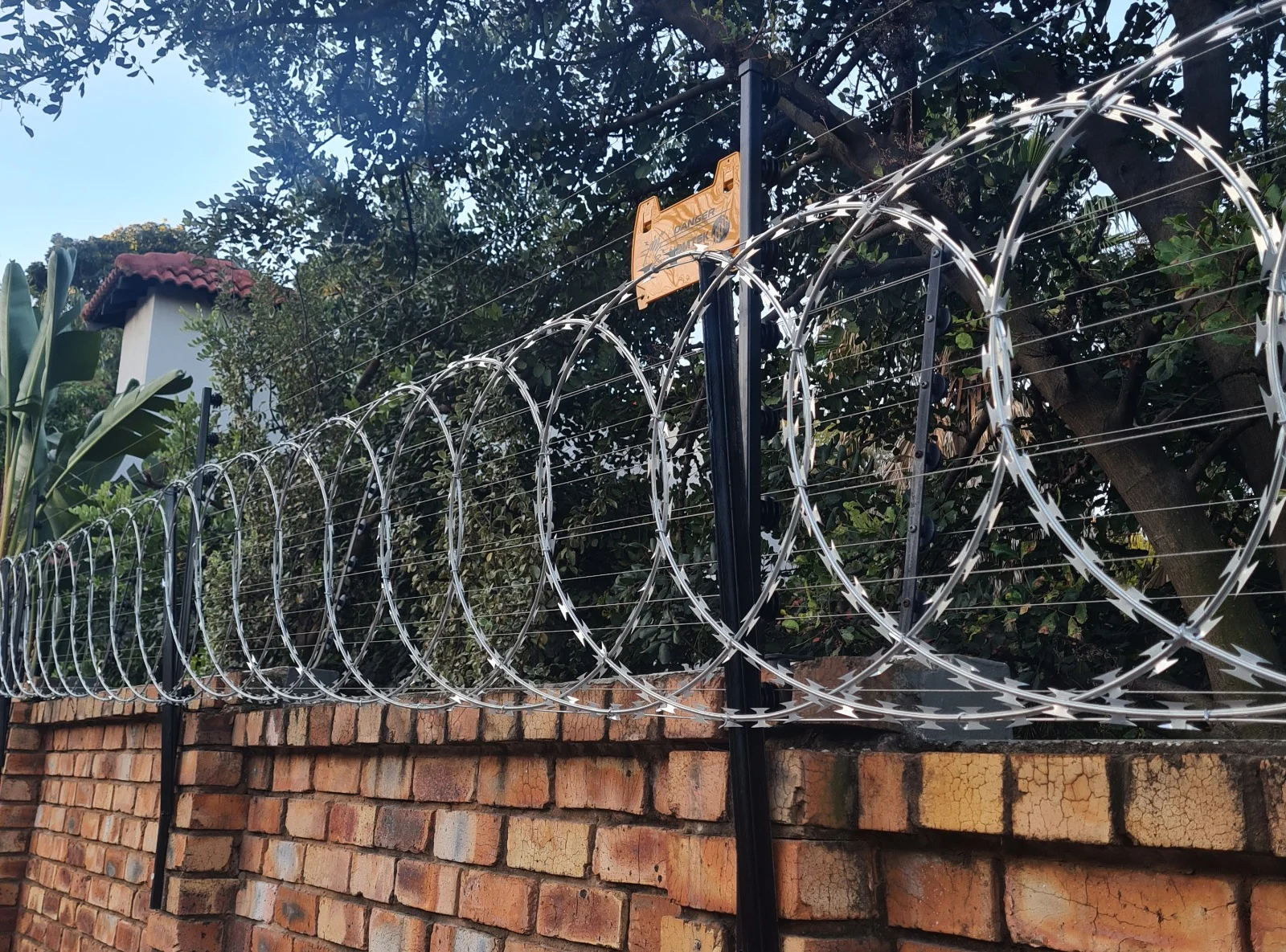
Electric fencing is one of the most effective security and livestock protection solutions in Kenya. However, for an electric fence to be effective, legal, and safe, it must comply with established safety standards. Understanding electric fence safety standards in Kenya is essential for property owners, installers, and security managers to avoid accidents, legal issues, and system failures.
This guide explains the key safety standards for electric fences in Kenya, covering installation requirements, voltage limits, warning signs, earthing, maintenance, and best practices for compliance.
Are Electric Fences Legal in Kenya?
Yes, electric fences are legal in Kenya when installed and operated according to recognized safety standards. Electric fencing systems must be designed to deter intruders or animals without causing serious injury or death. Any electric fence that poses unnecessary risk to the public may expose the owner to legal liability.
Kenya follows a combination of Kenya Bureau of Standards (KEBS) guidelines, general electrical safety regulations, and internationally accepted electric fencing principles adapted to local conditions.
Importance of Electric Fence Safety Standards
Safety standards exist to:
- Protect humans, livestock, and wildlife
- Prevent fatal or severe electric shocks
- Ensure fences work effectively without excessive voltage
- Reduce legal and insurance risks
- Promote responsible and professional installation practices
A properly installed electric fence should shock, not injure.
Electric Fence Warning Signs Requirements in Kenya
Warning signs are a mandatory safety requirement for electric fences in Kenya.
Warning Sign Specifications
Electric fence warning signs should:
- Be bright yellow with black text or a lightning symbol
- Clearly state that the fence is electrified
- Be weather-resistant and UV-protected
- Remain visible at all times
Placement of Warning Signs
Warning signs must be installed:
- At regular intervals along the fence line
- At gates, entrances, and access points
- Where the fence borders public roads, footpaths, or neighboring properties
Best practice recommends placing warning signs every 10 to 20 meters on public-facing sections of the fence.
Electric Fence Voltage and Power Safety Limits
Electric fences operate at high voltage but extremely low current, making them safe when properly installed.
Recommended Voltage Levels
- 3,000 to 4,000 volts for basic livestock containment
- 5,000 to 7,000 volts for security electric fences
- Up to 9,000 volts for wildlife control and high-security installations
Voltage must be pulsed, not continuous, to reduce the risk of harm.
Energizer Safety Rules
- Only one energizer should power a single fence circuit
- Energizers must be designed specifically for electric fencing
- Improvised or modified power sources are unsafe and prohibited
Professional Installation Standards in Kenya
Electric fences should be installed by trained and experienced professionals who understand Kenyan safety expectations.
Proper installation ensures:
- Correct wire spacing and insulation
- Safe fence height and positioning
- Secure energizer mounting
- Safe routing of high-voltage cables
- Adequate separation from other electrical or communication lines
Poor installation is one of the leading causes of electric fence accidents and system failure.
Earthing and Grounding Safety Standards
Earthing is one of the most critical safety and performance factors.
Proper Earthing Requirements
- Use galvanized earth rods of sufficient length
- Install multiple earth rods in dry or sandy soil
- Place earth rods away from building foundations and water pipes
- Ensure solid electrical connections with corrosion-resistant clamps
A poorly earthed fence can deliver unpredictable shocks and reduce fence effectiveness.
Fence Design and Physical Safety Requirements
Electric fences must be physically safe as well as electrically safe.
Key Design Rules
- Electric wires should not be easily reachable from public areas
- Fence height must reduce accidental contact
- Gates must be properly insulated to prevent shocks when opening or closing
- Electric fencing should never obstruct emergency exits
Barbed Wire and Razor Wire Safety
- Barbed wire or razor wire should not be electrified
- If used, they must be installed as non-electrified deterrents above or below electric wires
- Electrifying sharp wire increases the risk of serious injury and liability
Electric Fence Safety at Gates and Entry Points
Gates are high-risk areas and must be handled carefully.
Safety measures include:
- Insulated gate handles
- Cut-out switches near gate entrances
- Clear warning signs at all access points
- Proper wire tension to prevent sagging
Anyone opening a gate should not come into contact with live wires.
Electric Fence Maintenance and Ongoing Safety
Safety compliance does not end after installation.
Routine Maintenance Requirements
- Regularly test fence voltage levels
- Replace damaged insulators and wires
- Clear vegetation touching live wires
- Inspect earthing systems periodically
- Ensure warning signs remain visible and readable
Neglected electric fences are more likely to fail or become unsafe.
Electric Fence Safety for Residential Properties
For homes and estates, additional care is required:
- Fence height should prevent access by children
- Warning signs must be clearly visible from inside and outside the property
- Energizers should be securely locked or enclosed
- Fence lines should not pass near play areas
Residential electric fences must balance security with public safety.
Electric Fence Safety for Farms and Wildlife Areas
For farms, conservancies, and ranches:
- Use energizers matched to fence length and animal type
- Design fences to avoid trapping wildlife
- Maintain consistent voltage along long fence lines
- Ensure backup power systems function correctly
Wildlife electric fencing requires higher standards due to environmental and ethical considerations.
Common Safety Violations to Avoid
Avoid these common mistakes:
- Using undersized or oversized energizers
- Failing to install warning signs
- Poor earthing or no earthing at all
- Electrifying barbed or razor wire
- DIY installations without technical knowledge
These errors increase accident risk and legal exposure.
Legal Responsibility of Property Owners
Property owners are responsible for ensuring:
- The electric fence complies with safety standards
- Warning signs are installed and maintained
- The fence does not endanger the public
- The system is regularly inspected and maintained
Liability does not shift to the installer once the fence is in operation.
Conclusion
Electric fence safety standards in Kenya exist to protect people, animals, and property while maintaining effective security. Proper installation, correct voltage levels, visible warning signs, reliable earthing, and regular maintenance are essential for compliance. When installed correctly, electric fences are safe, legal, and highly effective.
Investing in professional installation and ongoing maintenance is not just good practice—it is a legal and safety requirement.
Frequently Asked Questions (FAQs)
What are the safety standards for electric fences in Kenya?
Electric fence safety standards in Kenya require proper installation, controlled voltage output, visible warning signs, correct earthing, and regular maintenance. Electric fences must deter intruders or animals without causing serious injury or death and must be installed in a way that minimizes risk to the public.
Are electric fences legal in Kenya?
Yes, electric fences are legal in Kenya when installed according to recognized safety and electrical standards. Property owners are responsible for ensuring the fence does not pose danger to people, livestock, or wildlife and that all safety measures are in place.
What voltage is safe for an electric fence in Kenya?
Safe electric fence voltage in Kenya typically ranges between 5,000 and 7,000 volts for security fencing. Wildlife and high-security installations may use higher voltage levels, provided the current remains low and the shock is pulsed rather than continuous.
Are warning signs mandatory on electric fences in Kenya?
Yes, warning signs are mandatory for all electric fences in Kenya. Signs must clearly indicate that the fence is electrified and should be installed at regular intervals, especially along public boundaries, gates, and access points.
Can barbed wire or razor wire be electrified in Kenya?
No, barbed wire and razor wire should not be electrified in Kenya. Electrifying sharp wire increases the risk of serious injury and may expose the property owner to legal liability. Electric wires should always be smooth and properly insulated.
Who is responsible if someone is injured by an electric fence?
The property owner is legally responsible for ensuring the electric fence complies with safety standards. Failure to install warning signs, maintain safe voltage levels, or follow proper installation guidelines may result in liability if injury occurs.
Do electric fences need professional installation in Kenya?
While not always legally mandated, professional installation is strongly recommended. Qualified installers ensure proper earthing, correct energizer selection, safe fence design, and compliance with safety standards, reducing risk and long-term costs.
How often should an electric fence be inspected for safety?
Electric fences should be inspected at least once every three to six months. Regular inspections help identify damaged wires, poor earthing, vegetation interference, missing warning signs, and voltage irregularities that may compromise safety.