


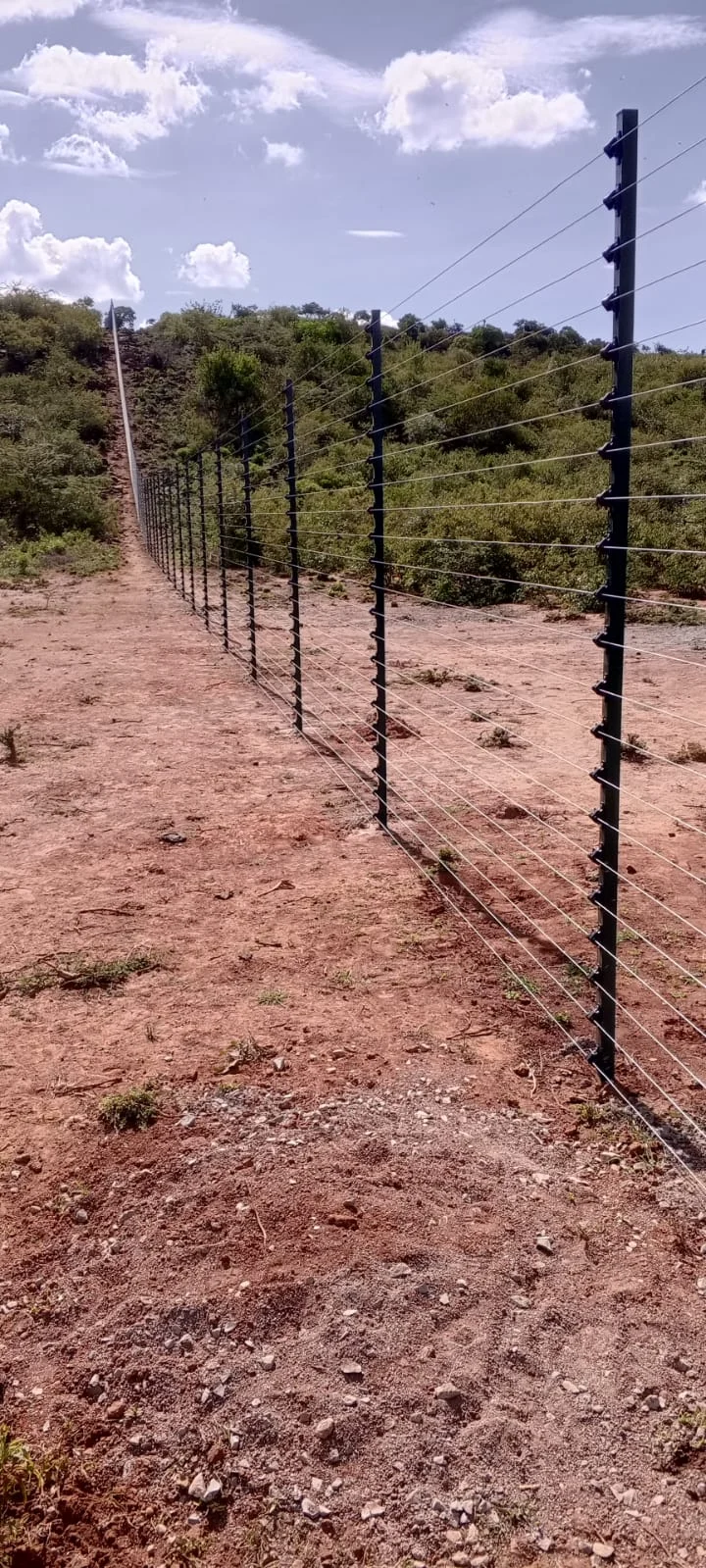
How much does electric fence installation cost in Kenya?
The cost of electric fence installation in Kenya varies depending on several factors, including plot size, type of fence, materials used, and location. For standard residential plots such as 40×80 or 50×100, the total cost typically ranges between KSh 100,000 and KSh 250,000. This estimate includes both materials and labor.
Material costs form the largest portion of the budget. Key components include the energizer, wires, insulators, posts, alarm system, and backup battery. High-quality materials may increase the initial cost but significantly reduce maintenance expenses over time. For example, a reliable energizer alone can cost between KSh 15,000 and KSh 50,000 depending on capacity.
Labor costs vary based on complexity. Simple wall-top installations are generally cheaper than free-standing fences, especially on uneven terrain. Urban areas like Nairobi may also have slightly higher labor charges due to demand and logistics.
Additional features such as razor wire, GSM alerts, and solar backup systems will increase the overall cost. Large properties, especially in areas like Karen, may exceed KSh 300,000 due to longer perimeters.
Ultimately, the best approach is to request a site survey and detailed quotation. This ensures accurate pricing tailored to your property and security needs.
What is the best electric fence energizer for a Nairobi home?
Choosing the best electric fence energizer for a home in Nairobi depends on factors such as fence length, security level, and reliability requirements. The energizer is the core of the system, responsible for delivering high-voltage pulses that deter intruders.
For most residential homes, a medium-powered energizer (3–6 Joules) is sufficient. It provides enough power to cover typical plot sizes like 50×100 while maintaining consistent voltage across all strands.
Key features to look for include:
- Built-in alarm system (tamper and cut detection)
- Battery backup compatibility
- Weather-resistant casing
- Low power consumption
Brands like Nemtek, JVA, and Stafix are widely used in Kenya due to their reliability and performance. Nemtek is particularly popular for residential use because of its user-friendly design and strong local support network.
For homes in high-security areas, it is advisable to choose an energizer with GSM capability. This allows you to receive alerts on your phone if the fence is tampered with.
Ultimately, the “best” energizer is one that matches your fence length, integrates with your security system, and offers long-term reliability.
How many strands does a residential electric fence need?
The number of strands in a residential electric fence is a critical factor in determining its effectiveness. In Kenya, most residential properties use between 6 and 12 strands, depending on the level of security required.
For standard homes, 6–8 strands are usually sufficient. These provide a strong deterrent while maintaining a clean and professional appearance. However, for properties in high-risk areas or with larger perimeters, 10–12 strands are recommended.
Strand spacing is also important. The wires are typically installed closer together at the top to prevent climbing. Proper spacing ensures that intruders cannot bypass the fence easily.
The type of installation also affects strand count. Wall-top fences often use fewer strands compared to free-standing systems, which may require more wires for added protection.
Additionally, combining electric strands with razor wire significantly enhances security. This is common in urban areas where extra deterrence is needed.
Professional installers will recommend the ideal number of strands based on your property layout, wall height, and security needs. Choosing the right configuration ensures maximum protection without unnecessary costs.
Can an electric fence work during a power outage in Kenya?
Yes, electric fences can continue working during power outages in Kenya, provided they are equipped with a backup battery system. This is a standard feature in most modern electric fence installations.
The energizer is typically connected to a rechargeable battery that automatically takes over when mains power is lost. This ensures uninterrupted operation, which is crucial for maintaining security during outages.
A fully charged battery can power the fence for 24 to 72 hours, depending on its capacity and the length of the fence. Larger systems may require higher-capacity batteries to maintain performance.
In areas with frequent power interruptions, some property owners opt for solar-powered systems. These provide continuous charging and eliminate dependence on the grid.
Regular battery maintenance is essential to ensure reliability. Over time, batteries lose capacity and may need replacement every 2–5 years.
In summary, power outages do not compromise electric fence security as long as the system is properly designed with backup power.
What is the difference between JVA, Nemtek, and Stafix energizers?
JVA, Nemtek, and Stafix are three of the most recognized electric fence energizer brands available in Kenya. Each offers unique features and advantages, making them suitable for different applications.
Nemtek is widely used in residential and commercial properties. It is known for reliability, ease of use, and strong local support. Nemtek energizers often come with built-in alarms and user-friendly interfaces.
JVA energizers are popular for high-security installations. They offer advanced features such as network integration, remote monitoring, and higher power output. These are ideal for large properties and commercial use.
Stafix is commonly used in agricultural settings. It is known for durability and efficiency, especially in solar-powered systems. Farmers prefer Stafix for livestock control and large-scale fencing.
The main differences lie in:
- Power output and capacity
- Advanced features (e.g., GSM, networking)
- Intended use (residential vs agricultural)
- Price range
Choosing the right brand depends on your specific needs. For most Nairobi homes, Nemtek or JVA is recommended, while Stafix is ideal for farms.
How do I know if my electric fence is working correctly?
Ensuring your electric fence is functioning properly is essential for maintaining security. There are several ways to check its performance.
The most reliable method is using a voltage tester. A properly functioning fence should read between 5,000 and 10,000 volts. Anything below this range may indicate a problem.
Many modern energizers also have indicator lights or digital displays that show system status. These provide quick visual confirmation of performance.
Signs of a faulty fence include:
- Weak or no shock
- Alarm not triggering
- Visible wire damage
- Frequent voltage drops
Regular inspections are important. Walk along the fence line to check for broken wires, loose connections, or vegetation touching the wires.
Professional servicing is recommended periodically. Technicians use specialized tools to detect hidden faults and ensure optimal performance.
Maintaining proper grounding is also critical. Poor earthing is one of the most common causes of low voltage.
Is it legal to install an electric fence in Kenya?
Yes, it is legal to install electric fences in Kenya, but there are specific safety regulations that must be followed.
The fence must be designed to deliver non-lethal shocks. This ensures safety for humans and animals.
Warning signs must be placed at visible intervals along the fence. These signs alert people to the presence of an electric fence.
The installation must comply with local building codes and safety standards. In some areas, especially urban zones like Nairobi, approval from local authorities may be required.
Improper installation can lead to legal issues, especially if the fence causes harm due to negligence.
Hiring a professional installer ensures compliance with all regulations. They understand safety requirements and ensure the system is properly configured.
How long does electric fence installation take?
The duration of electric fence installation depends on the size of the property, terrain, and complexity of the system.
For standard residential plots such as 40×80 or 50×100, installation typically takes 2 to 4 days. This includes mounting posts, installing wires, and setting up the energizer.
Larger properties or farms may take 5 to 10 days due to longer perimeters and additional components.
The process involves several stages:
- Site survey
- Design and quotation
- Installation
- Testing and handover
Weather conditions and material availability can also affect timelines.
Professional installers work efficiently to minimize disruption while maintaining quality.
What maintenance does an electric fence require?
Electric fences require minimal but essential maintenance to ensure optimal performance.
Routine maintenance includes:
- Checking voltage levels
- Inspecting wires for damage
- Clearing vegetation
- Testing the alarm system
Vegetation is a common issue. Plants touching the wires can reduce voltage and weaken the fence.
Batteries should also be checked regularly. They need replacement every few years depending on usage.
Professional servicing is recommended every 3–6 months. This ensures any hidden faults are detected early.
Proper maintenance extends the lifespan of the system and ensures consistent security.
Can solar power an electric fence on a remote farm?
Yes, solar power is an excellent solution for electric fences on remote farms in Kenya. It provides reliable, off-grid energy for continuous operation.
A solar electric fence system includes:
- Solar panels
- Battery storage
- Charge controller
- Energizer
The solar panel charges the battery during the day, and the battery powers the fence at night or during cloudy conditions.
Solar systems are ideal for farms where grid electricity is unavailable or unreliable. They are also environmentally friendly and reduce long-term energy costs.
Proper system sizing is essential. Larger farms require higher-capacity panels and batteries.
With professional installation and maintenance, solar electric fences provide dependable security for livestock, crops, and property.
Conclusion
This comprehensive FAQ guide provides expert insights into electric fencing in Kenya. From costs and installation to maintenance and legal requirements, understanding these key aspects helps property owners make informed decisions.
Electric fencing remains one of the most reliable and cost-effective security solutions for homes, businesses, and farms across the country.