


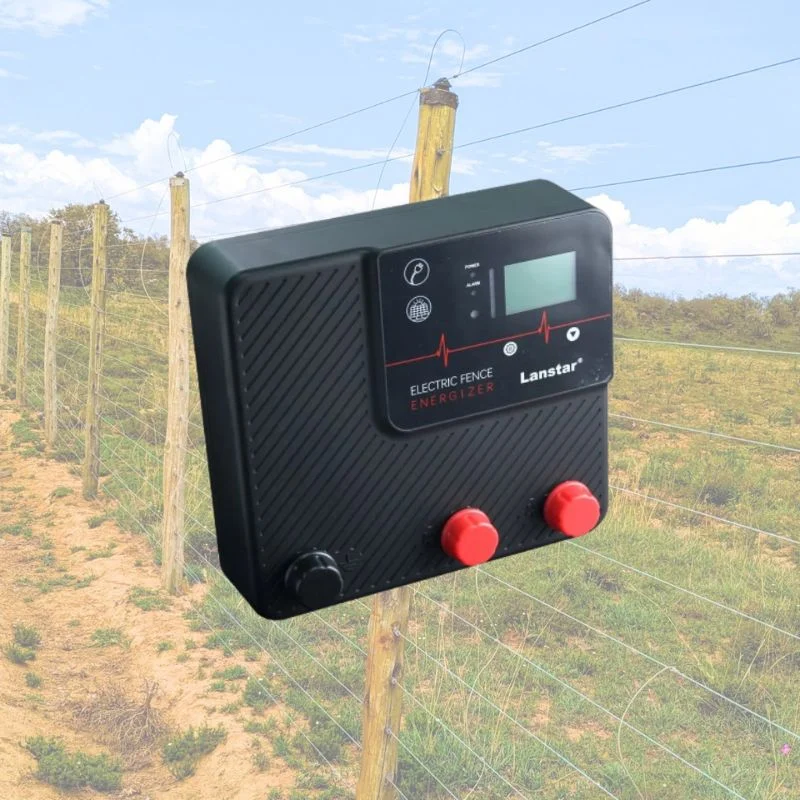
Electric fencing has become an established perimeter protection solution for residential compounds, commercial facilities, industrial premises, institutions, and agricultural properties. While every electric fence consists of multiple components, the energizer is widely regarded as the heart of the entire system. Without a properly functioning energizer, the fence cannot deliver the controlled electrical pulses required for effective operation. The Lanstar P1500 Fence Energizer Machine is designed for installations that require greater output capacity and dependable long-term performance, making it suitable for medium to large electric fence systems.
Understanding how an energizer works is essential for anyone planning an electric fence installation or maintaining an existing system. Many performance issues that appear to be caused by the energizer are often related to poor grounding, damaged insulators, vegetation touching the fence, or inadequate maintenance. This guide explains the role of the Lanstar P1500, its typical features, installation considerations, maintenance practices, and safety recommendations to help users better understand electric fence systems.
Understanding the Role of an Electric Fence Energizer
An electric fence energizer converts electrical energy into carefully timed, high-voltage pulses that travel through the fence conductors. These pulses are separated by short intervals and are designed to maintain the effectiveness of the electric fence while operating within the manufacturer’s intended specifications. The energizer continuously monitors the fence circuit and supplies pulses through the fence wires, returning through the earth system whenever the circuit is completed.
A complete electric fence system includes several components that work together as one integrated solution. Besides the energizer itself, the installation normally consists of high-tensile fence wire, insulated mounting brackets, earth rods, insulated lead-out cable, warning signs, strainers, lightning protection devices, and appropriate connectors. Each component contributes to overall performance. For example, an excellent energizer cannot compensate for poor earthing or damaged fence wires. Likewise, a well-designed grounding system can significantly improve fence performance and reliability.
Overview of the Lanstar P1500 Fence Energizer
The Lanstar P1500 is intended for larger electric fence installations where additional output capacity may be required compared to entry-level energizers. It is commonly selected for applications involving longer fence lines, multiple security zones, or installations with increased electrical loading.
Typical environments where energizers in this class may be used include:
- Residential perimeter security
- Commercial buildings
- Industrial compounds
- Schools and institutions
- Agricultural farms
- Storage facilities
- Warehouses
- Utility installations
Actual fence performance depends on numerous variables including fence length, number of wires, grounding quality, environmental conditions, vegetation growth, and overall installation quality.
Key Features of the Lanstar P1500
High Output Performance
The Lanstar P1500 is designed to provide sufficient pulse energy for larger perimeter fence installations. Higher-capacity energizers are generally better suited for longer fence systems because they can maintain more consistent fence voltage across greater distances when the system is properly designed and maintained.
Dual Power Capability
Many modern electric fence energizers support operation using mains electricity together with a compatible battery backup system. This arrangement allows the fence to continue operating during temporary interruptions to the primary power supply when installed according to the manufacturer’s instructions.
Fence Monitoring
Depending on configuration, energizers in this category may provide fence condition monitoring through indicator lights or compatible alarm outputs. These functions can help identify situations such as excessive electrical leakage, fence faults, or wire breaks that require inspection.
Weather-Resistant Construction
Electric fence energizers are generally housed within durable enclosures that help protect sensitive electronics from dust and moisture. Although weather-resistant, the equipment should still be installed in accordance with the manufacturer’s environmental recommendations to maximize service life.
Important Installation Considerations
Proper installation has a significant influence on the overall performance of an electric fence.
Grounding System
The grounding system is one of the most critical parts of any electric fence. A poorly designed earth system can reduce fence effectiveness even when the energizer is functioning correctly. Multiple earth rods installed in suitable soil conditions often provide better electrical performance than a single grounding point.
Lightning Protection
Outdoor electric fence systems are exposed to lightning-induced surges. Installing suitable lightning protection devices helps reduce the likelihood of surge-related damage to the energizer and associated equipment. Lightning protection should be installed according to the manufacturer’s recommendations and local electrical practices.
Fence Design
Several factors influence electric fence performance:
- Fence length
- Number of conductors
- Wire quality
- Wire tension
- Fence connections
- Vegetation management
- Environmental conditions
- Quality of installation
A balanced design ensures that all components operate together efficiently.
Routine Inspection and Maintenance
Regular inspection contributes to reliable electric fence performance throughout the year. Preventive maintenance allows property owners and maintenance personnel to identify developing issues before they become significant problems.
A typical maintenance schedule may include:
- Inspecting fence wires for physical damage
- Checking insulators for cracks or deterioration
- Confirming proper wire tension
- Removing vegetation touching fence wires
- Inspecting earth rod connections
- Examining lightning protection devices
- Testing fence voltage using an appropriate fence tester
- Checking backup battery condition where installed
Maintaining detailed inspection records can help identify recurring issues and simplify future maintenance activities.
Common Operational Issues
Several conditions can reduce fence performance.
| Observation | Possible Cause |
|---|---|
| Reduced fence voltage | Vegetation contact, poor grounding, damaged wire |
| Frequent fault indication | Loose electrical connections, faulty insulators |
| Performance changes after storms | Lightning-related damage or surge effects |
| Backup system not operating | Battery deterioration or charging system faults |
| Uneven fence performance | Broken conductors or poor electrical continuity |
When troubleshooting, users should always follow the manufacturer’s recommendations and appropriate electrical safety procedures.
Electric Fence Safety
Electric fence systems should always be installed, operated, and maintained according to the manufacturer’s documentation and applicable local regulations.
Recommended safety practices include:
- Displaying warning signs where required.
- Disconnecting power before servicing.
- Inspecting the fence after severe weather.
- Avoiding unauthorized modifications.
- Keeping vegetation away from live fence conductors.
- Ensuring all electrical connections remain secure.
- Performing routine inspections throughout the year.
Proper installation and ongoing maintenance contribute significantly to both system reliability and user safety.
Choosing the Right Energizer
Selecting an energizer involves evaluating several practical considerations rather than focusing only on output capacity.
Important factors include:
- Total fence length
- Property size
- Number of fence wires
- Future expansion requirements
- Availability of backup power
- Environmental conditions
- Ease of maintenance
- Compatibility with other fence components
Matching the energizer to the intended application helps improve long-term system performance and reduces unnecessary maintenance.
Conclusion
The Lanstar P1500 Fence Energizer Machine is intended for medium- to large-scale electric fence installations where dependable pulse generation and consistent operation are required. Like all electric fence energizers, its overall effectiveness depends on the complete system rather than the energizer alone. Proper grounding, suitable lightning protection, quality installation practices, routine inspection, and regular maintenance all contribute to reliable fence performance. Understanding these principles enables property owners, facility managers, and installers to maintain electric fence systems more effectively over their operational lifetime.
Frequently Asked Questions
1. What does an electric fence energizer do?
An energizer converts electrical input into controlled high-voltage pulses that power the electric fence conductors.
2. Is grounding important for electric fence performance?
Yes. A properly installed earth system is essential for efficient operation and reliable fence voltage.
3. Why should vegetation be removed from electric fences?
Vegetation touching the conductors can create electrical leakage that reduces fence performance.
4. How often should an electric fence be inspected?
Routine visual inspections combined with scheduled electrical testing help maintain reliable performance throughout the year.
5. Why is lightning protection recommended?
Lightning protection devices help reduce the likelihood of surge-related damage to the energizer and other fence components.