

Electric fencing has become one of the most preferred security solutions for homes, businesses, and farms in Kenya. With rising insecurity, property owners are turning to modern perimeter protection systems to enhance safety. But installing an electric fence involves much more than putting wires on a wall. There are strict regulations governing how these systems should be built and operated.
These regulations ensure safety, prevent harm to humans and animals, and ensure that all installations meet national standards. Whether you’re a homeowner, developer, farmer, or installer, understanding these rules is essential.
Overview of Kenya’s Legal Framework for Electric Fences
Electric fences in Kenya are regulated under several bodies and laws. Here’s what governs their installation and use:
Energy Act Regulations
The Energy Act mandates that electric fences should use certified power systems, including approved energizers and safe electrical connections.
Kenya Bureau of Standards (KEBS) Requirements
KEBS specifies safety guidelines for voltage limits, construction materials, energizer certification, and warning signage.
National Construction Authority (NCA) Guidelines
Electric fence installers must be licensed under NCA for specialized electrical works. This ensures work is done by certified professionals.
Safety Standards for All Electric Fences
Voltage Limits and Energizer Requirements
All energizers must be certified and adhere to international standards such as IEC or SABS. Voltage should remain within safe limits, usually 7,000–10,000 volts, depending on the energizer model.
Earthing System Requirements
A proper earthing system is required for shock effectiveness and user safety. Regulations require multiple earth rods spaced correctly to ensure the fence operates efficiently.
Proper Fence Warning Signage
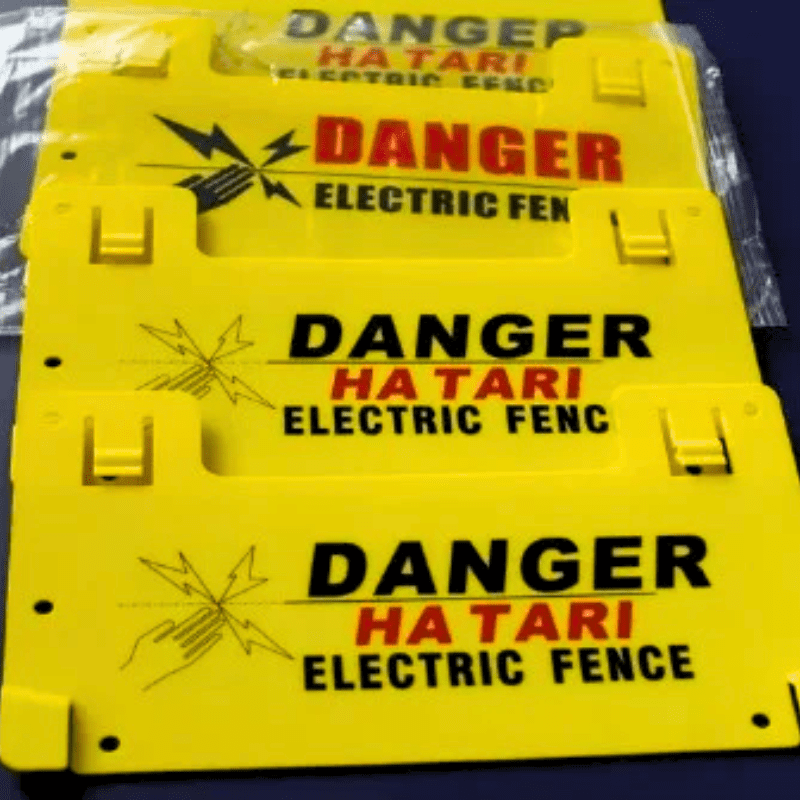
Warning signs must be installed at regular intervals to alert people of the presence of an electric fence. They must be clearly visible.
Residential Electric Fence Regulations
Home installations must meet specific guidelines for safety and compliance.
Height and Boundary Requirements
The fence should be installed within the owner’s boundary. Typical height requirements ensure fences do not endanger neighboring properties.
Approved Installation Materials
Materials must meet KEBS and international standards. Poor-quality wires, posts, or insulators can lead to non-compliance.
Safety Measures for Children and Pets
Installers must ensure the fence does not pose risks to children and pets within the compound.
Commercial and Industrial Electric Fence Regulations
High-Security Installations
Commercial properties require stronger fence structures and additional safety systems.
Mandatory Certifications and Installer Qualifications
Only certified installers are allowed to work on commercial electric fences. These installations must be documented and certified upon completion.
Integration with CCTV and Alarm Systems
Many commercial electric fences must be integrated with monitoring systems for enhanced security and compliance.
Agricultural and Wildlife Electric Fence Regulations
Farm and Livestock Fencing Rules
Farmers must follow guidelines to ensure the fence safely controls livestock without risking public safety.
Wildlife Protection and KWS Guidelines
When installing fences near wildlife areas, approval from Kenya Wildlife Service (KWS) is mandatory.
Environmentally Safe Installation Practices
Installations must avoid environmental degradation and follow eco-friendly methods.
Electric Fence Energizer Compliance Requirements
SABS and IEC Standards
Energizers must meet these international safety standards to prevent dangerous shock levels.
JVA, Stafix, Nemtek Energizer Compliance
Reputable brands comply with required certifications and are widely recommended.
Backup Power and Surge Protection Standards
Regulations require backup systems in areas prone to power outages.
Warning Signs and Public Safety Regulations
Placement and Spacing Rules
Signs must be placed every 10 meters or at every gate, corner, and entry point.
Multilingual Signage Guidelines
In multilingual areas, signs should include English and Kiswahili.
Visibility Requirements for Day and Night
Reflective signs are recommended for night visibility.
Approval and Certification for Installation Companies
NCA Licensing
Installation companies must be NCA-certified for electrical and perimeter fencing works.
Technician Training Requirements
Certified technicians must undergo regular training to maintain compliance.
Compliance Documentation
Installers must provide compliance certificates after installation.
Legal Consequences of Non-Compliance
Penalties and Fines
Non-compliance may lead to fines from regulatory bodies.
Insurance Liability Issues
Insurance companies may refuse claims if the security system was non-compliant.
Property Damage and Injury Claims
Improper installation can lead to lawsuits.
Steps to Ensure Your Electric Fence Is Legal
Pre-Installation Site Assessment
A professional must inspect the site and determine the safest installation approach.
Using Certified Materials and Installers
This ensures legal compliance and long-term performance.
Final Compliance Checks
A final audit guarantees the system meets all legal requirements.
Common Mistakes Homeowners Make
Using Illegal Energizers
Cheap, uncertified energizers pose serious risks.
Poor Earthing Systems
This causes unreliable fence performance.
Incorrect Fence Height or Position
Placing the fence outside your boundary can lead to legal disputes.
Cost Implications of Complying With Regulations
Installation Costs
Certified installations may cost more but offer better safety.
Maintenance and Inspection Costs
Fences must be checked annually to ensure compliance.
Certification Costs
Compliance certificates come at a fee but protect you legally.
Why Hire a Certified Electric Fence Installer
Access to Quality Components
Certified installers use compliant materials.
Adherence to KEBS and NCA Standards
They follow all national guidelines.
Warranty and After-Sales Support
Professional installers provide ongoing support.
Conclusion
Electric fence regulations in Kenya are designed to ensure safety, reliability, and legal protection for property owners. Whether you’re securing a home, business, farm, or wildlife area, following these guidelines is essential. Complying with regulations not only protects your investment but also ensures your fence operates safely and effectively.
FAQs
1. Do I need approval before installing an electric fence?
Yes, especially for commercial or wildlife-sensitive areas.
2. Are all energizers legal in Kenya?
No, only certified energizers that meet KEBS, IEC, or SABS standards are allowed.
3. How often should an electric fence be inspected?
At least once a year or whenever performance issues arise.
4. Can I install an electric fence myself?
It is not recommended. Always use certified installers.
5. What happens if my fence is non-compliant?
You may face fines, liability claims, or insurance rejection.