


1. Introduction
Farming in Kenya faces constant threats — from livestock theft to crop destruction by wildlife. As agricultural productivity grows, so does the need for effective, reliable, and affordable farm security solutions.
One innovation transforming rural and commercial farming is the electric fence. Farmers across Kenya are adopting this modern technology to safeguard livestock, protect crops, and improve overall farm management.
In this article, we explore how Kenyan farmers are using electric fences, their benefits, costs, and practical applications.
For professional electric fence installation and materials, visit www.electricfencs.africa or www.electricfences.co.ke.
2. Why Farmers in Kenya Are Choosing Electric Fences
1. Rising Cases of Livestock Theft
Cattle rustling and farm invasions remain major challenges, especially in regions such as Laikipia, Narok, and Kajiado.
An electric fence provides a strong deterrent — a controlled electric pulse that shocks intruders without causing harm.
2. Wildlife Conflicts
Wild animals like elephants, hyenas, and warthogs cause significant crop and livestock losses near game reserves.
Solar-powered electric fences are now used in areas bordering parks like Tsavo, Maasai Mara, and Aberdares to create safe barriers between humans and wildlife.
3. Cost-Effective Farm Security
Compared to employing guards or rebuilding damaged fences, electric fencing offers long-term affordability, especially when powered by solar energy.
3. How Electric Fences Work on Farms
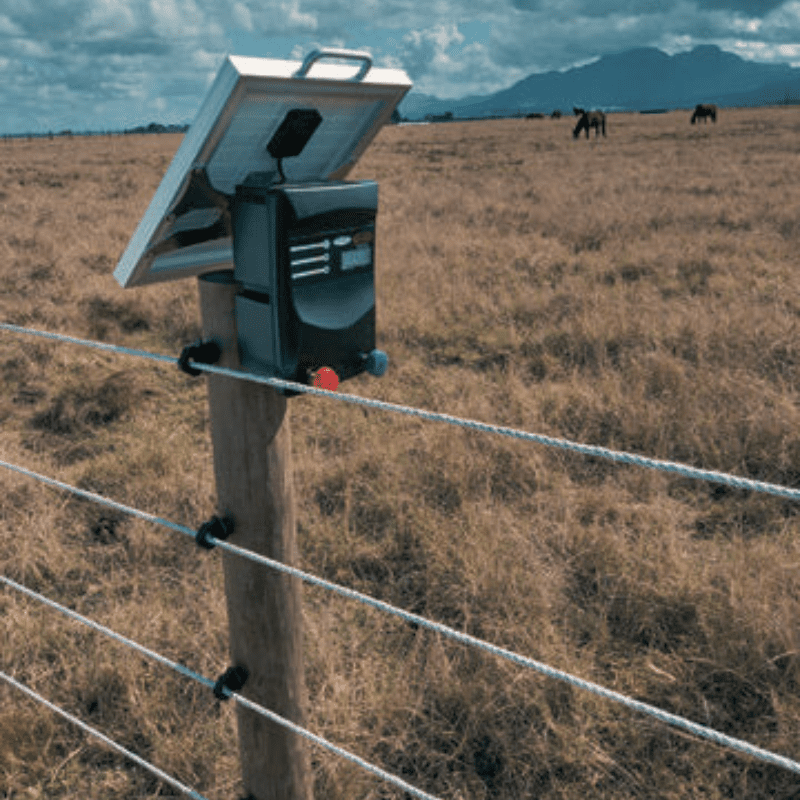
An electric fence system delivers pulses of high-voltage electricity through wires mounted around the perimeter of a farm.
Main Components Include:
- Energizer: Converts power (solar or mains) into electric pulses.
- Insulators: Prevent electrical leakage.
- Wires: Conduct the electric charge.
- Earth system: Completes the electrical circuit.
- Warning signs: Alert people that the fence is live.
When an intruder or animal touches the wire, they receive a short, sharp electric shock — discouraging further contact.
This technology ensures continuous protection with minimal human supervision.
4. Protecting Livestock with Electric Fencing
Electric fencing has become a trusted solution for livestock farmers in Kenya, especially for cattle, goats, and sheep.
Key Benefits:
- Prevents livestock theft by creating an active deterrent.
- Keeps animals safely within designated grazing zones.
- Reduces conflicts between herders and neighbors over boundary trespassing.
- Easy to relocate for rotational grazing systems.
Example:
In Nakuru County, dairy farmers using JVA SV10 solar energizers report zero theft cases since installing electric fences, even in open field setups.
5. Protecting Crops from Wildlife and Trespassers
Kenyan farmers growing maize, vegetables, and fruits often lose harvests to wild animals such as monkeys, warthogs, and elephants.
Electric fences act as a strong, non-lethal deterrent that prevents wildlife intrusion.
In conservation zones like Amboseli and Tsavo, community-based electric fence projects have helped reduce elephant crop raids by over 80%.
Advantages for Crop Protection
- Prevents damage to crops by wild animals.
- Reduces need for night guards.
- Protects irrigation infrastructure and farm boundaries.
- Enhances food security for farming communities.
6. Types of Electric Fences Used by Farmers in Kenya
| Type | Description | Ideal Use |
|---|---|---|
| Permanent Electric Fence | Strong, long-term installation using treated wooden or concrete posts. | Ranches, large farms |
| Portable Electric Fence | Easy to move and set up; powered by solar energizers. | Rotational grazing, small farms |
| Top-Wall Electric Fence | Installed on top of perimeter walls for homestead protection. | Farmhouses, storage buildings |
| Solar Electric Fence | Uses solar panels to power energizers, ideal for off-grid areas. | Remote farms, wildlife barriers |
Farmers in Kenya prefer solar electric fences for their reliability and independence from power grids.
7. Cost of Electric Fences for Farms in Kenya
| Type of Fence | Average Cost (Per Meter) | Remarks |
|---|---|---|
| Livestock Electric Fence | KSh 1,200 – 2,000 | Depends on length and terrain |
| Wildlife Control Fence | KSh 2,000 – 3,500 | Requires heavy-duty materials |
| Portable Fence | KSh 800 – 1,500 | Ideal for temporary setups |
While installation costs may vary, electric fences prove cheaper to maintain than traditional barbed wire or chain link over time.
8. Benefits of Electric Fencing for Kenyan Farmers
- 24/7 Protection: Operates continuously, even during power cuts (with solar).
- Reduced Labor Costs: No need for constant human patrols.
- Low Maintenance: Minimal repair and cleaning required.
- Environmentally Friendly: Causes no harm to animals or the ecosystem.
- Long Lifespan: Durable systems last 10–15 years with proper care.
- Scalable: Suitable for smallholders and large-scale ranches alike.
9. Best Electric Fence Brands in Kenya
Top-performing brands include:
- JVA – Known for affordable and solar-compatible energizers.
- Nemtek – Offers durable, high-voltage energizers and accessories.
- Stafix – Reliable for large ranches and game fencing applications.
You can find these products and installation services at www.electricfencs.africa or www.electricfences.co.ke.
10. Success Stories from Kenyan Farmers
- Laikipia Ranchers report saving millions in livestock losses by using solar-powered perimeter fencing.
- Narok maize farmers have successfully prevented elephant raids with strategically placed fences.
- Kajiado pastoralists now control grazing zones more effectively, improving pasture regeneration.
These success stories show that electric fencing is not just a security tool—it’s a farm productivity enhancer.
11. FAQs About Electric Fencing for Farmers in Kenya
1. Are electric fences safe for animals?
Yes. Electric fences deliver mild, non-lethal shocks that safely deter animals without causing injury.
2. How much power does an electric fence use?
A typical fence uses 2–5 watts, equivalent to a small LED bulb. Solar options eliminate energy bills.
3. Can I install an electric fence myself?
Small portable systems can be DIY, but permanent installations should be done by a certified installer for best results.
4. What’s the lifespan of a solar electric fence?
10–15 years, depending on maintenance and equipment quality.
5. How can I prevent voltage loss?
Use proper grounding, high-quality insulators, and regularly check for vegetation touching the wires.
6. Where can I buy and install electric fences in Kenya?
You can contact professionals via www.electricfencs.africa or www.electricfences.co.ke for expert supply and installation.
12. Conclusion
Electric fences are transforming agriculture in Kenya by providing safe, cost-effective, and sustainable farm security. They not only prevent theft and wildlife damage but also help farmers manage their livestock and crops efficiently.
Whether you’re a smallholder farmer or managing a large ranch, investing in an electric fence system is one of the smartest decisions for long-term protection and productivity.
For professional consultation, installation, and supplies, visit:
🌐 www.electricfencs.africa
🌐 www.electricfences.co.ke