
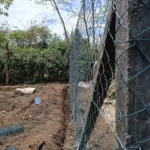
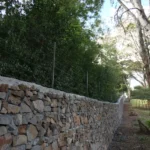

Electric fencing has become one of the most effective perimeter security solutions in Kenya today. Whether you own a home, a business, a school, a godown, a farm, or a gated community, an electric fence adds a powerful first line of defense that deters intruders long before they reach your door.
When planning an installation, one of the most important decisions you’ll make is choosing between a solar-powered electric fence and a mains-powered electric fence. Both power options work extremely well, but each is suited to different environments, budgets, and security needs.
This detailed guide breaks down everything you need to know—costs, reliability, performance, maintenance, and real user experiences—to help you make the best choice for your property.
1. Understanding Electric Fence Power Options in Kenya
Electric fences need a continuous source of power to energize the fence wires. In Kenya, the two most common options are:
1. Solar Powered Electric Fence
- Uses solar panels and a battery to power the energizer.
- Works even in off-grid or unreliable power areas.
- Ideal for rural, peri-urban, and agricultural properties.
2. Mains Powered Electric Fence
- Uses direct electricity from the national grid (Kenya Power).
- Can be supported with a backup battery.
- Ideal for urban homes, commercial buildings, and locations with stable power.
Both options deliver the same shock, but the source of power determines reliability, cost, and long-term performance.
2. Comparing Solar vs Mains Electric Fences in Kenya
Below is a complete comparison covering the most important factors:
A. Reliability
Solar Powered
Solar fences are highly reliable because they do not depend on Kenya Power. Even during blackouts, the fence keeps working because of the battery charged by the sun.
This makes solar fencing the best option for:
- Remote farms
- Rural homes
- Large parcels of land
- Wildlife control fences
- Areas with frequent power cuts
Mains Powered
Mains-powered fences rely on grid electricity. While most systems have a backup battery, long or frequent blackouts can affect performance unless the battery is large enough.
Best for:
- Urban homes with stable power
- Warehouses and offices
- Properties with existing inverter/backup systems
Winner for reliability: Solar fencing
B. Cost of Installation
Solar Powered Fence
Costs more upfront because you must buy:
- Solar panel
- Charge controller
- Battery
However, running costs are zero.
Mains Powered Fence
Costs less to install because it uses your existing mains electricity.
However, you will pay:
- Monthly electricity bills
- Battery replacement after a few years
Winner for upfront affordability: Mains powered
Winner for long-term savings: Solar powered
C. Performance & Power Output
Both systems deliver equal performance if set up correctly.
- Same voltage output
- Same shock strength
- Same ability to deter intruders
The energizer determines performance—not the power source.
Winner: Tie
D. Maintenance Requirements
Solar Powered Fence
Requires:
- Cleaning solar panels occasionally
- Monitoring battery health
Mains Powered Fence
Requires:
- Checking backup battery state
- Ensuring stable power supply
Winner for lower maintenance: Mains powered
Though the difference is minimal.
E. Best Use Cases in Kenya
Solar Powered Fence Ideal For:
- Rural homes
- Farms
- Perimeter fences in Kitengela, Isinya, Kajiado
- Remote sites with no power
- Livestock and wildlife control
- Large-acreage perimeters
Mains Powered Fence Ideal For:
- Residential homes in Nairobi, Nakuru, Mombasa
- Office buildings and warehouses
- Industrial areas
- Estates with backup power
- Commercial properties
3. Factors to Consider When Choosing Your Fence Type
Before deciding, evaluate the following:
1. Power Availability
Do you have reliable electricity? If not, solar is best.
2. Budget
Solar costs more upfront but saves more long-term.
3. Fence Size
Larger properties benefit more from solar systems.
4. Safety and Security Level
If your property cannot afford downtime, choose solar or install a hybrid system.
5. Maintenance Preferences
If you want a plug-and-play option, mains is simpler.
4. What Most Kenyans Prefer – Market Insight
- 70% of rural and farm installations are solar-powered.
- 80% of urban installations (Nairobi, Thika, Kiambu) are mains-powered with battery backup.
- Commercial properties prefer mains due to existing infrastructure.
- Farms and ranches prefer solar due to reliability.
5. Expert Recommendation
Choose Solar If:
You live in a place with unreliable power or a large outdoor property.
Choose Mains If:
You live in an urban area with stable electricity and want a cost-effective setup.
6. Five Detailed Client Testimonials
Homeowner in Kitengela – Solar Fence Upgrade
“I was tired of constant Kenya Power outages that left my fence off most nights. The team installed a solar-powered fence using a JVA Z14 energizer and a 150W solar panel. The system has worked perfectly for 10 months now, even during cloudy days. My voltage never drops below 7kV, and I sleep peacefully knowing my home is protected.”
Services Provided:
Solar fence installation, energizer upgrade, solar panel setup, wall-top fencing.
Poultry Farm in Nakuru – Full Solar System
“Our farm needed a reliable solution for animal security. We chose a solar system powered by a Nemtek Druid 15 energizer and deep-cycle battery. The installation covered over 600 meters of fencing. The birds and equipment are now fully secure, and we no longer worry about power outages.”
Services Provided:
Solar electric fence, farm perimeter fencing, energizer installation.
Warehouse in Nairobi – Mains Powered Electric Fence
“We operate in Industrial Area and required a neat, professional installation that integrates with our CCTV and access control. They installed a mains-powered electric fence with battery backup using a Stafix X2 energizer. The work was clean, secure, and completed within two days.”
Services Provided:
Wall-top electric fence, energizer setup, CCTV integration.
Ranch in Kajiado – Large Solar Perimeter
“I own a 5-acre ranch and needed a dependable security solution. The team installed a solar-powered fence with a JVA SV10 energizer and energizer housing box. Even in the dry season and cloudy weather, the system runs nonstop. Livestock are now completely safe.”
Services Provided:
Large solar fence installation, high-tensile wiring, gate contact integration.
Apartment in Ruiru – Mains Powered System
“Our apartment complex needed improved perimeter security. We installed a mains electric fence with a Nemtek Wizard energizer and backup battery. The installation was neat and very professional. We appreciate the technician’s follow-up visits.”
Services Provided:
Perimeter wall fence, energizer cabinet, siren and alarm connection.
7. Final Verdict: Which Fence Is Best?
There is no one-size-fits-all answer. The best electric fence depends on your location, budget, and security needs. Both solar and mains-powered systems are excellent—the key is choosing the right system for your property.
If you need help deciding, our experts can assess your home, business, or farm and recommend the best fence for your needs.
8. Contact Us for Professional Installation in Kenya
For professional solar or mains-powered electric fence installation in Kenya, contact us:
Call | Text | WhatsApp: +254 740 800099 / 0722 708034
Email: info@electricfences.africa | info@eletricfences.co.ke
We provide installation, repairs, upgrades, maintenance, energizer replacement, and free site assessments.