


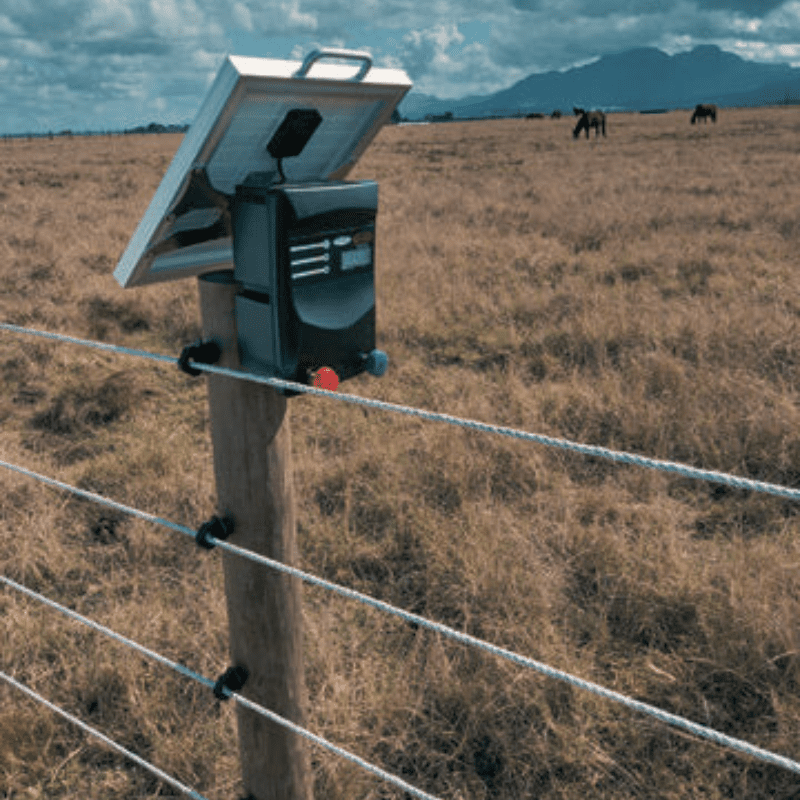
Strip grazing is one of the most efficient ways to manage pasture and livestock movement. It allows farmers to control how much grass animals can access at a time, ensuring uniform grazing, faster pasture recovery, and better feed utilization. When combined with an electric fence, strip grazing becomes incredibly easy, efficient, and affordable — especially for Kenyan farmers managing dairy cows, beef cattle, sheep, or goats.
1. What Is Strip Grazing?
Strip grazing is a pasture management technique where livestock are given access to small sections (“strips”) of a grazing area at a time. The rest of the field is left to regrow before the animals return. This system helps prevent overgrazing and allows for more consistent grass growth throughout the grazing season.
To make strip grazing practical and effective, temporary electric fencing is used to divide pastures quickly and safely. The electric fence acts as a psychological barrier, keeping animals within a designated section.
Call | Text | WhatsApp: +254 740 800099 / 0720 456534
Email: info@electricfences.africa
Website: www.electricfences.co.ke / www.electricfences.africa

2. Why Use an Electric Fence for Strip Grazing?
Electric fences are ideal for strip grazing because they are portable, affordable, and quick to set up. Instead of building permanent barriers, farmers can easily move the fence line to open up new grazing strips as needed.
Key Advantages:
- Efficient pasture use: Prevents animals from trampling or wasting grass.
- Better livestock control: Easy to move animals without stress.
- Cost-effective: Reduces fencing costs compared to permanent systems.
- Improved grass regrowth: Encourages even grazing and faster regrowth.
Call | Text | WhatsApp: +254 740 800099 / 0720 456534
Email: info@electricfences.africa
Website: www.electricfences.co.ke / www.electricfences.africa
3. Essential Components for Strip Grazing Electric Fence Setup
To set up an efficient strip grazing electric fence, you’ll need a few key components:
a) Portable Energizer
A portable energizer such as the JVA SV5 or JVA SV10 is perfect for mobile fencing setups. These solar-powered units provide enough power to energize multiple temporary fence lines in the field.
b) Polytape or Polywire
These are lightweight electric conductors made from woven plastic and metal strands. Polytape is more visible, making it ideal for cattle, while polywire works well for sheep or goats.
c) Step-in or Pigtail Posts
Used to hold the polytape or polywire in place, these posts are easy to move and install without tools. The pigtail post design is popular among Kenyan farmers due to its durability and ease of use.
d) Reel System
Reels help wind, unwind, and store the polywire or tape neatly. They make moving fences between strips quick and organized.
Call | Text | WhatsApp: +254 740 800099 / 0720 456534
Email: info@electricfences.africa
Website: www.electricfences.co.ke / www.electricfences.africa
4. How to Set Up a Strip Grazing Electric Fence
Setting up a strip grazing system with electric fencing is straightforward. Here’s how to do it:
Step 1: Plan Your Paddocks
Divide your grazing area into several sections based on herd size, pasture type, and regrowth rate. Each strip should provide enough feed for 1–3 days.
Step 2: Install the Fence Line
Place the step-in posts at regular intervals (8–12 meters apart) and connect the polytape or polywire through the insulators. Ensure the line is tight and visible.
Step 3: Connect to the Energizer
Attach the wire to your portable energizer. If using a solar unit, position the panel in direct sunlight and ensure the energizer is properly earthed.
Step 4: Test the Fence Voltage
Use a digital fence tester to confirm the fence voltage is between 5,000V–8,000V, enough to keep animals contained safely.
Step 5: Move Regularly
Once the animals finish grazing one strip, move the posts and wire to the next section. This rotation maintains grass quality and ensures sustainable grazing.
Call | Text | WhatsApp: +254 740 800099 / 0720 456534
Email: info@electricfences.africa
Website: www.electricfences.co.ke / www.electricfences.africa
5. Tips for Effective Strip Grazing in Kenya
- Use solar-powered energizers for reliability in remote areas.
- Always ensure good earthing for consistent fence voltage.
- Use two-wire systems for cattle and three-wire systems for goats or sheep.
- Move animals before they overgraze to maintain pasture recovery.
- Carry a portable fault finder to check voltage along the line.
6. Maintenance and Safety Tips
Check the fence regularly for vegetation touching the wire, as it can reduce voltage. Inspect connections, insulators, and energizer terminals for wear or corrosion. Always switch off the energizer before moving wires or posts.
Safety is key—electric fences are not dangerous, but they must be installed correctly. Keep energizers away from children and water sources, and follow the manufacturer’s safety guidelines.
7. Benefits of Strip Grazing Electric Fences in Kenya
- Boosts pasture efficiency – Grass grows more evenly and recovers faster.
- Improves animal nutrition – Livestock get access to fresh, high-quality forage daily.
- Reduces feed costs – Better pasture use means less need for purchased feeds.
- Increases milk and meat production – Healthier animals perform better.
- Saves time – Easy to move, clean, and maintain.
Call | Text | WhatsApp: +254 740 800099 / 0720 456534
Email: info@electricfences.africa
Website: www.electricfences.co.ke / www.electricfences.africa
8. Conclusion
A well-planned strip grazing electric fence setup is one of the smartest investments a farmer can make. It helps maximize land use, improve pasture health, and boost livestock productivity. With portable energizers like the JVA range, step-in posts, and polywire, you can easily set up and move fences across your farm with minimal effort.
Whether you manage dairy cows, beef cattle, or small livestock, electric fencing for strip grazing ensures control, efficiency, and sustainability all year round.
Call | Text | WhatsApp: +254 740 800099 / 0720 456534
Email: info@electricfences.africa
Website: www.electricfences.co.ke / www.electricfences.africa
FAQs
1. How long should each strip last for grazing?
Typically, one strip should last 1–3 days depending on the number of animals and pasture density.
2. Can I use solar power for strip grazing fences?
Yes! Solar-powered energizers like the JVA SV5 are perfect for mobile or remote setups.
3. What type of posts are best for strip grazing?
Pigtail or step-in posts are ideal because they’re lightweight and easy to move.
4. How do I know if my fence is working properly?
Use a digital tester to check the voltage. Anything above 5,000V is suitable for most livestock.
5. Where can I buy complete strip grazing fence kits in Kenya?
Contact Electric Fences Kenya for professional advice, installation, and supply of all electric fence components.