
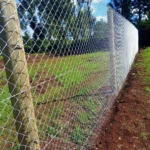


Electric fences are one of the most effective security systems in Kenya today. They protect homes, businesses, schools, farms, apartments, godowns and large properties by deterring intruders before they attempt entry. However, just like any security system, electric fences can experience issues—from weather changes to vegetation growth—that cause the Electric Fence Alarm to ring repeatedly, often at inconvenient hours.
If your electric fence alarm keeps going off, don’t panic. This blog explains every possible cause, what you can check, and when to call a technician. All explanations are simple, clear and beginner-friendly.
1. How Electric Fence Alarms Work
Your electric fence has an energizer, which sends pulses of high voltage through the fence wires.
The energizer constantly monitors the fence. If anything affects the flow of electricity, it triggers the alarm.
This can happen due to:
- Low voltage
- Short circuits
- Breaks in the wire
- Something touching the fence
Understanding this makes it easier to solve the problem.
2. Most Common Reasons Your Electric Fence Alarm Is Ringing
Below are the top causes in Kenya and what you can do to fix each one.
2.1 Something Is Touching the Fence
This is the number one cause of false alarms.
Common culprits include:
- Tree branches bending over the wires
- Overgrown grass touching the lower lines
- Plastic bags or clothing blown by the wind
- Iron sheets leaning against the wall
- Animals pushing the fence
When something touches the live wire, electricity leaks. The energizer detects this and rings the alarm.
What to do:
Walk along the fence and look for anything touching the wires. Remove grass, branches and foreign objects. Trim vegetation regularly, especially during the rainy season.
2.2 Loose, Broken or Sagging Wires
A sagging or broken wire changes voltage levels and triggers the alarm.
This usually happens because of:
- Weather conditions (rain, wind, sun)
- Old or rusted wires
- Weak joints
- Vehicles or animals interfering with the fence
What to do:
Check for:
- Loose wires
- Broken joints
- Low-tension lines
- Wire touching another wire
Tighten or replace wires where needed.
2.3 Cracked or Worn-Out Insulators
Insulators prevent electric wires from touching the fence posts.
Over time, they can:
- Crack
- Melt in strong sunlight
- Break during windy weather
- Accumulate dust and moisture
Damaged insulators cause electricity to leak, leading to alarm ringing.
What to do:
Inspect the insulators one by one. Replace any that are cracked, broken or worn out.
2.4 Wet Conditions or Rainy Season Problems
Water is a conductor of electricity. During rainy seasons, your fence becomes more sensitive.
Alarm ringing during rain may be caused by:
- Wet grass touching the wire
- Soaked wooden posts
- Wet debris stuck on wires
- Water leaking into joints
- Moisture on old insulators
What to do:
- Keep vegetation trimmed
- Replace insulators showing moisture damage
- Check wires after every heavy rain
This is one of the most common rainy-season issues in Kenya.
2.5 Faulty Gate Contact
The gate contact is the part that transfers electricity across your gate.
Over time it can:
- Rust
- Get dirty
- Come out of alignment
- Stop completing the circuit properly
When this happens, the energizer senses a fault and rings the alarm.
What to do:
- Clean the gate contact
- Align it properly
- Replace if damaged or worn out
2.6 Low Voltage Output from the Energizer
If the energizer pushes out weak voltage, the system triggers an alarm.
Causes include:
- Low or dead battery
- Loose power cables
- Weak energizer
- Faulty adapter
- Incorrect earthing
What to do:
Check:
- The backup battery
- Energizer display voltage
- Power connections
If the energizer shows unusually low voltage (below 4kV), it needs servicing.
2.7 Short Circuit on the Fence
A short circuit happens when electricity connects directly to the ground or returns improperly.
Causes include:
- Wire touching a metal post
- Poor joints
- Loose connections
- Broken insulators
- Rodents chewing the wire insulation
What to do:
Walk along the fence slowly and check for:
- Wire touching metal
- Loose knots
- Any place the wire is touching posts
Fix the problem area and test the system again.
2.8 Faulty Energizer or Alarm System
Sometimes the energizer itself has an internal fault.
This can happen if:
- The energizer is old
- It has a blown component
- There was a power surge
- Moisture entered the housing
- It has overheating issues
What to do:
If the alarm persists even after checking the fence, the energizer needs professional evaluation.
2.9 Unstable Power Supply
For mains-powered electric fences, power fluctuations and blackouts cause unstable voltage, resulting in alarm triggers.
If your area has:
- Frequent blackouts
- Low voltage supply
- Unstable electricity
The energizer might beep or alarm.
What to do:
Ensure:
- Backup battery is healthy
- Energizer is stable
- Power supply cables are firm
Consider a solar-powered system if blackouts are frequent.
2.10 Animal Interference
Animals can easily trigger an alarm:
- Cats walking on the wall
- Birds landing on the wire
- Monkeys pulling the wires
- Livestock rubbing against the fence
What to do:
Check for signs of animals and reinforce vulnerable sections.
3. How to Quickly Diagnose the Problem Yourself
Here’s a simple step-by-step checklist any homeowner can follow:
- Walk along the fence slowly
Check for anything touching the wires. - Inspect all insulators
Replace cracked, melted or old ones. - Test the voltage using a fence tester
Normal voltage should be 5kV to 9kV. - Check gate contacts
Ensure they touch properly and are not rusty. - Look for broken joints or loose wires
Tighten everything. - Check the energizer display
If voltage is low, the problem may be inside the energizer. - Check your power source
Ensure mains or battery power is stable.
If the alarm still rings, call a qualified technician.
4. Preventing Future False Alarms
You can prevent 80% of electric fence problems by following simple maintenance tips:
- Trim grass weekly
- Cut tree branches near the fence
- Replace old insulators every 1–2 years
- Protect the energizer from moisture
- Service the fence every 3–6 months
- Check gate contacts often
- Keep the energizer housing locked
A well-maintained fence rarely gives false alarms.
5. When to Call a Professional Technician
Call a technician if:
- You have checked the fence but the alarm continues
- The energizer shows abnormal readings
- Voltage keeps dropping
- You suspect wiring faults
- You hear frequent beeping sounds
- You just experienced a heavy storm
Professional servicing helps keep your fence strong, reliable and safe.
6. Get Professional Electric Fence Repair in Kenya
If your electric fence alarm is ringing and you want fast, reliable assistance, we are here to help.
We offer:
- Fault finding
- Energizer repair
- Alarm system repair
- Voltage troubleshooting
- Insulator replacement
- Gate contact replacement
- Full system servicing
- Emergency response
Call | Text | WhatsApp:
+254 740 800099 / 0722 708034
Email:
info@electricfences.africa
info@eletricfences.co.ke
We serve homes, estates, apartments, schools, industries, godowns, farms and ranches across Kenya.