

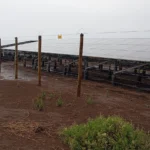

Protect your home, business, or farm with reliable and affordable electric fencing solutions built for Kenya’s terrain and security needs. Our electric fences provide strong, round-the-clock protection using powerful energizers, durable materials, and professional workmanship—giving you peace of mind every day.
Whether you want a residential wall-top electric fence or a high-security commercial system, we are here to design, supply, and install a solution that truly keeps intruders away.
1. What is an electric fence?
An electric fence is a barrier that uses electric pulses to scare away intruders without causing serious harm.
2. How does an electric fence work?
It sends short, sharp pulses of electricity through wires. Anyone touching the wire feels a strong shock and backs away.
3. Is an electric fence safe?
Yes. It delivers a painful shock, but not one that is meant to injure or kill.
4. Can an electric fence hurt children or pets?
They will feel a strong shock, but it won’t cause lasting harm. Most stay away after the first touch.
5. Do I need a wall before installing an electric fence?
No. Electric fences can be mounted on walls, metal poles, wooden posts, or even around open farmland.
6. How much does an electric fence cost in Kenya?
Prices vary from KES 65,000 to 300,000+ depending on the size of your property and materials used.
7. What factors affect the price?
Fence length, type of posts, energizer size, number of wire lines, labour cost, and site condition.
8. How long does installation take?
Most homes take 1–2 days. Larger properties take 3–7 days.
9. Can I install an electric fence myself?
It’s possible, but not recommended. Professional installers ensure safety and correct voltage.
10. Do electric fences work during blackouts?
Yes. Many systems have backup batteries to keep the fence running during power cuts.
11. How long does the backup battery last?
Between 8–24 hours, depending on the system.
12. Does an electric fence use a lot of electricity?
No. It consumes very little power—similar to a small bulb.
13. Can I put an electric fence on a rental house?
Yes, with the landlord’s permission.
14. What is an energizer?
It’s the main machine that powers the electric fence.
15. Which energizer brands are best for Kenya?
JVA, Nemtek, Stafix, and Gallagher are the most trusted.
16. How do I choose the right energizer?
Choose based on fence length and your security level. Installers can help advise.
17. How many wire lines do I need?
Most homes use 6–12 lines. High-security sites use more.
18. Is razor wire necessary?
It’s optional, but many people combine razor wire with electric fencing for added security.
19. Does an electric fence stop thieves?
Yes. The strong shock and loud alarm act as a serious deterrent.
20. Can the fence alarm alert my phone?
Yes. Some energizers send SMS alerts when the fence is touched or cut.
21. Is it legal to install an electric fence in Kenya?
Yes, as long as you follow safety rules and install warning signs.
22. Do I need permission from the county government?
Usually no, but gated communities or apartments may require approval.
23. How loud is the alarm?
The alarm is loud enough to alert neighbours and scare intruders.
24. Can electric fences start a fire?
No. The pulses are too short to create heat or fire.
25. How long does an electric fence last?
With proper care, 10 years or longer.
26. Do electric fences require maintenance?
Yes. Basic checks every few months keep the system strong.
27. What should I check during maintenance?
Loose wires, broken insulators, low battery, vegetation touching the wire, and energizer readings.
28. Do plants affect electric fences?
Yes. Overgrown plants touching the wires can reduce voltage.
29. Can rain damage the fence?
No. Electric fences are designed to work in all weather conditions.
30. Can the fence shock someone standing on the ground?
Yes. Touching the wires while standing on the ground will give a shock.
31. What happens if a wire breaks?
The alarm will sound and voltage will drop.
32. Does the fence work with metal roofs nearby?
Yes, there is no problem.
33. Can animals pass under or over the fence?
Not if installed correctly with enough wire lines.
34. Can monkeys get past an electric fence?
Most monkeys avoid it after touching it once.
35. Can the fence be installed on uneven ground?
Yes. Installers adjust the height of posts to fit the terrain.
36. Is the electric fence weatherproof?
Yes. All outdoor components are made to withstand sun and rain.
37. Can the fence be switched off at night?
Yes, but it’s safer to keep it on 24/7.
38. Does the fence affect Wi-Fi or electronics?
No. It does not interfere with electronic devices.
39. Does the fence interfere with radios?
No. It operates on a separate system.
40. Can I control the fence remotely?
Yes. Some systems offer remote apps and SMS control.
41. Will my fence hurt my neighbours?
No, unless they intentionally touch the wires.
42. Do I need warning signs?
Yes. Signs are required for safety and legal reasons.
43. How far apart are warning signs placed?
Usually every 10–15 meters.
44. Can someone climb through the wires?
No. The wires are closely spaced and deliver shocks.
45. Will the electric fence work at night?
Yes. It works day and night with the same strength.
46. Can thieves cut the wire?
They can try, but the alarm will immediately sound.
47. Can an intruder cover the fence with a blanket?
This is difficult because the alarm will trigger if wires are touched or shorted.
48. What should I do if the alarm keeps beeping?
Check for loose wires, plants touching the wires, or a low battery.
49. Why is the voltage low?
Causes include vegetation, loose connections, damaged wires, or low battery.
50. How do I know if the fence is strong?
Installers provide a voltage tester that shows the fence strength.
51. Can the fence shock someone twice?
Yes. It pulses continuously.
52. Will the fence harm someone with a heart condition?
Electric fences are designed to be non-lethal, but caution is advised.
53. Can the fence shock through clothing?
Yes, but the shock is stronger with direct skin contact.
54. Can the fence run on solar power?
Yes. Solar-powered systems are very common in Kenya.
55. How long does a solar-powered fence last?
As long as the battery is charged, it runs normally.
56. Can I use both solar and electricity?
Yes. Many systems are hybrid.
57. What happens when it rains heavily?
Nothing. The fence works normally.
58. Can lightning strike the fence?
It’s possible, but systems include lightning protection.
59. Is it expensive to maintain an electric fence?
No. Maintenance costs are low.
60. How often should I service my fence?
Every 3–6 months.
61. Can electric fences work on farms?
Yes. They protect livestock and keep animals out.
62. Will it stop wild animals?
Yes. Most animals retreat after one shock.
63. Can I install the fence on a gate?
Yes, using gate loops designed for electric fencing.
64. What if the power cable to the energizer is cut?
The alarm will sound if wired correctly.
65. Does the fence need earthing?
Yes. Proper grounding ensures strong shocks.
66. What are insulators?
They are plastic parts that prevent the electric wire from touching the posts.
67. What happens if an insulator breaks?
Voltage drops and the alarm may sound.
68. How often should I replace the battery?
Every 2–4 years, depending on use.
69. What type of battery is used?
Most systems use a 12V rechargeable battery.
70. Can the fence be hacked?
No. It’s a physical security system, not digital.
71. Can thieves use rubber gloves to avoid shocks?
They may try, but touching wires still often triggers the alarm.
72. Should I turn the fence off during repairs?
Yes. Always switch it off before touching the wires.
73. Can the fence harm birds?
Most birds avoid it or only touch lightly without harm.
74. Can I install the fence indoors?
Electric fences are designed for outdoor use.
75. Can I add CCTV to the electric fence?
Yes. Many people combine both systems.
76. Can I add a siren or strobe light?
Yes. These increase security.
77. Can I connect the fence to my alarm system?
Yes. Many systems integrate with home alarms.
78. What causes false alarms?
Wind, loose wires, plants, animals, or low battery.
79. Can the fence be silent?
Yes. You can disable the alarm, but it’s not recommended.
80. Should I switch the fence off when leaving home?
No. Keep it on for maximum protection.
81. Can the fence shock during installation?
Not if turned off. Installers take safety steps.
82. Why does my fence spark?
Light sparking is normal, but big sparks mean a problem.
83. What height should the fence be?
Usually 1–1.5 meters above the wall.
84. Can I choose the fence colour?
Most wires are silver, but posts can be customized.
85. Can the fence run without an alarm?
Yes, but it reduces security.
86. Does the fence need a dedicated power line?
It’s recommended but not required.
87. Can the fence be installed on a metal gate?
Yes, using insulated gate brackets.
88. Can the fence run on a generator?
Yes, but a stabilizer is recommended.
89. Does the fence attract lightning?
No more than any metal object outdoors.
90. Can I use thicker wires for better results?
Yes. Heavier wires are stronger and last longer.
91. Will the fence reduce break-ins?
Yes. Electric fencing is one of the strongest deterrents.
92. Can the fence work with smart home systems?
Some energizers support smart integration.
93. How do I stop animals chewing the wires?
The shock naturally teaches them to stay away.
94. Can I upgrade my old electric fence?
Yes. You can add new energizers, wires, or posts.
95. Does the fence need special insurance?
No, but some insurance companies give discounts.
96. Can electric fences be customized?
Yes. Height, number of wires, and power levels can be adjusted.
97. What happens if the fence touches metal?
It may trigger the alarm or reduce voltage.
98. Can installers hide the wiring?
Yes. Power cables can be concealed for neatness.
99. How do I know the fence is switched on?
Look for the blinking light on the energizer or use a tester.
100. Who can I call for installation or repairs?
A certified electric fence installer in Kenya can handle installation, servicing, upgrades, and repairs.