

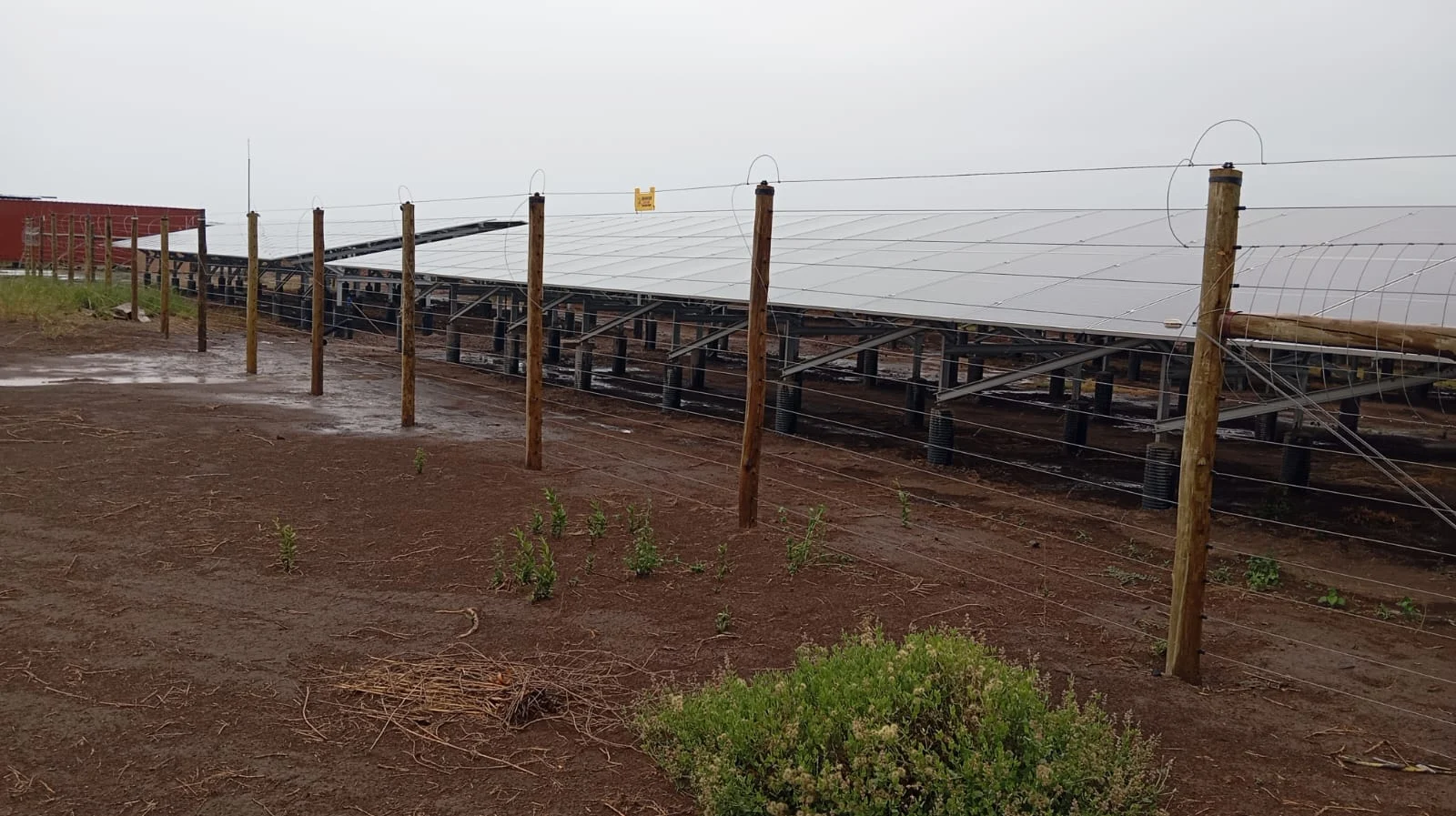
Critical infrastructure includes:
- Power substations and transmission stations
- Water treatment plants and reservoirs
- Telecommunications towers
- Data centers
- Oil and gas facilities
- Government installations
- Industrial plants and warehouses
- Transport yards and logistics depots
These facilities require uninterrupted protection, strong deterrence, and long-term durability.
1. Conduct a Professional Security Risk Assessment
Before installation, carry out a detailed perimeter assessment:
- Identify vulnerable access points
- Evaluate fence line length and terrain
- Assess soil type for proper earthing
- Analyze security risk level
- Determine power availability (solar or grid)
A professional assessment ensures the electric fence system is properly engineered for maximum performance.
2. Install a High-Security Electric Fence System
For critical infrastructure, industrial-grade systems are recommended.
Multi-Strand High-Tensile Wires
- 8–21 strands depending on security level
- Galvanized high-tensile wire
- Tight spacing to prevent climbing
Heavy-Duty Steel Posts
- Galvanized steel posts anchored in concrete
- Reinforced corner and strain posts
- Anti-cut and anti-climb configuration
High-Output Industrial Energizer
- Correct joule rating for long perimeters
- Consistent high-voltage pulse delivery
- Weather-protected housing
A strong, visible electric fence creates both psychological and physical deterrence.
3. Use Solar Powered Electric Fencing for Reliability
Power interruptions should never compromise infrastructure security. Solar-powered electric fencing provides:
- Continuous operation during blackouts
- Energy independence in remote areas
- Reduced electricity costs
- Long-term reliability
Solar panels charge deep-cycle batteries during the day, ensuring 24/7 perimeter protection.
4. Design a Strong Earthing System
Earthing directly affects fence effectiveness.
For critical infrastructure:
- Install multiple galvanized earth rods
- Ensure deep penetration into the ground
- Place rods in moist soil areas
- Test fence voltage regularly
Proper earthing guarantees a powerful and effective deterrent shock.
5. Integrate with Advanced Security Systems
Electric fencing works best as part of a layered security system.
Recommended integrations include:
- CCTV surveillance
- Alarm monitoring systems
- Anti-cut detection technology
- Access control systems
- Motion sensors
If tampering occurs, alerts can be triggered instantly for rapid response.
6. Maintain a Clear Perimeter Zone
For consistent voltage performance:
- Clear vegetation along fence lines
- Maintain a buffer zone
- Prevent contact between wires and objects
- Conduct routine inspections
Regular maintenance ensures long-term reliability.
7. Schedule Routine Monitoring and Maintenance
Ongoing maintenance should include:
- Voltage testing
- Wire tension checks
- Solar panel cleaning
- Battery health inspection
- Structural integrity checks
Monitoring systems can track fence performance in real time and detect faults immediately.
Benefits of Electric Fencing for Infrastructure Security
- Strong visible deterrent
- Safe but powerful shock system
- Reduced vandalism and theft
- Lower long-term operational costs
- Scalable for large facilities
- Suitable for urban and remote locations
Electric fencing provides constant perimeter control without relying solely on manpower.
Secure Your Infrastructure with Professional Installation
Protecting critical infrastructure is a serious responsibility. A properly designed and professionally installed electric fence system ensures long-term security, reliability, and performance.
For expert supply and installation of high-security and solar powered electric fencing systems across Kenya, contact us today.
Electric Fences Africa
Website: https://www.electricfences.africa
Email: info@electricfences.africa
Phone: +254 722 708034
Location: Nairobi, Kenya
Service Coverage: Nationwide
Contact us for a professional site assessment and customized infrastructure security solution tailored to your facility.