

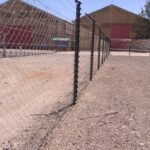

Agricultural electric fencing is designed to protect crops, livestock, and farm boundaries using short, safe, high-voltage pulses that deter animals and intruders. It’s widely used in Kenya on dairy farms, ranches, horticultural farms, poultry farms, large plantations, and wildlife-adjacent farms.
Unlike physical barriers, electric fences leverage a psychological effect: one shock teaches animals to avoid the boundary permanently, ensuring long-term protection with minimal physical pressure on the fence.
Looking for Agricultural Electric Fence Installers? Call:
+254 740 800099 / 0722 708034
Why Electric Fencing is Essential for Farms in Kenya
Kenya’s agricultural regions face a variety of challenges:
- Livestock theft
- Wildlife invasions from elephants, hyenas, buffalos, warthogs, and baboons
- Free-ranging livestock destroying crops
- Escaping domestic animals
- Need for controlled rotational grazing
- Large farm boundaries requiring cost-effective solutions
Electric fencing offers a simple, modern way to manage these issues. Farmers benefit from better yield protection, reduced labour costs, and improved livestock safety.
How Electric Fencing Works
Electric fences are powered by an energizer (mains or solar). The energizer sends pulses of high-voltage electricity through the fence wires every second. When an animal or human touches the wire and completes the circuit, they feel a sharp but harmless shock.
This creates a psychological barrier, making animals respect the boundary without causing injury.
Get High-Quality Electric Fence Equipment Delivered Nationwide:
+254 740 800099 / 0722 708034
Types of Agricultural Electric Fences in Kenya
1. Permanent Livestock Electric Fences
Ideal for:
- Dairy farms
- Ranches
- Beef cattle farms
- Goat and sheep farms
Permanent fences use high-tensile wires, strong corner posts, and powerful energizers like Stafix, JVA, or Cyclops.
2. Wildlife Control Electric Fences
Designed for farms near:
- Tsavo
- Narok
- Laikipia
- Naivasha
- Amboseli
- Nyeri forest zones
These fences protect crops from:
- Elephants
- Buffalos
- Baboons
- Hyenas
- Warthogs
Special insulators, heavy-gauge wires, and powerful energizers (like JVA Z-series) are used.
3. Temporary/Portable Electric Fences
Used for:
- Cattle strip grazing
- Pasture management
- Rotational grazing systems
- Temporary paddocks
They use poliwire, politape, plastic posts, and portable energizers like JVA SV5 or SV10.
4. Solar-Powered Agricultural Electric Fences
Perfect for remote areas without mains electricity.
Key advantages:
- Independent power
- Low running costs
- Works even in remote grazing fields
5. Crop Protection Electric Fences
Highly effective for:
- Maize farms
- Vegetable farms
- Fruit orchards
- Sugarcane plantations
They prevent crop damage during night hours when wildlife is most active.
Free Farm Assessment Available – Call/WhatsApp:
+254 740 800099 / 0722 708034
Electric Fence Components Explained
A complete agricultural electric fence includes:
- Energizer (mains or solar)
- High-tensile wire or poliwire
- Strainers
- Corner posts
- Intermediate posts
- Insulators (ring, nail-on, offset)
- Earth rods
- Lightning diverter
- Fence testers
- Warning signs
Each component plays a vital role in ensuring performance, durability, and safety.
Advantages of Agricultural Electric Fencing Over Traditional Fencing
Electric fencing outperforms barbed wire, chain-link, hedging, and other physical barriers. Here’s why:
1. More Cost-Effective
You can fence 1 acre with a fraction of the cost of chain link or masonry walling.
2. Greater Security
Electric shocks deter both wildlife and human intruders.
3. Easy to Install & Expand
Farmers can easily extend or modify the fence as the land changes.
4. Minimal Maintenance
Reduces labour costs significantly compared to hiring guards or repairing barbed wire fences.
5. Humane Animal Control
Animals learn quickly without injury, stress, or entanglement.
6. Excellent for Wildlife Conflict Areas
Electric fences reduce crop destruction by over 85% in high-risk zones.
7. Best for Rotational Grazing
Portable systems help control pasture efficiently, improving livestock health and productivity.
We Supply & Install All Types of Agricultural Electric Fences:
+254 740 800099 / 0722 708034
Agricultural Electric Fencing for Different Animals
Different animals require different fence configurations:
1. Cattle Fencing
- 2–3 wire system
- High-tensile or poliwire
- Easy to train cows
2. Goat & Sheep Fencing
- 3–5 wire system
- Closer spacing
- Higher voltage for wool-coated animals
3. Poultry Fencing
- Netting or lightweight portable fences
4. Horses
- Wide politape for visibility
5. Wildlife Control
- Heavy-duty wires
- Strong posts
- High-output energizers (10kV+)
Wildlife Management Using Electric Fencing
In Kenya’s wildlife corridors (like Narok, Taveta, Laikipia, Nanyuki, Amboseli), electric fences protect farms from:
- Elephants
- Buffalos
- Warthogs
- Hyenas
- Baboons
Benefits include:
- Reduced crop destruction
- Better sleep and security at night
- Increased harvest yields
- Safer livestock environments
Cost of Agricultural Electric Fencing in Kenya
Prices vary depending on:
- Type of fence
- Length of boundary
- Type of posts
- Energizer model
- Terrain
- Wildlife activity
Average cost range: KSh 180,000 – KSh 550,000 per acre
Wildlife fences can be higher due to stronger materials.
Maintenance Tips for Long-Lasting Fencing
- Keep vegetation trimmed
- Regularly test voltage
- Tighten wires
- Check insulators for cracks
- Ensure energizer is properly earthed
- Monitor battery levels in solar systems
Signs Your Fence Needs Repair
- Low voltage readings
- Broken insulators
- Loose wires
- Battery not charging
- Shorts caused by vegetation
- Animal activity marks
Client Testimonials
1. James – Dairy Farmer, Kiambu
“Our cows no longer wander into neighbours’ farms. Best investment I’ve made for my dairy unit.”
2. Esther – Maize Farmer, Narok
“Before installing the wildlife fence, elephants destroyed nearly half my crop. Now I harvest peacefully.”
3. Muriuki – Ranch Owner, Laikipia
“The electric fence works perfectly for cattle control and deterring predators. Highly recommend.”
4. Peter – Horticulture Farmer, Nyeri
“Fast installation, professional team, and reliable products. My profits increased after reducing crop losses.”
5. Frida – Poultry Farmer, Nakuru
“The portable electric fence keeps predators away. No more night losses.”
Why Choose Us for Agricultural Electric Fencing in Kenya?
- Over 10 years’ experience
- High-quality imported materials
- Certified technicians
- Wildlife-grade fencing available
- Solar and mains energizers
- Fast installation anywhere in Kenya
- Affordable prices
- Free site assessment
Conclusion
Agricultural electric fencing is one of the most powerful tools Kenyan farmers can use to protect their investment, livestock, and crops. It’s affordable, durable, effective, and works in both small-scale and large-scale farms. Whether you’re dealing with livestock control, wildlife intrusion, or crop security, electric fencing gives you peace of mind and long-term productivity.
If you’re ready to secure your farm, we’re here to help you with professional installation, high-quality materials, and expert advice.
FAQs
1. How much does agricultural electric fencing cost in Kenya?
Between KSh 180,000 – 550,000 per acre depending on materials and location.
2. Is an electric fence safe for livestock?
Yes. It delivers short, safe pulses that train animals without harming them.
3. Can electric fences work without electricity?
Yes. Using solar-powered energizers.
4. How long does an electric fence last?
10–20 years with proper maintenance.
5. Do you offer nationwide installation?
Yes, we install electric fences anywhere in Kenya.