


Kenya’s demand for reliable security and livestock management systems has steadily increased over the past decade, driven by urban growth, expanding agriculture, and heightened awareness about property protection. Among the most effective and affordable solutions available today is the electric fence — a modern, efficient, and versatile tool that offers both security and peace of mind for homeowners, farmers, and businesses alike.
An electric fence is not just a physical barrier; it’s a psychological deterrent. Its power lies in its ability to deliver a short, sharp, but safe electric pulse to anyone or anything that comes into contact with it. This immediate feedback conditions intruders, whether human or animal, to avoid crossing the boundary again. For Kenyan farmers and property owners, it means reduced theft, controlled grazing, and minimized human–wildlife conflict.
Over the years, electric fencing in Kenya has evolved from simple manual systems to smart, solar-powered, and remotely monitored setups. Today, Kenyan suppliers and installers offer advanced energizers, high-quality posts, durable wires, and accessories suited for different terrains and security needs. Whether protecting a residential compound in Nairobi, a tea farm in Kericho, or a wildlife conservancy in Laikipia, electric fences have become the go-to solution for sustainable and effective perimeter security.
Moreover, Kenya’s unique geographical and environmental diversity makes electric fences especially practical. In arid and semi-arid areas, where vegetation is sparse and maintenance is challenging, solar-powered energizers keep fences functional without dependency on the grid. In lush agricultural zones, multi-line electric fencing systems effectively keep livestock within grazing areas and wild animals like elephants and hyenas out.
Electric fences are also highly customizable. Homeowners can install sleek top-wall fences for urban security, while ranchers and conservationists can build high-tensile perimeter fences extending over kilometers. Portable systems, on the other hand, allow dairy farmers and pastoralists to easily rotate grazing areas without building permanent barriers.
As the Kenyan government continues to support renewable energy and local manufacturing, the availability of electric fencing components has improved dramatically. Brands like Nemtek, JVA, Stafix, and Gallagher are now household names in the fencing industry, offering solutions for every scale and budget. Many companies also provide after-sales services, training, and maintenance — ensuring that even first-time users can operate and manage their systems confidently.
This book, “Electric Fences in Kenya: The Complete Guide to Security, Livestock Protection, and Smart Fencing Solutions,” aims to be your ultimate resource for understanding, selecting, installing, and maintaining electric fences in Kenya. Whether you are a homeowner, farmer, security professional, or wildlife manager, this guide will help you make informed decisions that enhance safety, efficiency, and cost-effectiveness.
Each chapter dives deep into a specific aspect of electric fencing — from understanding how electric pulses work to comparing energizer types, exploring installation best practices, and evaluating solar-powered innovations. We will also discuss Kenya-specific challenges such as power fluctuations, weather considerations, and local legal requirements to help you design systems that last.
By the end of this book, you will have the knowledge to:
- Choose the right electric fence system for your needs.
- Understand the technical aspects of energizers, insulators, and conductors.
- Install and maintain your fence with minimal external help.
- Comply with Kenyan safety standards and electrical codes.
- Explore new technologies such as smart and solar-integrated systems.
Electric fencing is more than just a barrier — it is a statement of preparedness, sustainability, and innovation. Let’s explore how this powerful technology continues to reshape security and agricultural management across Kenya.
Chapter 1: Introduction to Electric Fencing in Kenya
Electric fencing has transformed the way Kenyans secure their homes, farms, and institutions. From small-scale homesteads to large wildlife conservancies, these systems are offering a cost-effective, efficient, and environmentally friendly solution to one of Kenya’s most pressing challenges — perimeter security.
1.1 The Need for Security and Livestock Protection in Kenya
Kenya’s population growth, urbanization, and rural-urban migration have placed increasing pressure on property security and agricultural productivity. Crime, livestock theft, and wildlife encroachment remain significant issues in many regions. Traditional fences — such as barbed wire, chain-link, or stone walls — often fail to deter determined intruders or animals due to their passive nature. Electric fences, on the other hand, introduce an active deterrent that uses electricity to enforce boundaries.
Electric fencing serves two main purposes in Kenya:
- Security Fencing: Used around residential, commercial, and institutional properties to deter human intrusion.
- Agricultural Fencing: Used to protect crops and livestock by managing animal movement and preventing wildlife conflicts.
1.2 Growth of Electric Fencing in Kenya
In the early 2000s, electric fencing was considered a premium solution, accessible mainly to high-end properties. However, with the entry of local distributors and solar-powered solutions, the market has become more inclusive. Companies like Electric Fences Kenya Ltd, ElectricFences.co.ke, and ElectricFences.Africa have popularized high-quality yet affordable fencing systems for farmers and property owners across the country.
Government and NGO-led wildlife management projects have also increased adoption in regions bordering national parks and reserves. For instance, elephant deterrent fences are now common in Tsavo, Laikipia, and Narok, significantly reducing human-wildlife conflict incidents.
1.3 How Electric Fencing Works
An electric fence delivers a short-duration, high-voltage pulse through its conductors (wires or poliwires). When an animal or intruder touches the wire, it completes an electrical circuit between the live wire and the ground. The resulting shock is non-lethal but unpleasant enough to discourage further contact.
The main component behind this system is the energizer, which converts low-voltage input power into high-voltage pulses. Depending on the setup, the energizer can be mains-powered, battery-powered, or solar-powered.
1.4 Advantages of Electric Fences
Electric fences offer several advantages over conventional barriers:
- Cost-Effective: Requires fewer materials and less labor than stone or chain-link fences.
- Highly Effective: The shock provides a strong psychological deterrent.
- Flexible and Scalable: Easy to extend, modify, or relocate.
- Low Maintenance: Only requires periodic voltage checks and vegetation management.
- Energy Efficient: Solar systems make rural installations sustainable.
1.5 Kenyan Use Cases
- Residential Security: Common in urban estates such as Karen, Runda, and Lavington.
- Farm Fencing: Used by dairy farmers in Kiambu and crop farmers in Nakuru to protect produce.
- Wildlife Management: Utilized by conservancies to protect endangered species.
- Institutional Security: Schools, hospitals, and factories now use electric fences for perimeter control.
1.6 Challenges Facing Electric Fencing in Kenya
Despite its benefits, electric fencing faces challenges such as:
- Vandalism and Theft: Energizer units and batteries can be stolen if not secured.
- Poor Installation Practices: Non-certified installers can cause short circuits or power losses.
- Power Outages: In grid-tied systems, blackouts can temporarily disable the fence.
- Vegetation Contact: Grass or trees touching the live wire can drain power.
Fortunately, many of these challenges can be addressed through proper design, quality materials, and professional installation — topics we’ll cover in later chapters.
1.7 Future Outlook
With the continued growth of Kenya’s agricultural sector and infrastructure development, electric fencing is expected to expand further into both urban and rural markets. The integration of IoT-enabled smart energizers, remote monitoring apps, and solar power is paving the way for a new era of intelligent perimeter management.
Electric fences are no longer a luxury — they are a necessity for anyone serious about security and efficiency in Kenya.
Chapter 2: How Electric Fences Work — The Science Behind the Shock
Electric fencing may look simple — just a few wires strung around a property — but behind its design lies precise science and intelligent engineering. Understanding how electric fences work helps you make the right decisions when choosing components, troubleshooting issues, or upgrading your system. In this chapter, we explore the principles of electric current, voltage, grounding, and the shock mechanism that make these fences both powerful and safe.
2.1 The Basic Principle of Electric Fencing
An electric fence operates on a straightforward electrical concept: it delivers a short, sharp electric pulse whenever an animal or person touches the live wire. This pulse is generated by a device known as an energizer (or power unit). The energizer converts low-voltage input power—either from mains electricity, a solar panel, or a battery—into high-voltage pulses, usually between 5,000 and 12,000 volts.
When a person or animal touches the live wire while standing on the ground (or touching a grounded wire), electricity flows through their body to the earth, completing the circuit. This contact delivers a short but memorable electric shock, lasting less than a thousandth of a second. It’s designed to startle, not harm.
For quality, high-voltage energizers tested for Kenyan conditions, explore the range available at:
Electric Fence Energizers in Kenya
2.2 The Role of Voltage, Amperage, and Pulse Duration
Electric fences work through voltage and amperage balance. The voltage determines how strong the shock feels, while amperage (current strength) determines how dangerous it could be. Electric fences use very low amperage, typically under 0.002 amps, making them safe for humans and animals.
The energizer sends pulses about once every second. Each pulse lasts only a few milliseconds—enough to deliver a warning but not enough to cause burns or injury. This is why electric fences are approved worldwide for livestock containment and property security.
Different animals require different shock strengths:
- Cattle and horses: 2,000–4,000 volts
- Goats and sheep: 4,000–6,000 volts
- Wildlife or intruder deterrence: 7,000–12,000 volts
Choosing the right energizer ensures consistent voltage even in wet or weedy conditions. See recommendations at:
JVA, Nemtek & Stafix Energizers Kenya Collection
Call/Text/WhatsApp: 0722 708034 / 0720 456534
Visit: www.electricfences.co.ke / www.electricfences.africa
2.3 The Energizer: Heart of the Electric Fence
The energizer (or charger) is the most critical part of any electric fence. It controls the voltage, pulse rate, and energy output across the wires. Kenyan users can choose from three main types of energizers:
- Mains-Powered Energizers: Plug directly into household power, suitable for urban properties.
- Battery-Powered Energizers: Ideal for remote farms or backup systems.
- Solar-Powered Energizers: Sustainable and popular in off-grid regions such as Narok, Laikipia, and Kajiado.
A good energizer must be properly grounded to work efficiently. The earth stake system (usually galvanized rods driven into moist soil) ensures smooth current return to the energizer. Without proper grounding, even the most powerful energizer will deliver a weak shock.
For top-performing energizers such as the Nemtek Druid 15 LCD or JVA SV10 Solar Model, visit:
Energizers for Farms & Security Fences in Kenya
2.4 The Live Wire and Return Path
Every electric fence consists of live wires (carrying high-voltage pulses) and earth or ground return wires (connected to the energizer’s negative terminal). When a person or animal touches the live wire, the current flows through them to the ground, then back to the energizer via the earth rods — completing the circuit.
This circuit completion is what creates the electric shock effect. The shock itself depends on several factors:
- Soil moisture (better conductivity in damp soil)
- Quality of grounding system
- Wire type and condition
- Contact area between the intruder and the fence
In dry or sandy areas, a two-wire system (one live, one earth) is recommended for better shock consistency. These designs are common in Northern Kenya and parts of Machakos County, where rainfall is limited.
To explore quality galvanized or stainless-steel wires for long-lasting conductivity, visit:
Electric Fence Wires & Conductors Kenya
Call/Text/WhatsApp: 0722 708034 / 0720 456534
www.electricfences.co.ke / www.electricfences.africa
2.5 The Grounding (Earthing) System
Many electric fence problems in Kenya arise from poor grounding. Grounding provides the return path for electric current back to the energizer. Without effective earthing, even a high-voltage energizer won’t deliver a strong shock.
A standard grounding setup includes:
- At least three galvanized earth rods, spaced about 3 meters apart.
- Earth rods connected with high-tensile insulated wire.
- Moist soil (avoid dry sandy areas for rods if possible).
- Proper connection between energizer and earth system using corrosion-resistant clamps.
In wet conditions, the current flow improves dramatically. In dry seasons, regularly water the earth rods to maintain performance. For large farms or high-security installations, up to six rods may be required to ensure consistency.
You can read more about proper earthing techniques and accessories here:
Electric Fence Earthing Kits and Accessories
2.6 Energy Efficiency and Power Consumption
Contrary to popular belief, electric fences consume very little power. Most energizers use less energy than a light bulb. A typical 12V battery-powered energizer can run for several days on one charge, while solar systems recharge automatically through photovoltaic panels.
For Kenyan homeowners dealing with frequent power outages, combining a solar panel, charge controller, and deep-cycle battery is a smart investment. These systems ensure uninterrupted operation and reduced monthly electricity costs.
At www.electricfences.co.ke, you can find solar-ready energizers and complete fence kits designed for both security and agricultural fencing.
Call/Text/WhatsApp: 0722 708034 / 0720 456534
Visit: www.electricfences.co.ke / www.electricfences.africa
2.7 Safety Mechanisms and Standards
Electric fences in Kenya are designed under strict international safety standards. The IEC 60335-2-76 standard governs the maximum voltage and energy output to ensure human and animal safety. Properly installed systems are safe for children, pets, and livestock.
Key safety measures include:
- Pulse duration under 10 milliseconds.
- Warning signs placed every 10–20 meters along public sections.
- Isolation from water pipes, telephone lines, and electrical cables.
- Installation by certified technicians.
For safety-certified electric fencing services, contact Kenya’s trusted experts at:
Professional Electric Fence Installation Kenya
2.8 Summary: Understanding the Science Behind the Shock
At its core, an electric fence works by applying physics and smart engineering to create a deterrent system that’s safe, efficient, and cost-effective. Voltage provides the “shock factor,” grounding completes the circuit, and the energizer controls the rhythm and strength of each pulse. Together, they create a dynamic system capable of deterring intruders and managing livestock effectively.

The simplicity of the concept hides a world of advanced design, quality materials, and expert installation — the true foundation of reliable fencing.
Call/Text/WhatsApp: 0722 708034 / 0720 456534
Visit: www.electricfences.co.ke / www.electricfences.africa
Chapter 3: Types of Electric Fences Used in Kenya
Electric fences in Kenya come in many designs, each suited for specific needs—ranging from urban home security to large-scale livestock management and wildlife control. The right type of fence depends on your location, purpose, budget, and terrain. In this chapter, we’ll explore the main categories of electric fences used across the country, their applications, and how to choose the ideal one for your property.
3.1 Residential & Commercial Top Wall Electric Fences
Top wall electric fences are the most common in Kenya’s urban and peri-urban areas. These fences are mounted on top of existing perimeter walls or gates, creating an additional electrified barrier that prevents intrusion.
The system consists of 6 to 12 lines of electrified wire, supported by insulated posts or brackets fixed on the wall. The live wires carry high-voltage pulses from the energizer, delivering a shock strong enough to deter potential intruders.
These systems are widely used in residential estates, schools, factories, and warehouses, offering both visible deterrence and actual security. When connected to alarm systems, the fence can trigger sirens or send alerts to your phone or security provider when tampered with.
For reliable top wall systems and brackets, visit:
Top Wall Electric Fences Kenya – Products & Installation
3.2 Free-Standing Perimeter Electric Fences
A free-standing electric fence stands independently without relying on an existing wall or structure. It’s a complete barrier built using posts (metal, treated wood, or concrete), insulators, and multiple lines of wire.
These fences are ideal for large properties, farms, conservancies, and ranches, where perimeter coverage is needed across open land. The wires are usually strung between strong corner and line posts, with earth return systems to ensure consistent voltage even in dry conditions.
Free-standing systems can be single-strand, multi-strand, or high-tensile, depending on the level of security required. They can also be combined with barbed wire or mesh for extra protection.
For commercial-grade installations, check:
Free-Standing Electric Fences in Kenya
Call/Text/WhatsApp: 0722 708034 / 0720 456534
Visit: www.electricfences.co.ke / www.electricfences.africa
3.3 Agricultural and Livestock Electric Fences
Kenya’s agricultural sector relies heavily on electric fencing to control livestock movement and protect crops. Farmers use electric fences to prevent cattle, goats, or sheep from straying into roads or neighboring farms, and to keep out wild animals like elephants and hyenas.
Livestock electric fences can be temporary, semi-permanent, or permanent, depending on the type of animals and grazing patterns. They typically use high-tensile wires, poliwires, or politapes supported by strong corner and intermediate posts.
These fences are essential for rotational grazing, helping maintain healthy pastures and reduce overgrazing. They also minimize labor costs by eliminating the need for herders or physical guards.
For durable farm fencing kits, check:
Electric Fencing for Farms and Livestock in Kenya
3.4 Portable Electric Fences (Mobile Systems)
Portable electric fences are a modern solution designed for flexibility and ease of relocation. They are ideal for small-scale farmers, dairy farms, paddocks, and temporary enclosures. The system typically includes plastic tread-in posts, lightweight poliwire or politape, and a portable energizer such as the JVA SV5 or SV10.
These fences are easy to assemble, disassemble, and move to new locations, making them perfect for farmers practicing rotational grazing or field management. They can be powered by rechargeable batteries or solar panels, ensuring mobility and energy independence.
Common applications include livestock control, horse paddocks, and temporary boundaries during farm construction or maintenance.
For complete portable fencing kits and energizers, visit:
Portable Electric Fence Solutions in Kenya
Call/Text/WhatsApp: 0722 708034 / 0720 456534
Visit: www.electricfences.co.ke / www.electricfences.africa
3.5 Wildlife Control and Game Electric Fences
Kenya’s wildlife conservancies and national parks increasingly rely on electric fences for conservation management. These fences serve to reduce human–wildlife conflict, especially in regions bordering protected areas such as Tsavo, Amboseli, and Maasai Mara.
Wildlife control fences are engineered to be strong, tall, and multi-strand, using heavy-duty insulators and reinforced posts. The voltage output is typically between 8,000 and 12,000 volts, enough to repel large animals like elephants, lions, and buffaloes.
They are commonly powered by solar energizers, ensuring reliability even in remote, off-grid areas. Many of these systems also include monitoring sensors that send alerts when lines are broken or tampered with.
For conservation-grade solutions, visit:
Wildlife and Game Electric Fences Kenya
3.6 Industrial and Institutional Electric Fences
Institutions such as schools, factories, and hospitals in Kenya require advanced security solutions that integrate with alarm systems, CCTV, and access control. Industrial electric fences are typically high-voltage, mains-powered systems designed for continuous operation.
These fences may feature anti-tamper alarms, electric fence energizer LCD displays, and GSM connectivity for remote alerts. The robust design makes them ideal for properties requiring 24/7 monitoring and intrusion prevention.
For large-scale installations, professional consultation is recommended to design the correct voltage configuration and circuit layout.
Get professional help here:
Commercial & Institutional Electric Fence Installation Kenya
Call/Text/WhatsApp: 0722 708034 / 0720 456534
Visit: www.electricfences.co.ke / www.electricfences.africa
3.7 Temporary Construction and Event Fences
For construction sites, events, and short-term projects, temporary electric fences provide quick and effective security. They use lightweight posts, portable energizers, and reel-based wire systems that can be set up and removed in a matter of hours.
These fences deter trespassers, protect equipment, and control access to restricted areas. Because they’re mobile, they can be reused at multiple sites, making them a cost-effective security investment for contractors and event organizers.
Find construction and event fencing solutions here:
Temporary and Mobile Electric Fences Kenya
3.8 Hybrid Electric Fencing Systems
Some property owners in Kenya now prefer hybrid fencing systems—combining electric wires with chain-link, razor wire, or CCTV surveillance. These integrated setups offer maximum deterrence and allow multi-layered protection.
Hybrid systems can be used for embassies, banks, private institutions, and gated communities, offering both visible and electronic defense. They often connect directly to GSM or Wi-Fi-enabled smart energizers, allowing real-time fence status updates on your phone.
See integrated smart fencing systems at:
Smart and Hybrid Electric Fencing in Kenya
Call/Text/WhatsApp: 0722 708034 / 0720 456534
Visit: www.electricfences.co.ke / www.electricfences.africa
3.9 Summary
Electric fences in Kenya are as diverse as the country’s geography and industries. From urban homes to wildlife conservancies, portable grazing systems to industrial installations, there’s a solution for every need and environment.
Choosing the right type ensures optimal performance, safety, and cost-effectiveness. When combined with professional installation, proper grounding, and regular maintenance, your electric fence will deliver years of reliable protection.
Chapter 4: Key Components of an Electric Fence System
An electric fence system is only as good as the quality and compatibility of its components. Every part, from the energizer to the insulators, plays a critical role in ensuring consistent voltage, durability, and safety. In Kenya, understanding these components helps property owners, farmers, and installers choose the right materials for local conditions, ensuring the fence performs effectively and lasts for years.
This chapter breaks down the main components of an electric fence system, their functions, and how they work together to create a reliable and efficient security or livestock management solution.
4.1 The Energizer – The Power Source of the System
The energizer, also known as the electric fence charger, is the heart of every electric fencing system. It converts input power (from mains electricity, a battery, or solar energy) into high-voltage pulses that travel along the fence wires. These pulses are responsible for delivering the electric shock when contact is made with the fence.
There are three main types of energizers used in Kenya:
- Mains-powered energizers – Ideal for urban and peri-urban homes with stable electricity supply.
- Battery-powered energizers – Used in remote areas or as backup in case of power outages.
- Solar-powered energizers – Perfect for off-grid farms, ranches, and wildlife areas where sunlight is abundant.
A good energizer should be powerful enough to maintain voltage throughout the fence length, even under vegetation load or moisture. For professional-grade energizers from leading brands such as Nemtek, JVA, and Stafix, visit www.electricfences.co.ke or www.electricfences.africa.
4.2 Conductors – Wires, Politapes, and Poliropes
Conductors are the wires or tapes that carry the electric pulse around the fence. The type of conductor used depends on the purpose of the fence and the kind of animals or intruders it is designed to deter.
Common types of conductors used in Kenya include:
- High-tensile galvanized wire: Long-lasting and suitable for permanent fences around farms or large properties.
- Stainless steel wire: Offers excellent conductivity and corrosion resistance, ideal for humid or coastal regions.
- Poliwire: A blend of plastic and stainless-steel strands, used in portable and semi-permanent fences.
- Politape and poliropes: Wide, visible conductors that are perfect for horse paddocks or areas needing visual deterrence.
For premium electric fence wires, visit the product section at www.electricfences.co.ke for detailed specifications and pricing.
Call/Text/WhatsApp: 0722 708034 / 0720 456534
Visit: www.electricfences.co.ke / www.electricfences.africa
4.3 Fence Posts and Brackets
Fence posts form the structural backbone of the electric fence. They support the conductors and maintain proper wire tension. The type of post chosen depends on whether the fence is mounted on a wall, free-standing, or portable.
Common post materials used in Kenya include:
- Treated wooden posts: Affordable and widely available, often used in agricultural fencing.
- Steel or metal posts: Extremely durable, suitable for security and top-wall fences.
- Concrete posts: Strong and long-lasting, ideal for permanent installations.
- Plastic and fiberglass posts: Common in portable electric fences due to their lightweight and corrosion-resistant design.
Brackets are used to mount electric fences on existing walls or gates, particularly for urban installations.
You can find a range of fence posts and brackets for all applications on www.electricfences.africa.
4.4 Insulators – Preventing Power Loss
Insulators play a vital role in ensuring that electricity flows efficiently through the fence wires. They prevent the electric current from leaking into the fence posts or the ground. Made from durable, UV-resistant materials like polyethylene or porcelain, insulators ensure that every volt of electricity is delivered where it’s needed.
There are various types of insulators for different post and wire setups:
- Strain insulators: Used on corner or end posts to hold high-tensile wires under tension.
- Claw or nail-on insulators: Commonly nailed or screwed into wooden posts.
- Screw-on insulators: Designed for steel or metal posts.
- Offset insulators: Used in top-wall fences to extend the wire away from the wall.
For reliable and UV-protected insulators for Kenya’s climate, explore the selection at www.electricfences.co.ke.
4.5 Earth System (Grounding Components)
The earth or grounding system completes the electric fence circuit. When an intruder or animal touches the live wire, the current flows through their body to the ground and returns to the energizer through the earth rods. A properly installed grounding system ensures consistent and powerful shocks across the fence.
A typical grounding setup in Kenya includes:
- Three or more galvanized earth rods driven at least 1.5 meters into the ground.
- Earth rods connected using insulated galvanized wire.
- Placement of rods at least three meters apart for effective conductivity.
- Moist soil or occasional watering around the rods during dry seasons to improve performance.
Without a solid grounding system, even a high-powered energizer will fail to deliver a strong deterrent. For complete earthing kits and accessories, visit www.electricfences.africa.
Call/Text/WhatsApp: 0722 708034 / 0720 456534
Visit: www.electricfences.co.ke / www.electricfences.africa
4.6 Electric Fence Warning Signs
Electric fences in Kenya are legally required to have visible warning signs placed along the fence, particularly where the fence borders public areas. These signs notify people that the fence is electrified and should not be touched.
Each sign should be bright (typically yellow with black lightning symbols) and placed every 10–20 meters, as well as near gates and access points. The signs improve safety and help ensure compliance with Kenya’s electric fencing standards.
Warning signs are inexpensive but essential. You can order compliant, durable signage from www.electricfences.co.ke.
4.7 Fence Tester and Fault Finder Tools
A fence tester is a diagnostic tool that measures voltage and detects faults along the fence line. Every electric fence owner should have one, as it allows quick identification of issues such as shorts, poor grounding, or vegetation contact.
Advanced testers, known as fault finders, display voltage readings and show the direction of the fault, saving time during maintenance. These tools are crucial for maintaining a fence’s efficiency, especially in large installations.
Browse quality fence testers and fault finders available in Kenya at www.electricfences.africa.
Call/Text/WhatsApp: 0722 708034 / 0720 456534
Visit: www.electricfences.co.ke / www.electricfences.africa
4.8 Connectors, Tensioners, and Accessories
Connectors and tensioners are small but crucial parts of an electric fence. They ensure continuous electrical flow, proper wire tension, and structural strength. Poor-quality connectors can lead to voltage drops, while loose wires can break or lose contact during wind or animal pressure.
Important accessories include:
- Wire joiners: Maintain continuous conductivity between wire segments.
- Tension springs and strainers: Keep wires taut and prevent sagging.
- Gate handles: Provide safe entry points through the fence.
- Lightning diverters: Protect the energizer from power surges caused by lightning.
High-quality accessories designed for the Kenyan climate are available on www.electricfences.co.ke.
4.9 Solar Panels and Batteries
Solar panels and deep-cycle batteries are essential for solar-powered electric fence systems, especially in rural Kenya where grid electricity may be unreliable or unavailable. The solar panel charges the battery during the day, which then powers the energizer continuously, even at night.
A typical setup includes:
- A solar panel (200–300W depending on the fence size)
- A charge controller to regulate charging
- A 12V deep-cycle battery for energy storage
Solar systems are cost-effective, environmentally friendly, and ideal for farms, conservancies, and ranches across Kenya. Explore solar fencing kits at www.electricfences.africa.
Call/Text/WhatsApp: 0722 708034 / 0720 456534
Visit: www.electricfences.co.ke / www.electricfences.africa
4.10 Summary
Each component of an electric fence serves a specific function that contributes to the system’s overall reliability and performance. A weak link in any part—whether it’s a faulty insulator, poor grounding, or low-quality wire—can compromise the entire setup. For this reason, it’s important to invest in high-quality materials and professional installation services.
By using the right components and maintaining them regularly, you can ensure your electric fence in Kenya provides long-term, effective protection for your property, livestock, or institution.
Chapter 5: Electric Fence Energizers – Powering Your Protection
The electric fence energizer is the most critical component in any electric fencing system. It acts as the heart of the system, generating and sending controlled electric pulses along the fence line. When an animal or intruder touches the fence, the energizer ensures a sharp but safe shock that deters contact and prevents breaches.
In Kenya, the performance of your fence depends heavily on the quality and type of energizer you use. Choosing the right energizer ensures consistent voltage across your fence, minimal power loss, and optimal safety for humans and animals alike.
5.1 How Electric Fence Energizers Work
An electric fence energizer converts input power—either from mains electricity, a battery, or solar energy—into short, high-voltage pulses. These pulses are transmitted along the live wires at intervals of about one pulse per second.
When an intruder, person, or animal touches the wire, they complete the circuit between the live wire and the ground, receiving a non-lethal but startling electric shock. The shock’s intensity depends on the energizer’s joule rating, fence design, and grounding efficiency.
In Kenya, energizers must be designed to handle the region’s varying conditions, including high vegetation loads, long fence lines, and fluctuating power supply.
For certified energizers and installation support, visit www.electricfences.co.ke or www.electricfences.africa.
5.2 Types of Electric Fence Energizers in Kenya
Different environments and applications require specific types of energizers. In Kenya, three main categories are widely used:
- Mains-Powered Energizers
These energizers are plugged directly into a power outlet and are ideal for areas with a reliable electricity supply. They are powerful, consistent, and suitable for permanent installations such as residential compounds and commercial premises. - Battery-Powered Energizers
Perfect for locations with unstable electricity or where portability is needed. They are often used on farms or in temporary setups, with a rechargeable 12V battery providing backup power. - Solar-Powered Energizers
The most sustainable and cost-effective option for rural Kenya. These systems use solar panels to charge batteries that power the energizer, making them ideal for remote farms, ranches, and wildlife conservancies.
Each energizer type is designed to meet specific fencing needs, from small domestic perimeters to expansive multi-kilometer livestock enclosures.
Call/Text/WhatsApp: 0722 708034 / 0720 456534
Visit: www.electricfences.co.ke / www.electricfences.africa
5.3 Key Features to Consider When Choosing an Energizer
Before purchasing an energizer, consider the following critical factors to ensure it matches your fencing requirements:
- Joule Output (Power Rating): Determines how strong the pulse is and how far it can travel along the fence. Small farms may need 1–3 joules, while large properties may require up to 20 joules or more.
- Fence Length Compatibility: Check the maximum fence length the energizer can power. Always choose a model rated for slightly longer than your actual fence.
- Power Source: Decide between mains, battery, or solar based on your location and power reliability.
- Intelligent Monitoring Features: Modern smart energizers allow for remote monitoring, voltage alerts, and app-based control.
- Safety Certification: Always choose energizers compliant with international and Kenyan safety standards to prevent overvoltage or malfunction.
You can view and compare certified energizers for different applications on Electric Fences Kenya’s Energizer Shop.
5.4 Top Electric Fence Energizer Brands in Kenya
Kenya’s electric fencing market features a variety of reputable energizer brands that cater to residential, commercial, and agricultural fencing needs. Below are some of the leading models trusted by installers and property owners across the country:
- Nemtek Druid Energizers
Nemtek offers robust, user-friendly energizers such as the Druid 13, Druid 18LCD, and Druid 20, ideal for both small and large fences. These models feature LCD displays, lightning protection, and advanced monitoring. - JVA SV Series Energizers
The JVA SV5 and JVA SV10 are solar-compatible energizers popular among Kenyan farmers. They are portable, efficient, and ideal for temporary or mobile electric fences. - Stafix 46000W Mains Energizer
One of the most powerful energizers in East Africa, designed for large farms, conservancies, and high-security areas. It provides reliable voltage even under heavy vegetation. - Spark X Smart Energizer
A new-generation energizer with Wi-Fi and GSM connectivity, allowing users to control and monitor fences remotely via a mobile app.
For detailed product specifications and current prices, visit www.electricfences.africa/energizers.
Call/Text/WhatsApp: 0722 708034 / 0720 456534
Visit: www.electricfences.co.ke / www.electricfences.africa
5.5 Energizer Installation Guidelines
Installing an energizer correctly ensures efficient power distribution and safety. Whether for a top-wall security fence or a farm enclosure, always follow these key guidelines:
- Mount the energizer indoors or in a weatherproof enclosure. Protect it from direct sunlight and rain.
- Ensure proper grounding. Use at least three galvanized earth rods spaced three meters apart.
- Use heavy-duty insulated cables. These should connect the energizer’s live and earth terminals to the fence and ground rods, respectively.
- Install surge and lightning protection. This prevents damage from electrical storms, especially in high-rainfall areas.
- Test voltage regularly. Use a reliable fence tester or fault finder to verify output levels along the fence.
Professional installation is always recommended. For expert support or energizer setup across Kenya, contact Electric Fences Kenya through www.electricfences.co.ke/contact.
5.6 Maintaining Your Electric Fence Energizer
Maintenance ensures consistent fence performance and long energizer life. Here are essential care practices:
- Regularly check voltage levels using a digital fence tester.
- Keep the energizer terminals clean and dry to prevent corrosion.
- Inspect cables for wear, rodent bites, or UV damage.
- For solar systems, clean the panels monthly and check battery voltage regularly.
- Replace any damaged fuses, surge protectors, or power cables promptly.
Routine maintenance prevents costly breakdowns and ensures uninterrupted protection for your property or livestock.
Call/Text/WhatsApp: 0722 708034 / 0720 456534
Visit: www.electricfences.co.ke / www.electricfences.africa
5.7 Common Energizer Problems and Troubleshooting
Like any electronic system, energizers may occasionally experience performance issues. Common symptoms include low voltage, intermittent pulses, or no output at all. Below are typical causes and solutions:
| Problem | Possible Cause | Suggested Solution |
|---|---|---|
| Low voltage | Poor grounding | Add more earth rods or moisten the soil |
| No pulse | Blown fuse or faulty energizer | Replace fuse or consult technician |
| Voltage fluctuation | Vegetation or shorts along fence | Clear vegetation and inspect insulators |
| Energizer not powering on | Battery drained / AC fault | Recharge or replace power source |
| Weak shock | Long fence with low-joule energizer | Upgrade to higher joule model |
If issues persist, professional servicing is recommended. You can request on-site diagnostics through www.electricfences.africa.
5.8 Advantages of Using Quality Energizers in Kenya
Investing in a reliable energizer comes with numerous long-term benefits:
- Consistent security performance, day and night.
- Lower maintenance costs due to efficient power management.
- Increased safety with certified pulse control and surge protection.
- Enhanced convenience, especially with smart, app-enabled energizers.
- Adaptability for both permanent and portable fencing solutions.
Choosing a high-quality energizer ensures your electric fence system works effectively across Kenya’s varying terrain and weather conditions.
5.9 Summary
The energizer is truly the engine of your electric fence. Its power, reliability, and configuration determine the fence’s overall performance and effectiveness. Whether you are protecting a home in Nairobi, livestock in Eldoret, or wildlife in Laikipia, the right energizer makes all the difference.
When in doubt, consult a professional installer for sizing, placement, and grounding guidance.
Explore Kenya’s largest range of electric fence energizers and accessories at www.electricfences.co.ke and www.electricfences.africa.
Call/Text/WhatsApp: 0722 708034 / 0720 456534
Email: info@electricfences.co.ke
Chapter 6: Electric Fence Posts and Supports – Building a Strong Foundation
A strong electric fence begins with strong posts. These posts form the backbone and structure that hold the conductors (wires, politapes, or poliropes) in position and maintain wire tension. The type, spacing, and installation of posts determine the durability and overall effectiveness of your electric fence.
In Kenya, environmental factors such as soil type, weather, terrain, and livestock size heavily influence which post materials to use. Whether you’re setting up a permanent farm fence, a top-wall security fence, or a portable fence, choosing the right post ensures your investment lasts for many years with minimal maintenance.
6.1 The Role of Fence Posts in Electric Fencing
Fence posts serve multiple purposes in an electric fencing system:
- Provide structural support for the wires and insulators.
- Maintain consistent tension along the entire fence line.
- Define boundaries and keep the wires properly spaced.
- Hold insulators that prevent current leakage.
- Absorb physical pressure from animals, wind, or intruders.
Poorly chosen or improperly installed posts can cause sagging, voltage drops, or total system failure. Therefore, every installation in Kenya — whether for livestock, wildlife, or property protection — should begin with careful post selection.
For professional-grade posts and brackets in Kenya, visit www.electricfences.co.ke or www.electricfences.africa.
6.2 Types of Electric Fence Posts Used in Kenya
Different materials are used for electric fence posts depending on the application and environment. Let’s explore the main types found across Kenya:
1. Treated Wooden Posts
These are the most common type in Kenya, particularly for agricultural and livestock fences. Wooden posts are affordable, easy to source, and simple to install. Pressure-treated eucalyptus or cypress posts resist rot and insect damage, extending their lifespan to 10–15 years.
Advantages:
- Readily available across Kenya
- Cost-effective for large fencing projects
- Ideal for hilly and uneven terrain
Disadvantages:
- Can rot if untreated or poorly installed
- Require regular inspection and replacement
You can explore treated wooden post options at www.electricfences.co.ke.
2. Steel or Metal Posts
Steel posts are highly durable and suitable for both top-wall and free-standing security fences. They come in different profiles such as round, square, or T-section posts. Powder-coated or galvanized steel resists rust and can last decades when properly maintained.
Advantages:
- Strong and long-lasting
- Ideal for security fences and high-tension applications
- Suitable for concrete or masonry wall mounting
Disadvantages:
- Heavier and more expensive than wood
- Conductive — must always be used with quality insulators
You can find durable steel and metal posts for top-wall installations at www.electricfences.africa.
Call/Text/WhatsApp: 0722 708034 / 0720 456534
Visit: www.electricfences.co.ke / www.electricfences.africa
3. Concrete Posts
Concrete posts are ideal for permanent installations. They are resistant to rot, termites, and corrosion, making them perfect for long-term fencing projects in Kenya’s varied climates. They can be precast or cast on-site using reinforced concrete.
Advantages:
- Extremely durable and weather-resistant
- Minimal maintenance required
- Excellent for permanent farm or institutional fences
Disadvantages:
- Heavy and labor-intensive to install
- Difficult to relocate once installed
Concrete post solutions and installation support are available at www.electricfences.africa.
4. Recycled Plastic Posts
An increasingly popular eco-friendly option in Kenya, recycled plastic posts are made from high-density plastic waste. They are non-conductive, weatherproof, and immune to rot or insect attack.
Advantages:
- Environmentally friendly and sustainable
- Non-conductive (no need for extra insulation)
- Long lifespan and low maintenance
Disadvantages:
- Slightly more expensive upfront
- Can flex under extreme tension
You can explore recycled plastic fencing posts at www.electricfences.co.ke.
5. Fiberglass and PVC Posts
These posts are commonly used in portable or temporary fences, such as paddocks or rotational grazing setups. They are lightweight, easy to install, and corrosion-resistant, making them ideal for short-term use.
Advantages:
- Lightweight and flexible
- Quick installation and removal
- Ideal for portable fencing systems
Disadvantages:
- Not suitable for high-tension permanent fences
- Can break under heavy animal pressure
For portable fence posts and accessories, check www.electricfences.africa.
Call/Text/WhatsApp: 0722 708034 / 0720 456534
Visit: www.electricfences.co.ke / www.electricfences.africa
6.3 Wall-Top Brackets for Urban Security Fences
In Kenyan urban areas like Nairobi, Nakuru, and Mombasa, top-wall electric fences are a preferred security solution. These fences are installed on top of perimeter walls using brackets.
Common bracket designs include:
- L-shaped brackets – Ideal for single-direction installation
- Y-shaped brackets – Provide dual-direction protection (inward and outward)
- Straight brackets – Used for flat wall installations
Brackets are typically made from galvanized steel or aluminum and must be firmly anchored to the wall to withstand strong winds or tampering.
Explore a variety of top-wall bracket designs at www.electricfences.africa.
6.4 Fence Post Spacing and Layout
The spacing of posts is crucial for maintaining correct wire tension and preventing sagging. Recommended spacing varies depending on terrain, wire type, and fence purpose.
Typical guidelines for Kenyan conditions:
- Security or top-wall fences: 2.5–3 meters apart
- Livestock fences (cattle, goats, sheep): 6–10 meters apart
- Portable fences: 5–8 meters apart
- Corner and end posts: Use reinforced or concrete posts for stability
For every turn, gateway, or elevation change, use stronger corner posts with strain insulators. Proper spacing ensures uniform voltage distribution and reduces maintenance costs.
For professional layout advice and installation, visit www.electricfences.co.ke.
Call/Text/WhatsApp: 0722 708034 / 0720 456534
Visit: www.electricfences.co.ke / www.electricfences.africa
6.5 Installing Fence Posts Properly
A well-installed post ensures the stability and longevity of your entire fence. Here’s a general step-by-step guide:
- Mark out the fence line using pegs and string.
- Dig post holes — at least 600mm deep for standard posts or up to 900mm for corner posts.
- Insert posts and ensure they’re vertically straight.
- Backfill and compact with soil, gravel, or concrete depending on post type.
- Install insulators once the posts are set and aligned.
In areas with loose or sandy soil, use concrete or stones to reinforce post bases. Always ensure corner and end posts are anchored firmly as they bear the most tension.
Professional installers across Kenya can help you achieve accurate, durable results. Contact Electric Fences Kenya Ltd for assistance through www.electricfences.africa.
6.6 Durability and Maintenance of Fence Posts
Maintenance extends the lifespan of your fence posts and ensures overall reliability. Recommended practices include:
- Checking for rot or termite damage in wooden posts
- Applying preservative coatings to exposed surfaces
- Inspecting for rust or corrosion on metal posts
- Ensuring posts remain vertical and firmly anchored
- Replacing broken insulators or brackets immediately
With regular inspection and maintenance, a quality post installation can last 10–25 years depending on material type.
Call/Text/WhatsApp: 0722 708034 / 0720 456534
Visit: www.electricfences.co.ke / www.electricfences.africa
6.7 Selecting the Right Posts for Your Needs
When choosing the right post type for your project, consider:
- Purpose of the fence: security, livestock, or temporary setup
- Budget and material availability
- Climate and soil conditions
- Desired lifespan and maintenance level
For instance, a Nairobi residential top-wall fence may use galvanized steel Y-brackets, while a farm in Eldoret may require treated eucalyptus posts. Meanwhile, a wildlife conservancy in Laikipia could opt for concrete posts for long-term resilience.
Electric Fences Kenya Ltd supplies all post types and offers installation packages tailored to your project requirements.
Explore your options at www.electricfences.co.ke.
6.8 Summary
Electric fence posts are more than simple supports — they determine the stability, voltage consistency, and durability of your entire fencing system. Selecting the right material and spacing, combined with professional installation, ensures your fence performs reliably year after year.
Investing in quality posts from trusted suppliers like Electric Fences Kenya Ltd gives you peace of mind and long-term value, whether for farm security, livestock control, or property protection.
Call/Text/WhatsApp: 0722 708034 / 0720 456534
Email: info@electricfences.co.ke
Visit: www.electricfences.co.ke / www.electricfences.africa
Chapter 7: Electric Fence Insulators – Keeping Your System Efficient and Safe
Electric fence insulators are often overlooked when building or maintaining an electric fence system, yet they are one of the most critical components for efficiency, safety, and durability. In simple terms, insulators are non-conductive fixtures that hold the live wire in place while preventing electric current from leaking into the fence posts or the ground. Without proper insulators, even the most advanced energizer or high-quality wire can underperform or fail entirely.
In Kenya’s diverse agricultural and climatic conditions—from humid coastal zones to dry arid regions—choosing the right insulator and maintaining it properly is crucial to ensuring that your electric fence remains functional and effective throughout the year. This chapter explores the importance of insulators, their types, installation tips, and maintenance practices to keep your system operating safely and efficiently.
For high-quality electric fence insulators and accessories, visit www.electricfences.co.ke or www.electricfences.africa.
Call / Text / WhatsApp: 0722 708034 / 0720 456534
7.1 The Role of Electric Fence Insulators
Insulators act as the silent heroes of your fencing system. They serve three key purposes:
- Preventing Energy Leakage – The primary job of an insulator is to stop electric current from leaking into the post or ground. Without an insulator, electricity would ground out through the fence posts, weakening or completely nullifying the shock power of the fence.
- Ensuring Proper Wire Alignment – Insulators help keep the live wires evenly spaced and at the correct height, ensuring the fence remains functional and tidy. Misaligned wires can reduce efficiency and make the fence less effective at deterring animals or intruders.
- Improving Safety – By securely separating the live wire from conductive materials, insulators minimize the risk of accidental shocks, shorts, and fires.
When installed correctly, quality insulators can last many years, even in Kenya’s harsh UV and weather conditions. They are an investment that directly contributes to your fence’s overall efficiency and lifespan.
For guidance on choosing and installing the right insulators for your fence, visit Electric Fences Kenya Installation Guide.
Call / Text / WhatsApp: 0722 708034 / 0720 456534

7.2 Common Types of Electric Fence Insulators in Kenya
Different fence setups require different types of insulators. Here are the main ones commonly used in Kenya and across East Africa:
1. Nail-On Claw Insulators – These are the most popular type for wooden posts. They are easy to install and feature a simple “claw” design that allows you to clip in the live wire without threading. They’re ideal for poliwire, steel wire, and polyrope fences.
2. Ring Insulators – Designed for round posts or rods, these insulators feature a circular head that keeps the wire secure. They are great for boundary fences and general livestock applications.
3. Corner and End Strain Insulators – Used at turning points and endpoints, these insulators handle the high tension that occurs at wire corners. They’re built with reinforced plastic or porcelain to withstand pressure.
4. Offset Insulators – Offset insulators are useful when retrofitting an existing fence. They allow you to add a live wire a few inches away from a barbed wire or chain-link fence, adding security without replacing the entire fence structure.
5. Porcelain Insulators – The most durable of all, porcelain insulators are resistant to UV rays, weathering, and fire. They’re often used in permanent installations, high-voltage systems, and areas exposed to extreme weather conditions.
At Electric Fences Kenya Ltd, you can find all these types from trusted brands such as Nemtek, JVA, and Gallagher, ensuring performance and durability for both domestic and commercial applications.
Call / Text / WhatsApp: 0722 708034 / 0720 456534
7.3 Choosing the Right Insulator for Your Fence
When selecting insulators, consider the following factors:
- Type of Post Material – Wooden posts work best with nail-on insulators, while metal posts require clip-on or ring insulators. Recycled plastic and concrete posts may use specially designed fittings.
- Type of Wire – Thin wires (like poliwire) need smaller insulators, while thicker conductors (like polyrope) require larger grooves.
- Voltage Rating – Ensure the insulator can withstand the energizer’s voltage output, usually between 5,000–12,000 volts.
- UV Protection – In Kenya’s hot sun, UV-resistant insulators prevent brittleness and cracking.
- Purpose of the Fence – For permanent installations, use heavy-duty or porcelain insulators; for temporary or portable setups, use lightweight, clip-on versions.
If you are unsure which type suits your project, consult the experts at Electric Fences Kenya for tailored advice and recommendations.
Call / Text / WhatsApp: 0722 708034 / 0720 456534
7.4 Installation and Best Practices
Proper installation ensures your insulators perform at their best. Follow these key steps:
- Use the Right Tools – Hammer or screw insulators onto posts securely without over-tightening, which can cause cracking.
- Maintain Proper Spacing – Ensure insulators are evenly spaced along the fence line for consistent tension and voltage flow.
- Avoid Metal Contact – The live wire should never touch metal posts or barbed wire directly. Always use an insulator as a barrier.
- Install Corner Insulators Correctly – At turns, use heavy-duty corner insulators to handle the additional tension.
- Inspect Regularly – Periodically check for cracks, dirt buildup, or UV damage. Replace any worn or damaged insulators immediately.
Call / Text / WhatsApp: 0722 708034 / 0720 456534
7.5 Maintenance and Troubleshooting
Even high-quality insulators can fail over time, especially when exposed to Kenya’s heat, rain, and dust. Regular maintenance helps identify and fix issues early:
- Check for Cracks or Melting – Replace insulators showing signs of heat damage or brittleness.
- Clean Dirt and Vegetation – Dirt and weeds can create a conductive path for current leakage. Clean around the posts frequently.
- Use a Fault Finder – Modern tools can detect where electricity is leaking. Often, damaged insulators are the cause.
- Upgrade When Needed – If you experience frequent shorts or energy loss, consider upgrading to UV-stabilized or porcelain insulators.
Consistent maintenance will ensure your fence remains strong, efficient, and safe for years to come.
To purchase genuine electric fence insulators, tools, and accessories, visit www.electricfences.co.ke/shop.
Call / Text / WhatsApp: 0722 708034 / 0720 456534
7.6 Why Quality Insulators Matter
Some farmers and property owners in Kenya make the mistake of purchasing cheap, low-quality insulators. While they may save money initially, they often degrade within months, especially under UV exposure. Cracked or melted insulators lead to power leakage, poor fence performance, and frequent repairs.
Quality insulators from trusted brands such as Nemtek and JVA are engineered to handle Kenya’s climate and deliver long-lasting reliability. Investing in these ensures consistent voltage, effective animal control, and overall system longevity.
To order Nemtek or JVA electric fence insulators today, visit www.electricfences.africa or www.electricfences.co.ke.
Call / Text / WhatsApp: 0722 708034 / 0720 456534
Chapter 8: Electric Fence Posts in Kenya – The Backbone of Every Fence System
Electric fence posts form the structural foundation of any electric fencing system. They hold the live wires at precise heights, maintain proper spacing, and ensure the fence remains stable and functional over time. Whether you’re fencing a small garden, a large ranch, or a high-security perimeter, the quality and installation of your fence posts determine how long the fence will last and how well it performs.
In Kenya, farmers, property owners, and security firms rely on different types of fence posts depending on their budget, terrain, and intended use. From treated wooden posts in rural farms to steel and concrete posts in urban areas, each material offers unique strengths and challenges. This chapter explores the various types of electric fence posts in Kenya, their applications, installation techniques, and maintenance best practices to help you build a durable and efficient fencing system.
For professional electric fence materials and installation services, visit www.electricfences.co.ke or www.electricfences.africa.
Call / Text / WhatsApp: 0722 708034 / 0720 456534
8.1 Importance of Fence Posts in Electric Fencing
Fence posts serve several crucial roles in ensuring your electric fence operates correctly and remains stable:
- Structural Support – They bear the physical load of wires, insulators, and strainers, keeping the fence upright and aligned.
- Wire Spacing – Posts maintain the correct height and distance between wires, ensuring effective power distribution and containment.
- Tension Management – Corner and end posts help absorb wire tension, preventing sagging and maintaining consistent pressure along the fence.
- Longevity – Quality posts resist decay, corrosion, and breakage, extending the fence’s overall lifespan.
- Aesthetic and Safety Function – Properly spaced and aligned posts not only make the fence more efficient but also enhance the property’s appearance and safety.
Without strong, well-installed posts, your electric fence can quickly become unstable, leading to voltage loss, maintenance headaches, and potential security breaches.
For guidance on selecting and installing electric fence posts in Kenya, contact Electric Fences Kenya Ltd.
Call / Text / WhatsApp: 0722 708034 / 0720 456534
8.2 Types of Electric Fence Posts in Kenya
Kenya’s fencing industry offers a wide range of post materials suitable for different environments and applications. Let’s look at the most popular types:
1. Treated Wooden Posts
These are the most commonly used electric fence posts in Kenya, especially in agricultural and rural setups. They are affordable, easy to install, and blend naturally with the environment. The wood is pressure-treated to resist termites, rot, and moisture damage.
- Pros: Economical, readily available, easy to handle.
- Cons: Can deteriorate over time if not properly treated or maintained.
2. Recycled Plastic Posts
Recycled plastic posts are gaining popularity in Kenya due to their durability and eco-friendliness. They don’t rot, rust, or absorb moisture and can last over 20 years.
- Pros: Maintenance-free, weather-resistant, eco-friendly.
- Cons: Higher initial cost compared to wooden posts.
3. Steel or Metal Posts
Steel posts offer superior strength and are ideal for security fences, game parks, and urban installations. They can be galvanized to prevent rusting.
- Pros: Strong, durable, long-lasting.
- Cons: Require insulators to prevent electrical grounding; may be expensive.
4. Concrete Posts
Concrete posts are highly durable and preferred for permanent installations like perimeter walls and commercial properties. They can withstand harsh weather and mechanical stress.
- Pros: Long lifespan, minimal maintenance, strong.
- Cons: Heavy and more labor-intensive to install.
5. Fiberglass and PVC Posts
Used primarily in portable or temporary electric fences, these posts are lightweight, non-conductive, and easy to install or relocate.
- Pros: Lightweight, corrosion-resistant, ideal for portable setups.
- Cons: Not suitable for permanent fencing or high-tension lines.
You can find all these types of posts and accessories at www.electricfences.co.ke/shop.
Call / Text / WhatsApp: 0722 708034 / 0720 456534
8.3 Choosing the Right Electric Fence Post
When selecting posts for your fence, consider the following key factors:
- Purpose of the Fence – A farm fence for livestock may only need wooden or recycled plastic posts, while a high-security perimeter may require steel or concrete posts.
- Terrain and Soil Type – Sandy or soft soils require longer posts to provide adequate anchoring, while rocky areas may need pre-drilling or reinforced bases.
- Budget – Balance initial cost with long-term durability. Plastic and steel posts cost more upfront but require minimal maintenance.
- Fence Length and Design – Longer fences require more spacing precision and stronger corner posts.
- Aesthetic Preferences – Some clients prefer the natural look of wood, while others choose the sleek modern appearance of concrete or steel.
If unsure which post suits your project, Electric Fences Kenya Ltd offers free consultation and on-site assessment to help you choose the right materials.
Call / Text / WhatsApp: 0722 708034 / 0720 456534
8.4 Installation Tips for Electric Fence Posts
Proper installation is key to the fence’s longevity and functionality. Here are important steps and tips to follow:
- Plan the Layout – Mark the corners, gates, and tension points before digging holes.
- Dig Correct Depths – Posts should be buried at least ⅓ of their length for stability (typically 60–90 cm deep).
- Use Concrete for Corner Posts – Reinforce end and corner posts with concrete for added strength.
- Maintain Even Spacing – Space posts 8–12 meters apart, depending on terrain and fence type.
- Install Strainers and Insulators – Attach strainers to manage wire tension and use quality insulators to prevent electrical shorts.
For a full step-by-step installation guide, visit Electric Fences Africa Resources or request on-site training.
Call / Text / WhatsApp: 0722 708034 / 0720 456534
8.5 Maintenance and Longevity of Fence Posts
Regular maintenance ensures your posts remain strong and functional for years:
- Inspect for Damage – Look for cracks, rust, or rot and replace any weakened posts immediately.
- Tighten Wires – Loose wires can strain posts and reduce fence effectiveness.
- Control Vegetation – Keep grass and shrubs trimmed to reduce pressure on posts and prevent grounding.
- Re-treat Wooden Posts – Every few years, reapply preservative to wooden posts to enhance their lifespan.
- Check Concrete Stability – Ensure concrete-set posts haven’t loosened due to soil erosion or waterlogging.
High-quality, properly installed posts can last 15–30 years depending on material and maintenance.
Order durable posts and accessories from www.electricfences.co.ke or www.electricfences.africa today.
Call / Text / WhatsApp: 0722 708034 / 0720 456534
8.6 Recommended Post Configurations for Different Fence Types
Here’s a general guide for post spacing and configurations in different fence applications in Kenya:
| Fence Type | Recommended Post Type | Spacing Between Posts | Remarks |
|---|---|---|---|
| Cattle / Dairy Farms | Treated wooden or recycled plastic | 10–12 meters | Use strong corner posts |
| Game Reserves | Steel or concrete | 8–10 meters | Requires high-tensile wires |
| Residential Security | Steel or concrete | 6–8 meters | Combine with top-wall fencing |
| Poultry / Garden Fence | Plastic or wooden | 8–10 meters | Ideal for low-voltage systems |
| Temporary Fences | Fiberglass or PVC | 10–15 meters | Portable and easy to move |
Every fence design should be adapted to its environment. A well-designed post layout improves voltage flow, reduces wear, and enhances visual appeal.
For custom fence design and installation, contact Electric Fences Kenya Ltd for expert advice.
Call / Text / WhatsApp: 0722 708034 / 0720 456534
Chapter 9: Electric Fence Wires and Conductors in Kenya – Ensuring Reliable Power Flow
Electric fence wires and conductors are the lifeline of any electric fencing system. They carry the electrical current from the energizer across the entire fence line, ensuring that every section delivers an effective, controlled shock to deter animals or intruders. The choice of conductor material, thickness, and quality determines not only how well your fence performs but also how long it lasts.
In Kenya, electric fence users—ranging from small-scale farmers to wildlife conservancies and high-security facilities—have a wide selection of wires to choose from. Options include high-tensile steel wire, poliwire, polirope, and politape, each suited to specific applications and terrain conditions. Understanding their properties and correct usage ensures maximum efficiency and reliability.
For top-quality electric fence wires, conductors, and installation accessories in Kenya, visit www.electricfences.co.ke or www.electricfences.africa.
Call / Text / WhatsApp: 0722 708034 / 0720 456534
9.1 The Role of Conductors in an Electric Fence
Conductors are responsible for transmitting electric current throughout the fence system. Their efficiency directly affects how much voltage is available at different points along the fence.
A well-designed fence ensures minimal energy loss by using the right type of wire and maintaining proper connections between posts, insulators, and energizers. Poor-quality conductors, rusty joints, or undersized wires can cause significant voltage drops, resulting in a weak fence that animals or intruders can easily breach.
In Kenya’s diverse climates—ranging from humid coastal regions to dry, dusty savannahs—choosing corrosion-resistant, UV-stable conductors is essential for long-term performance.
You can find Nemtek, JVA, and Gallagher branded wires that perform exceptionally well under Kenyan conditions at Electric Fences Kenya Ltd.
Call / Text / WhatsApp: 0722 708034 / 0720 456534

9.2 Types of Electric Fence Wires and Conductors
Different electric fence systems require different conductor types depending on their purpose, voltage requirements, and fence length. Below are the most common conductor types used in Kenya:
1. High-Tensile Steel Wire
This is the most durable and efficient conductor for permanent electric fences. It has low resistance, meaning electricity travels long distances with minimal voltage drop. It’s ideal for large farms, game parks, and perimeter security fences.
- Advantages: Long lifespan (20+ years), weather-resistant, minimal energy loss.
- Disadvantages: Requires tensioners and careful installation.
2. Poliwire (Polywire)
Poliwire is a blend of plastic filaments and stainless-steel strands, making it lightweight, flexible, and ideal for temporary or portable fences.
- Advantages: Easy to install, highly visible, good conductivity for short distances.
- Disadvantages: Not ideal for long fences; UV exposure reduces its lifespan.
3. Polirope (Polyrope)
Thicker and stronger than poliwire, polirope is perfect for medium-length fences where better visibility and strength are required—commonly used for horse or cattle fences.
- Advantages: Strong, flexible, visible, and shock-effective.
- Disadvantages: Slightly more expensive than poliwire.
4. Politape (Polytape)
Politape features wide, flat conductive bands interwoven with stainless-steel wires. It’s primarily used for horse fencing or where visibility is critical.
- Advantages: Highly visible, ideal for equestrian fences, easy to repair.
- Disadvantages: Can wear faster in high wind or extreme sun exposure.
5. Aluminium Wire
Aluminium conductors are lightweight and have excellent conductivity—almost twice that of steel. However, they’re softer and best suited for shorter fences.
- Advantages: Lightweight, highly conductive.
- Disadvantages: Lower tensile strength; not ideal for long distances.
For a detailed comparison chart of conductor types, visit Electric Fences Africa Technical Guides.
Call / Text / WhatsApp: 0722 708034 / 0720 456534
9.3 Choosing the Right Conductor for Your Fence
Selecting the correct wire or conductor depends on several key factors:
- Fence Length – Longer fences require low-resistance conductors like high-tensile steel wire, while short temporary fences can use poliwire or politape.
- Type of Animals or Threats – For large animals like cattle or elephants, use high-tensile steel or polirope. For smaller animals or pets, poliwire or politape is sufficient.
- Permanence – Permanent installations benefit from steel or aluminium wire, while portable fences work best with flexible poliwire or PVC-coated options.
- Visibility – Politape and polirope provide excellent visual barriers, preventing accidental contact by humans or animals.
- Environmental Conditions – In coastal areas, use anti-corrosive materials; in dry zones, UV-resistant conductors are essential.
Still unsure which conductor is right for you? Contact Electric Fences Kenya Ltd for expert recommendations tailored to your needs.
Call / Text / WhatsApp: 0722 708034 / 0720 456534
9.4 Installation Tips for Electric Fence Wires
Proper installation ensures efficient power flow and a long-lasting fence. Follow these professional tips:
- Maintain Proper Tension – Avoid overtightening wires as this may damage posts and insulators. Use strainers or tensioners at corner posts.
- Avoid Sharp Bends – Sharp corners can weaken the wire and increase resistance. Use corner strain insulators to guide turns smoothly.
- Ensure Good Connections – All wire joins and gate connections must be tight and corrosion-free. Use stainless steel joint clamps for best results.
- Keep Wires Clean and Clear – Vegetation or debris touching the wires can cause grounding and voltage drops. Regular maintenance is key.
- Use Quality Insulators – Ensure that all posts have proper insulators to prevent shorts and maintain consistent current flow.
For installation kits and accessories such as tensioners, strain insulators, and wire joiners, visit www.electricfences.co.ke/shop.
Call / Text / WhatsApp: 0722 708034 / 0720 456534
9.5 Maintaining and Testing Your Fence Wires
Once installed, regular testing and maintenance are essential to ensure consistent performance:
- Check for Corrosion or Rust – Replace rusted steel wires or connectors to maintain conductivity.
- Tighten Loose Wires – Regularly inspect and tighten sagging wires to maintain proper tension.
- Trim Vegetation – Grass, shrubs, or vines touching the wire will drain power from your system.
- Test Voltage Regularly – Use a digital voltmeter or fault finder to ensure your fence maintains optimal voltage levels (usually above 5,000 volts).
- Inspect Joins and Gates – Poor connections can cause voltage loss; ensure they are clean and firm.
By maintaining your conductors, you ensure your electric fence remains reliable for years, reducing the need for costly repairs.
For professional testing tools and voltage meters, check out Electric Fences Africa Tools Section.
Call / Text / WhatsApp: 0722 708034 / 0720 456534
9.6 Best Wire Brands and Suppliers in Kenya
In Kenya, several reputable brands supply high-quality electric fence conductors:
- Nemtek – Offers a wide range of high-tensile and aluminium wires for permanent and semi-permanent installations.
- JVA Technologies – Known for durable poliwires and politapes ideal for portable and farm fencing
All these brands are available through Electric Fences Kenya Ltd, the country’s leading supplier of electric fence materials and installation services.
Order today via www.electricfences.co.ke or www.electricfences.africa.
Call / Text / WhatsApp: 0722 708034 / 0720 456534
Chapter 10: Electric Fence Energizers in Kenya – The Power Behind the System
An electric fence is only as powerful and reliable as its energizer. Often referred to as the heart of the electric fencing system, the energizer converts electrical energy from a power source—mains electricity, battery, or solar—into high-voltage pulses that travel through the fence wires. These short, sharp pulses are what deliver the deterrent shock that keeps intruders, animals, and wildlife at bay.
In Kenya, choosing the right electric fence energizer can make the difference between a fence that performs efficiently year-round and one that fails when you need it most. Whether you’re protecting livestock, crops, residential property, or industrial premises, there’s a suitable energizer to match your needs and environment.
For the latest models and professional energizer installations in Kenya, visit www.electricfences.co.ke or www.electricfences.africa.
Call / Text / WhatsApp: 0722 708034 / 0720 456534
10.1 Understanding How an Electric Fence Energizer Works
An energizer takes power from its source (AC mains, DC battery, or solar panel) and releases it in controlled bursts of high-voltage electricity—typically between 5,000 and 10,000 volts. These pulses travel along the fence line, ready to be discharged when an animal or person touches the wire, completing the circuit through the ground.
The pulse is short and safe, designed to startle rather than harm. However, consistent voltage output is crucial to maintaining a reliable deterrent effect.
There are three main types of energizers commonly used in Kenya:
- Mains-Powered Energizers – Connected directly to 240V power supply. Ideal for farms and homes with reliable electricity.
- Battery-Powered Energizers – Use 12V rechargeable batteries; suitable for remote or temporary setups.
- Solar-Powered Energizers – Combine a battery and solar panel for fully independent operation in off-grid areas.

You can browse high-performance energizers and accessories at Electric Fences Kenya Shop.
Call / Text / WhatsApp: 0722 708034 / 0720 456534
10.2 Choosing the Right Energizer for Your Application
When selecting an energizer, consider these key factors:
- Fence Length and Load – Longer fences or those with heavy vegetation require stronger energizers with higher joule ratings.
- Power Source Availability – Areas without mains electricity are best served with battery or solar-powered units.
- Type of Fence (Permanent or Portable) – Permanent fences benefit from high-output mains energizers, while portable fences need lightweight, mobile units.
- Type of Animals or Security Threats – Larger animals like cattle or elephants need powerful energizers such as the Stafix 46000W, while poultry or pets can use low-output models.
- Maintenance Requirements – Choose energizers with low power consumption and easy fault diagnostics.
Each installation is unique—consulting a professional helps ensure the energizer matches your voltage and distance requirements.
For expert recommendations and installation services in Kenya, contact Electric Fences Kenya Ltd.
Call / Text / WhatsApp: 0722 708034 / 0720 456534
10.3 Popular Energizer Brands and Models in Kenya
Kenya’s electric fencing market features several trusted brands known for reliability, performance, and adaptability to local conditions.
1. Nemtek Energizers
Nemtek offers a wide range of high-quality energizers, including mains, battery, and solar options. They are known for durability and advanced fault monitoring.
- Example Models: Nemtek Merlin 4i, Nemtek Agri 25km, Nemtek Druid 15LCD.
- Ideal For: Farms, wildlife conservancies, and perimeter security.
2. JVA Technologies
Australian-made and widely used in Africa, JVA energizers are popular for their portability, affordability, and advanced monitoring features.
- Example Models: JVA SV2, JVA SV5, JVA SV10 Solar Energizer.
- Ideal For: Portable and temporary fencing, livestock protection, and remote farms.
3. Stafix Energizers (Tru-Test Group)
Stafix energizers are designed for maximum output and durability, making them a top choice for large-scale or high-security fencing.
- Example Models: Stafix 46000W, Stafix X6i, Stafix X12i.
- Ideal For: Game fencing, long-distance installations, and security facilities.
Find all these energizer models at www.electricfences.co.ke/shop.
Call / Text / WhatsApp: 0722 708034 / 0720 456534
10.4 Energizer Power Ratings Explained
Energizers are rated based on joule output—the amount of energy they can deliver per pulse.
- Small Energizers (0.5–1 Joule): Suitable for short fences under 5 km.
- Medium Energizers (1–5 Joules): Perfect for small to medium farms (5–20 km).
- Large Energizers (5–46 Joules): Used for extensive farms, wildlife control, and industrial security fences.
The Stafix 46000W is one of the most powerful energizers in Kenya, capable of managing over 100 km of fence line under ideal conditions. For small-scale farmers, compact models like the JVA SV5 or Nemtek Agri 25km provide reliable and affordable solutions.
For guidance on matching energizer size to your fence, check out our detailed guide at Electric Fences Africa Resources.
Call / Text / WhatsApp: 0722 708034 / 0720 456534
10.5 Solar-Powered Energizers – Perfect for Kenya’s Climate
With abundant sunlight across the country, solar-powered energizers are becoming increasingly popular. They combine energy efficiency, sustainability, and independence from grid power—making them ideal for remote locations.
Solar energizers like the JVA SV10 Solar or Nemtek Agri Solar Series come with integrated panels and batteries, providing continuous power day and night.
- Advantages:
- Environmentally friendly and cost-effective.
- Minimal running costs.
- Easy to install and maintain.
- Best Use Cases:
- Livestock enclosures.
- Game parks and wildlife barriers.
- Off-grid farms and rural properties.
To view available solar energizer kits and accessories, visit www.electricfences.co.ke/shop.
Call / Text / WhatsApp: 0722 708034 / 0720 456534
10.6 Installation and Maintenance Tips
Proper installation ensures that your energizer performs at peak efficiency. Follow these expert recommendations:
- Mount the Energizer in a Dry, Sheltered Area – Protect it from rain and direct sunlight.
- Use High-Quality Earth Spikes – Good grounding is essential for effective shock delivery.
- Avoid Long Lead-Out Cables – Shorter cables reduce voltage loss.
- Install Lightning Protection – Prevent damage during storms using lightning diverters.
- Regularly Check Voltage – Use a digital fence tester or fault finder to ensure consistent performance.
For professional installation, servicing, and fault diagnosis, contact Electric Fences Kenya Ltd – Kenya’s trusted experts in electric fence systems.
Call / Text / WhatsApp: 0722 708034 / 0720 456534
10.7 Smart and Remote-Controlled Energizers in Kenya
Modern energizers are evolving to include smart monitoring and control features via GSM, WiFi, and mobile apps. Products like the Spark X Smart Energizer allow users to monitor voltage, activate or deactivate the fence, and receive alerts directly on their smartphones.
Benefits of Smart Energizers:
- Remote ON/OFF control.
- Real-time performance monitoring.
- Instant alerts on faults or intrusions.
- Data logging and performance reports.
These systems are ideal for high-security applications and large estates where manual monitoring is impractical.
Discover advanced smart fencing technology at Electric Fences Africa Smart Systems.
Call / Text / WhatsApp: 0722 708034 / 0720 456534
10.8 Summary
Electric fence energizers are the backbone of any functional security or livestock containment system. Choosing the right energizer ensures consistent voltage, safety, and reliability. Whether you need a solar-powered energizer for your remote farm, a mains unit for home security, or a smart GSM-enabled system for total control, Kenya offers a wide range of quality options.
To get expert guidance, purchase energizers, or schedule installation, reach out to Electric Fences Kenya Ltd today.
Visit: www.electricfences.co.ke / www.electricfences.africa
Call / Text / WhatsApp: 0722 708034 / 0720 456534
Chapter 11: Electric Fence Accessories and Tools in Kenya – Essential Components for a Reliable System
An electric fence system is more than just wires and energizers. To operate effectively, safely, and efficiently, it depends on a range of accessories and tools that ensure smooth installation, maintenance, and reliable performance. From tensioners and testers to gate handles and warning signs, every accessory plays an essential role in maintaining a functional and secure fence system.
In Kenya, where electric fencing is used across farms, homes, and wildlife conservancies, the availability of quality accessories and proper tools can make the difference between a high-performing fence and one that constantly fails. Using the right components ensures that your investment lasts longer and requires less maintenance.

To explore a full range of electric fence tools and accessories in Kenya, visit www.electricfences.co.ke or www.electricfences.africa.
Call / Text / WhatsApp: 0722 708034 / 0720 456534
11.1 The Importance of Electric Fence Accessories
Accessories are the unseen heroes of every electric fence. They connect, protect, and maintain the overall flow of power along the fence line. Without proper accessories, even the most advanced energizer or strongest wire will not deliver optimal performance.
Key reasons why accessories are vital:
- Safety – Components like warning signs and insulated gate handles protect people and animals.
- Efficiency – Tensioners and connectors maintain consistent current flow and wire tension.
- Ease of Maintenance – Tools like fault finders and digital testers simplify troubleshooting.
- Durability – Quality components reduce energy loss, corrosion, and wire breakage.
For genuine accessories and installation support in Kenya, contact Electric Fences Kenya Ltd, the country’s leading supplier of professional fencing systems.
Call / Text / WhatsApp: 0722 708034 / 0720 456534
11.2 Common Electric Fence Accessories
Let’s explore the most common accessories used in electric fence systems across Kenya:
1. Tensioners and Strainers
These help maintain proper wire tension to prevent sagging. They are critical for both aesthetics and functionality, as loose wires lead to voltage drops and reduced effectiveness.
2. Connectors and Joiners
Used to link multiple wire sections, connectors ensure a secure and conductive connection. High-quality stainless steel connectors are ideal for Kenya’s humid and coastal climates.
3. Gate Handles and Gate Break Kits
Electric gates allow controlled access without interrupting the live circuit. Insulated gate handles protect users from shocks, while gate break kits reconnect power once the gate is closed.
4. Lightning Diverters and Arrestors
Lightning protection is crucial for energizers in Kenya’s storm-prone regions. Diverters help safeguard your energizer from power surges.
5. Warning Signs
Mandatory in both residential and commercial setups, warning signs alert passersby of the live fence and enhance safety compliance.
Shop all accessories and spares online at www.electricfences.co.ke/shop.
Call / Text / WhatsApp: 0722 708034 / 0720 456534
11.3 Electric Fence Tools Every Installer Should Have
Proper installation and maintenance require the right tools. Whether you are a professional installer or a DIY farmer, investing in quality tools ensures efficiency and safety.
Essential Tools Include:
- Digital Fence Testers: Measure voltage levels and locate faults.
- Fault Finders: Detect short circuits or power leaks along the fence line.
- Wire Twisting and Cutting Tools: Used for securing and adjusting fence wires.
- Post Hole Diggers: Essential for erecting posts at proper depth and spacing.
- Crimping Tools: Secure connectors and joints tightly without compromising conductivity.
Having the right tools also reduces installation time and minimizes costly mistakes. For professional-grade fencing toolkits, check the Tools & Accessories section on www.electricfences.africa.
Call / Text / WhatsApp: 0722 708034 / 0720 456534
11.4 Advanced Electric Fence Accessories for Smart Systems
With the rise of smart and remote-controlled fencing systems, modern accessories now include advanced monitoring tools and automation components. These make it easier to manage large or complex fencing systems from your smartphone or central control hub.
Examples of Advanced Accessories:
- GSM Modules – Allow remote control and alerts via SMS or app.
- Wi-Fi Fence Controllers – Connect to home or farm networks for instant monitoring.
- Smart Voltage Monitors – Record and analyze power levels for performance tracking.
- Alarm Sirens and Flashing Beacons – Trigger audible and visual alerts in case of tampering.
These advanced accessories are compatible with smart energizers like Spark X, JVA Cloud Link, and Nemtek i-Series, available at Electric Fences Kenya Ltd.
Call / Text / WhatsApp: 0722 708034 / 0720 456534
11.5 Maintenance Accessories and Spare Parts
Maintenance is critical to keeping your electric fence operating efficiently year-round. A good maintenance kit includes spare parts such as:
- Extra insulators and strainers.
- Replacement connectors and tension springs.
- Spare lightning arrestors and grounding rods.
- Battery terminals and solar cables.
Regular maintenance checks should be done every few months, especially before and after the rainy season when moisture and vegetation growth can cause short circuits.
For comprehensive maintenance kits and replacement parts, visit www.electricfences.co.ke/shop or request a quote directly through www.electricfences.africa.
Call / Text / WhatsApp: 0722 708034 / 0720 456534
11.6 Professional Installation and Servicing Tools
Professional installers in Kenya rely on specialized tools for precision and durability during setup.
Some of the top tools include:
- Digital Multimeters for testing electrical continuity and polarity.
- High-tensile Wire Pullers for stretching conductors evenly.
- Fence Reels and Spinners for laying out wire quickly during large installations.
- Portable Solar Chargers for energizer testing in off-grid areas.
Using professional tools reduces setup time, improves safety, and ensures compliance with Kenya’s fencing standards. To schedule professional installation or servicing, contact Electric Fences Kenya Ltd—Kenya’s trusted electric fencing experts.
Call / Text / WhatsApp: 0722 708034 / 0720 456534
11.7 Summary
Accessories and tools are the backbone of every reliable electric fence system. From connectors and strainers to testers and smart modules, every part contributes to efficiency, safety, and durability. Investing in genuine, high-quality accessories not only enhances performance but also protects your energizer and wiring system from avoidable faults.
Whether you are setting up a small farm fence or securing a large property, always use certified accessories and tools from trusted suppliers like Electric Fences Kenya Ltd.
Visit: www.electricfences.co.ke / www.electricfences.africa
Call / Text / WhatsApp: 0722 708034 / 0720 456534
Chapter 12: Electric Fence Installation in Kenya – Step-by-Step Guide for Professional Results
Installing an electric fence in Kenya is one of the most effective ways to protect your property, livestock, or crops. However, proper installation is crucial for achieving maximum performance, safety, and longevity. A poorly installed electric fence can lead to frequent shorts, voltage drops, and unnecessary repairs.
This chapter provides a comprehensive step-by-step guide to professional electric fence installation, covering everything from site preparation and materials selection to wiring, grounding, and energizer setup. Whether you are a DIY enthusiast or hiring professionals, understanding these steps ensures your investment is done right.

For expert installation and supplies across Kenya, visit www.electricfences.co.ke or www.electricfences.africa.
Call / Text / WhatsApp: 0722 708034 / 0720 456534
12.1 Step 1: Site Assessment and Planning
Before installing an electric fence, begin with a thorough site survey. This helps determine the most efficient layout, materials required, and energizer power needs.
Key aspects to evaluate include:
- Perimeter measurements – Measure your entire boundary to calculate wire length and post spacing.
- Terrain type – Identify slopes, rocky sections, or vegetation that may affect post placement.
- Purpose of the fence – Whether it’s for livestock, crops, or security, your design will vary accordingly.
- Power source availability – Determine if you will use mains electricity, battery, or solar power.
Proper planning reduces material wastage, ensures accurate budgeting, and helps you design a fence that’s both strong and cost-effective.
You can download a free Fence Design Planner template from www.electricfences.africa/resources.
Call / Text / WhatsApp: 0722 708034 / 0720 456534
12.2 Step 2: Gathering Materials and Tools
Having the right materials ensures the fence performs optimally. Here’s what you’ll need:
Essential Materials:
- Fence posts (wooden, concrete, or steel)
- Insulators (claw, ring, or offset types)
- Electric wires or conductors (poliwire, politape, or galvanized wire)
- Energizer (mains, battery, or solar)
- Earth spikes and clamps
- Warning signs
- Gate handles and break kits
- Lightning diverter and surge protector
Essential Tools:
- Digital fence tester and fault finder
- Wire tensioners and strainers
- Crimping tools and pliers
- Post hole digger and hammer
- Insulator driver and screwdriver
You can purchase all these accessories and professional toolkits from Electric Fences Kenya Shop.
Call / Text / WhatsApp: 0722 708034 / 0720 456534
12.3 Step 3: Setting Up Fence Posts
The strength of your electric fence depends on the foundation—your fence posts.
Steps for Installing Posts:
- Mark the Fence Line: Use a string line to ensure a straight alignment.
- Dig Post Holes: Holes should be about 60–80 cm deep for corner and gate posts, and 45–60 cm for intermediate posts.
- Install Corner Posts First: Use concrete or steel posts for corners to withstand wire tension.
- Add Intermediate Posts: Space them 8–12 meters apart depending on terrain.
- Check Alignment: Ensure posts are vertically straight before backfilling with soil or concrete.
For long-lasting results, use treated wooden posts or galvanized steel posts for Kenya’s diverse weather conditions.
View post options and pricing at www.electricfences.co.ke/fence-posts.
Call / Text / WhatsApp: 0722 708034 / 0720 456534
12.4 Step 4: Installing Insulators
Insulators prevent electric current from leaking into the posts and ground.
Tips for Installing Insulators:
- Use claw insulators for wooden posts and screw-in insulators for steel posts.
- Ensure the wire sits firmly in the insulator’s groove without slipping.
- For corner posts, install strain insulators to handle wire tension.
- Use offset insulators if adding a live wire to an existing barbed wire fence.
Properly installed insulators maintain voltage consistency and prevent power loss, especially during rainy or humid conditions.
For genuine Nemtek and JVA insulators, visit www.electricfences.africa.
Call / Text / WhatsApp: 0722 708034 / 0720 456534
12.5 Step 5: Wiring and Connecting Conductors
The conductor carries electricity along the fence line. Depending on your needs, you can use poliwire, politape, or high-tensile steel wire.
Wiring Guidelines:
- Start wiring from the corner post and move along the line posts.
- Use wire strainers to maintain even tension.
- For multi-line fences, space wires evenly (10–20 cm apart).
- Use stainless steel connectors for joining wires.
- Connect the last wire loop back to the energizer terminal.
Remember to test voltage after wiring each section to identify faults early.
Shop conductors and connectors at www.electricfences.co.ke/wires.
Call / Text / WhatsApp: 0722 708034 / 0720 456534
12.6 Step 6: Grounding (Earthing) the System
A strong earth system is critical for your electric fence’s performance. Without proper grounding, the fence won’t deliver a shock even if everything else is perfect.
How to Ground Your Fence:
- Drive three or more galvanized earth spikes 1.5–2 meters deep into moist soil.
- Space them at least 3 meters apart.
- Connect all spikes using insulated cable and earth clamps.
- Attach the final clamp to the energizer’s earth terminal.
If your soil is dry or sandy (as in parts of Rift Valley and Machakos), pour water around the earth spikes occasionally to maintain conductivity.
Explore Nemtek Earth Kits and accessories at www.electricfences.africa/shop.
Call / Text / WhatsApp: 0722 708034 / 0720 456534
12.7 Step 7: Installing the Energizer
Your energizer is the power source of the entire system.
Installation Steps:
- Mount it indoors or under a weatherproof enclosure.
- Connect the positive (live) terminal to the fence and the negative (earth) terminal to the ground rods.
- Ensure proper insulation of all connecting cables.
- Use lightning protection between the fence and energizer.
- Test voltage output before activating the system fully.
For solar-powered setups, position the panel facing north at a 30–45° tilt to capture maximum sunlight.
Find energizers for every application—from JVA SV5 to Stafix 46000W—on www.electricfences.co.ke.
Call / Text / WhatsApp: 0722 708034 / 0720 456534
12.8 Step 8: Testing and Final Inspection
After installation, test your fence thoroughly:
- Use a digital voltage tester to measure current along all fence lines.
- Inspect insulators, connectors, and posts for loose fittings.
- Check grounding performance—voltage drop indicates poor earthing.
- Add visible warning signs every 10–15 meters in public areas.
Regular inspection ensures safety and prevents performance degradation caused by vegetation, corrosion, or loose wires.
For professional fence testing and certification services, reach out to Electric Fences Kenya Ltd.
Call / Text / WhatsApp: 0722 708034 / 0720 456534
12.9 Step 9: Maintenance Tips
Proper maintenance extends the lifespan of your fence:
- Regularly clear vegetation near the wires to prevent energy loss.
- Replace damaged insulators or corroded wires promptly.
- Clean the energizer terminals and battery connections.
- Test voltage weekly to ensure consistent performance.
- After heavy rains or windstorms, inspect for fallen posts or broken connections.
For a detailed maintenance checklist, download the free guide from www.electricfences.africa/resources.
Call / Text / WhatsApp: 0722 708034 / 0720 456534
12.10 Step 10: Hiring Professional Installers
While DIY installation is possible, hiring professional installers ensures compliance with safety standards and optimal performance. Professionals provide:
- Correct fence design and layout.
- Expert installation with quality materials.
- Reliable grounding and testing.
- Warranty and after-sales support.
Electric Fences Kenya offers professional installation services across Nairobi, Nakuru, Eldoret, Kisumu, and Mombasa, ensuring durable and secure results.
Visit www.electricfences.co.ke or www.electricfences.africa to book a site survey.
Call / Text / WhatsApp: 0722 708034 / 0720 456534
12.11 Summary
Installing an electric fence in Kenya requires a combination of the right materials, tools, and professional expertise. From the posts and insulators to the energizer and grounding system, every step is vital to ensuring the fence performs reliably in Kenya’s unique environment.
By following this step-by-step guide, you can build a fence that offers security, efficiency, and durability—protecting your home, farm, or business for years to come.
For professional electric fence installation, accessories, and energizer supply in Kenya:
Visit: www.electricfences.co.ke / www.electricfences.africa
Call / Text / WhatsApp: 0722 708034 / 0720 456534
Chapter 13: Electric Fence Maintenance in Kenya – Ensuring Long-Term Performance and Safety
An electric fence is only as effective as its maintenance. Even the best materials and installation can underperform if regular checks and upkeep are neglected. In Kenya, where dust, rain, vegetation growth, and wildlife activity can impact fence efficiency, routine maintenance is essential for safety, reliability, and long-term cost savings.
This chapter provides a complete guide on how to maintain, inspect, and troubleshoot electric fences to ensure consistent performance and protection for your property, livestock, or crops.

For maintenance kits, tools, and professional support, visit www.electricfences.co.ke or www.electricfences.africa.
Call / Text / WhatsApp: 0722 708034 / 0720 456534
13.1 Why Electric Fence Maintenance Is Important
Electric fences rely on a continuous flow of current along the live wires. Any break, short circuit, or grounding issue can drastically reduce voltage, rendering the system ineffective. Regular maintenance ensures:
- Consistent voltage output for maximum deterrence.
- Prevention of energy losses from vegetation or poor connections.
- Extended lifespan of energizers, insulators, and conductors.
- Improved safety for humans and animals.
- Reduced repair costs through early detection of faults.
Neglecting maintenance can lead to voltage drops below 3,000 volts—insufficient to keep intruders or animals away.
13.2 Routine Inspection Checklist
Carry out a visual and electrical inspection at least once a month—or weekly in high-security or high-traffic areas.
Visual Checks:
- Look for broken wires, loose insulators, or damaged posts.
- Ensure vegetation is cleared at least 30 cm away from live wires.
- Inspect gate connections and hinges for corrosion or wear.
- Verify that warning signs are visible and undamaged.
Electrical Checks:
- Use a digital voltmeter to test voltage along all fence zones.
- Measure voltage at the end of the fence to detect power drops.
- Check earth resistance (should be below 300 ohms).
- Test energizer output—it should match the manufacturer’s rated voltage.
Download a free maintenance checklist at www.electricfences.africa/resources.
Call / Text / WhatsApp: 0722 708034 / 0720 456534
13.3 Common Issues and How to Fix Them
Here are the most common maintenance challenges and their solutions:
1. Vegetation Shorting the Fence
- Trim grass and shrubs regularly under the fence line.
- Use herbicides or lay a gravel strip to prevent regrowth.
- Consider offset wires to keep animals from pushing vegetation onto the fence.
2. Loose or Broken Wires
- Re-tension using wire strainers.
- Replace sections that show rust or corrosion.
- Use stainless steel joiners for reliable connections.
3. Poor Grounding (Earthing) System
- Add extra earth rods in dry areas or during droughts.
- Pour water around rods weekly in sandy soils.
- Use galvanized clamps for corrosion resistance.
4. Energizer Malfunctions
- Check power supply (solar panels, batteries, or mains).
- Inspect terminals for rust or dirt buildup.
- Replace damaged fuses or lightning protectors.
5. Low Voltage Output
- Test voltage at multiple points along the fence.
- Identify short circuits using a fault finder.
- Clean all joints and tighten connections.
For professional troubleshooting, contact Electric Fences Kenya Ltd.
Call / Text / WhatsApp: 0722 708034 / 0720 456534
13.4 Seasonal Maintenance Tips
Kenya’s varied climate affects electric fence performance differently throughout the year.
During Rainy Seasons:
- Ensure insulators are clean and dry—moisture can cause leakage.
- Check for sagging wires due to softened soil.
- Improve grounding with extra earth rods if voltage drops.
During Dry Seasons:
- Keep earth rods moist by pouring water weekly.
- Inspect posts for termite damage or cracking (especially wooden posts).
- Ensure solar panels are clean and positioned for optimal sunlight.
During Windy or Stormy Weather:
- Inspect for lightning damage.
- Install surge protectors and lightning diverters.
- Check that wires haven’t been blown off insulators.
These simple seasonal adjustments help maintain high voltage and extend the fence’s operational life.
13.5 Maintaining Energizers and Batteries
Your energizer is the “heart” of your electric fence—keeping it healthy ensures the entire system runs efficiently.
Maintenance Guidelines:
- Keep the energizer indoors or in a waterproof housing.
- Clean terminals and connectors every few months.
- Check cables for cracks or wear.
- Replace lead-acid batteries every 2–3 years, or lithium batteries every 4–5 years.
- Ensure solar panels are free from dust and bird droppings.
If using a dual power energizer (AC/DC), test both modes periodically to ensure functionality.
Browse energizers and spare parts at www.electricfences.co.ke/energizers.
Call / Text / WhatsApp: 0722 708034 / 0720 456534
13.6 Maintaining Electric Fence Accessories
Accessories such as insulators, tensioners, and gate handles also require periodic attention.
Tips:
- Replace cracked insulators immediately to prevent voltage leakage.
- Grease mechanical parts like gate latches to avoid rust.
- Check spring gates for correct tension.
- Inspect tensioners for wear and ensure smooth operation.
- Confirm that warning signs are still legible and properly placed.
You can order original Nemtek and JVA accessories from www.electricfences.africa.
Call / Text / WhatsApp: 0722 708034 / 0720 456534
13.7 Testing Fence Performance
Regular testing helps ensure your electric fence remains reliable and safe.
How to Test:
- Disconnect the energizer and short all wires to the ground.
- Reconnect and measure voltage using a digital fence tester.
- Check every wire strand for consistent readings.
- Use a fault finder to locate short circuits or broken connections.
A properly functioning fence should deliver 6,000–9,000 volts depending on the energizer and fence design.
For advanced monitoring, consider installing a smart fence monitor like the JVA CloudLink for real-time alerts and data via smartphone.
Learn more at www.electricfences.co.ke/smart-fence.
Call / Text / WhatsApp: 0722 708034 / 0720 456534
13.8 Professional Maintenance Services
Hiring professionals ensures your electric fence remains compliant, efficient, and up to safety standards.
Electric Fences Kenya Ltd offers:
- Scheduled maintenance contracts.
- Fault finding and voltage optimization.
- Energizer repairs and replacements.
- Lightning protection upgrades.
- Comprehensive reports on fence performance.
They serve clients across Nairobi, Nakuru, Nanyuki, Eldoret, Kisumu, and the Coast region.
Book a maintenance visit at www.electricfences.africa/maintenance.
Call / Text / WhatsApp: 0722 708034 / 0720 456534
13.9 Safety Checks and Legal Compliance
Electric fences in Kenya must comply with KEBS (Kenya Bureau of Standards) and NEMA guidelines to ensure safe operation.
Key Safety Rules:
- Post warning signs every 10–15 meters in public or shared areas.
- Use proper insulation to prevent accidental contact.
- Ensure energizers meet international safety standards (IEC 60335-2-76).
- Keep fence voltage below 10,000 volts for animal and human safety.
- Avoid connecting electric fences directly to power mains without approved energizers.
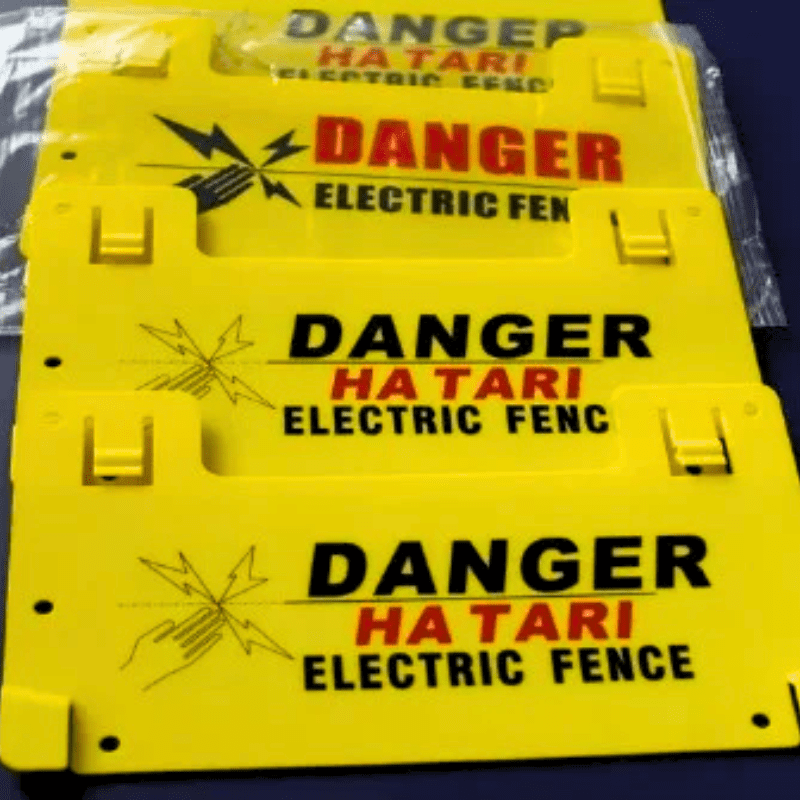
Compliance not only prevents accidents but also protects you from legal liability.
13.10 Summary
Electric fence maintenance is a small investment that yields huge returns in security, performance, and lifespan. By inspecting regularly, keeping vegetation clear, and servicing energizers and accessories, you ensure your system remains powerful and dependable year-round.
With Kenya’s dynamic environment, professional support is highly recommended for long-term reliability.
For expert maintenance, supplies, and inspections:
Visit: www.electricfences.co.ke / www.electricfences.africa
Call / Text / WhatsApp: 0722 708034 / 0720 456534
Chapter 14: Smart Electric Fencing Systems in Kenya – The Future of Security and Farm Management
In recent years, Kenya has witnessed a significant technological shift in the field of electric fencing. What was once a simple, manually controlled barrier has evolved into a smart, automated, and remotely managed system. Smart electric fencing represents the next generation of perimeter security and livestock management—combining power, intelligence, and convenience.
In this chapter, we’ll explore what smart electric fences are, how they work, their benefits, applications in Kenya, and the leading smart energizers and monitoring solutions available today.
For installation, products, and professional advice on smart fence technology, visit www.electricfences.co.ke or www.electricfences.africa.
Call / Text / WhatsApp: 0722 708034 / 0720 456534
14.1 What Are Smart Electric Fencing Systems?
A smart electric fence system integrates traditional electric fencing components—energizers, wires, and insulators—with advanced electronic monitoring, automation, and connectivity tools.
These systems can detect faults, send real-time alerts, and allow remote control via smartphones or computers. They use Wi-Fi, GSM, or cloud technology to communicate fence performance data, making them ideal for farms, wildlife conservancies, and high-security properties.
In short: a smart fence “thinks” and “communicates” — ensuring your property stays secure even when you’re miles away.
14.2 Key Features of Smart Electric Fences
Smart fencing systems are designed for reliability, control, and efficiency. Below are some of the standout features that set them apart:
- Remote Monitoring: Check fence voltage, power status, and faults from your phone.
- Real-Time Alerts: Receive SMS, email, or app notifications for power drops, tampering, or short circuits.
- Smart Scheduling: Automate fence operation times—turn the energizer on or off remotely.
- Dual Connectivity: Operate via Wi-Fi, GSM, or Bluetooth for flexibility in remote locations.
- Data Logging: Track fence performance and history for preventive maintenance.
- Multi-Zone Management: Monitor multiple fence sections or zones independently.
- SOS and Security Integration: Connects to alarm systems, sirens, and CCTV for advanced security.
For example, the JVA CloudLink and Spark X Smart Energizer systems are popular in Kenya for offering full control and visibility over electric fences.
14.3 How Smart Fencing Systems Work
Smart electric fences combine hardware (energizer, sensors, and controllers) with software (mobile or cloud-based platforms).
Step-by-Step Functionality:
- The energizer powers the fence and monitors voltage levels.
- Sensors and smart modules detect electrical fluctuations, faults, or tampering.
- The system sends data to a mobile app or control dashboard via Wi-Fi or GSM.
- Users receive real-time alerts and can adjust settings or trigger alarms remotely.
These systems often integrate with IoT (Internet of Things) platforms for broader farm management, such as water monitoring, animal tracking, and solar performance.
14.4 Benefits of Smart Electric Fencing
Smart electric fencing offers a wide range of benefits for both residential and agricultural users in Kenya.
1. Enhanced Security
You receive instant alerts if the fence is cut, shorted, or loses power—allowing immediate action.
2. Remote Control and Convenience
Control your energizer from anywhere via smartphone, reducing the need for physical inspections.
3. Energy Efficiency
Smart systems automatically adjust voltage output or turn off sections not in use, conserving power.
4. Preventive Maintenance
By monitoring performance, you can fix faults before they lead to system failure.
5. Cost Savings
Reduced energy usage and maintenance trips save both time and money in the long run.
6. Integration with Smart Farms and Security Systems
Combine your electric fence with CCTV, gate automation, or smart livestock trackers for a unified management platform.
14.5 Popular Smart Electric Fence Models in Kenya
Kenya has several reliable smart energizer systems designed for both urban and rural applications.
1. JVA CloudLink System
- Works with any JVA energizer.
- Connects to the JVA Cloud for remote monitoring and control.
- Sends SMS or push notifications for fence faults or tampering.
- Ideal for commercial and agricultural use.
2. Spark X Smart Energizer
- Combines energizer and GSM module in one device.
- Offers mobile app control, voltage display, and fault alerts.
- Dual connectivity: GSM + Wi-Fi.
- Affordable for small and medium farms in Kenya.
3. Nemtek Merlin 4i Intelligent Fence System
- Integrates with security alarm panels.
- Multi-zone monitoring capability.
- Logs data and provides comprehensive reporting.
- Used in estates, factories, and high-security facilities.
You can explore these products at www.electricfences.co.ke
Call / Text / WhatsApp: 0722 708034 / 0720 456534
14.6 Applications of Smart Fencing Systems in Kenya
Smart electric fences are versatile and can be customized for different environments:
Residential Security:
Monitor your home fence remotely and integrate with CCTV or alarm systems.
Livestock Management:
Track fence voltage around paddocks and receive alerts if animals break through.
Crop Protection:
Prevent intrusion by wild animals (e.g., elephants, warthogs) through real-time alerts.
Commercial and Industrial Sites:
Secure warehouses, factories, and construction zones with multi-zone fence management.
Wildlife Conservancies:
Use smart energizers and solar systems to power remote fences and protect wildlife corridors.
14.7 Integration with Solar Power Systems
In many rural areas of Kenya, mains electricity is unavailable or unreliable. Smart fences easily integrate with solar systems, offering sustainable, off-grid security.
Advantages of Solar-Powered Smart Fences:
- Independent from Kenya Power supply fluctuations.
- Cost-effective over time.
- Eco-friendly and easy to maintain.
- Ideal for large farms and remote installations.
You can order solar-ready smart energizers and JVA Solar Kits from www.electricfences.africa/shop.
Call / Text / WhatsApp: 0722 708034 / 0720 456534
14.8 Installation and Setup Tips
To ensure reliable operation of your smart fence system:
- Use high-quality insulated cables for data and power connections.
- Position solar panels where they receive maximum sunlight.
- Install a lightning diverter to protect sensitive electronics.
- Configure your app notifications for quick fault response.
- Regularly update firmware or app versions to enhance security.
For professional installation services, contact Electric Fences Kenya Ltd, certified JVA and Nemtek installers.
Call / Text / WhatsApp: 0722 708034 / 0720 456534
14.9 Future Trends in Smart Electric Fencing
The future of fencing in Kenya is digital, data-driven, and integrated. Emerging technologies include:
- AI-powered fault prediction to anticipate system failures.
- Drone-based fence inspections for large properties.
- Cloud-based performance dashboards with predictive analytics.
- Integration with farm IoT platforms (e.g., water pumps, weather sensors, and livestock collars).
As Kenya continues to embrace smart farming and digital security, smart fences will play a key role in ensuring safety, sustainability, and productivity.
14.10 Summary
Smart electric fencing is transforming how property owners in Kenya secure and manage their assets. From remote monitoring to predictive maintenance, these systems offer unmatched control, efficiency, and reliability. Whether you run a dairy farm in Eldoret, a conservancy in Laikipia, or a gated estate in Nairobi, smart fencing ensures peace of mind and 24/7 protection.
For installation, upgrades, and smart fence products:
Visit: www.electricfences.co.ke / www.electricfences.africa
Call / Text / WhatsApp: 0722 708034 / 0720 456534
Chapter 15: Choosing the Right Electric Fence System for Your Property in Kenya – Expert Recommendations
Choosing the right electric fence system for your property in Kenya is a critical decision. The effectiveness, durability, compliance, and cost of your fence all depend on “right-sizing” the system—matching your specific security, agricultural, or wildlife-protection needs with the correct type of energiser, wires, posts, accessories and installation approach. In this chapter, we’ll provide expert-level guidance on how to select the right system for your property, with Kenya-specific considerations, supplier advice, budgeting tips, and legal/regulatory compliance.
For quality fences, materials and professional installation support: www.electricfences.co.ke / www.electricfences.africa
Call/Text/WhatsApp: 0722 708034 / 0720 456534
15.1 Define Your Purpose and Scope
Before you purchase any materials or hire installers, clearly define why you need an electric fence. This helps determine everything else downstream—energiser size, conductor type, post spacing, etc.
Ask yourself:
- Is the fence for residential security (homes, estates, apartments)?
- Is it for livestock containment or rotational grazing on a farm?
- Is it for wildlife deterrence or game-fence (e.g., elephants, hyenas)?
- Is it for commercial/industrial security (warehouses, factory premises)?
Once purpose is clear, determine scope:
- The length of the boundary (in metres or kilometres).
- The terrain (flat, hilly, slopes, rocky, sandy).
- Access points or gateways, existing walls or free-standing posts.
- Power source availability (mains grid, solar-battery, remote).
- Any existing structures you will integrate (walls, chain-link fences, hedges).
For example, [Electric Fences Kenya] advise measuring your perimeter and checking terrain as first step. Electric Fences Kenya+1
Call/Text/WhatsApp: 0722 708034 / 0720 456534
15.2 Match the Energiser to Your Fence Length and Load
One of the most common mistakes in Kenya is selecting an energiser that is too weak for the fence length or the expected load (vegetation, multiple wires, long runs). As noted in a Kenyan installer guide: If your energiser is under-powered, you’ll have weak spots that intruders or animals can exploit. SurviSec Technologies+1
Key considerations:
- Calculate the total fence wire length (including all strands) rather than just boundary length.
- Choose an energiser rated for more than your fence length—allowing for vegetation, wear, future expansion.
- Determine the “load” (trees, shrubs, tall grass touching wires) – heavy load = higher output needed.
- Consider power source: Mains, battery, or solar. For remote farms in Kenya, solar is often the best option. Moffam Electricals+1
By getting the energiser right, you ensure consistent voltage across the fence, reducing weak sections and improving effectiveness.
Call/Text/WhatsApp: 0722 708034 / 0720 456534
15.3 Choose the Correct Type of Fence System (Wall-top vs Free-standing vs Portable)
Depending on your property and purpose, you may choose among several fence system types in Kenya:
- Wall-top systems: Mounted on existing boundary walls, ideal for residential compounds or business premises in urban or peri-urban areas.
- Free-standing perimeter systems: Posts installed independently; best for farms, large properties, or where no boundary wall exists.
- Portable or temporary systems: Lightweight posts, poliwire or politape, suited for rotational grazing or temporary setups.
Selecting the correct type ensures installation ease, cost-effectiveness, and suitability for your environment. For example, in Kenyan farms you’ll often see free-standing fences, while urban homes use wall-top. Agcenture
Make sure your chosen system aligns with your property’s terrain, accessibility for installation, and long-term maintenance expectations.
Call/Text/WhatsApp: 0722 708034 / 0720 456534
15.4 Select Quality Components: Wires, Posts, Insulators, Accessories
Even the best energiser will falter if wires, posts, or insulators are of poor quality. In Kenya, where environmental conditions (UV exposure, dust, vegetation, humidity) are demanding, selecting robust components matters.
- Wires & conductors: High-tensile galvanized steel wire for permanent fences; poliwire, politape for temporary/portable fences.
- Posts: Treated wooden, steel/galvanised, concrete or recycled plastic posts depending on budget and application.
- Insulators: UV-resistant plastics or porcelain types suited for Kenyan sun and environment.
- Accessories: Tensioners, connectors, gate handles, warning signs, fault testers.
Supplier guidance: Ensure you buy authentic, UV-protected materials (cheap alternatives degrade quickly). Electric Fences Africa+1
Call/Text/WhatsApp: 0722 708034 / 0720 456534
15.5 Evaluate Budget, Cost-effectiveness & Long-Term Value
When choosing a system, cost is always a factor—but you should aim for long-term value rather than just lowest upfront cost. In Kenya, electric fence installation cost per metre varies widely. Palean+1
Consider:
- Up-front cost of materials + installation
- Long-term maintenance costs (vegetation clearance, wire replacements)
- Cost savings compared to other fencing options
- Return on investment in terms of security, livestock containment, reduced theft or wildlife losses
An “affordable” but poorly installed system may cost more over time than a well-designed and high-quality system.
Call/Text/WhatsApp: 0722 708034 / 0720 456534
15.6 Ensure Regulatory Compliance and Safety
In Kenya, electric fence installations must meet certain safety and regulatory standards to protect humans, animals, and property. Installation without compliance can lead to legal or insurance issues.
Key compliance issues:
- Warning signs every 10–20 metres along fences in public areas. Electric Fences Kenya
- Proper earthing/grounding to ensure safe shock delivery and avoid dangerous faults.
- Energiser must be certified and compatible with local standards.
- Distance from public paths, height of wall-mounted systems, and load-bearing capacity.
Always use certified and experienced installers to ensure your system meets Kenyan requirements.
Call/Text/WhatsApp: 0722 708034 / 0720 456534
15.7 Tailor the System to Your Environment & Future Needs
Your geographic location in Kenya affects many decisions: soil type (sandy, rocky, clay), vegetation load, weather, wildlife pressure, and power availability.
- In dry, sandy soils (e.g., parts of Rift Valley), extra earth rods or watering them may be needed to ensure good grounding.
- Coastal/humid areas require anti-corrosive materials.
- Wildlife zones may require higher voltage, stronger energisers and mesh/fence combinations.
- If you plan to expand your property or switch usage (e.g., from farm to conservancy), choose a system that allows scaling.
By thinking ahead, you avoid costly upgrades later.
Visit: www.electricfences.co.ke / www.electricfences.africa
Call/Text/WhatsApp: 0722 708034 / 0720 456534
15.8 Choose a Reputable Supplier & Installer
The best system still depends on what happens during installation. Choose a supplier and installer who:
- Has proven experience in Kenya’s terrain and conditions.
- Offers warranty, after-sales support, maintenance services.
- Provides full materials list, installation checklist, and testing.
- Offers professional guidance through design, sizing, and compliance.
For example, Electric Fences Kenya offers site assessment, professional installation, and long-term support. Electric Fences Kenya
Call/Text/WhatsApp: 0722 708034 / 0720 456534
15.9 Summary & Action Checklist
Summary: Choosing the right electric fence system in Kenya is about aligning your purpose, environment, budget, components, compliance, and long-term maintenance into one coherent plan. Rather than just buying the cheapest fence, invest in the right fence for you.
Quick Checklist:
- Define your fence purpose (security, livestock, wildlife)
- Measure boundary length, assess terrain & power availability
- Choose energiser with capacity for future growth
- Select system type (wall-top, free-standing, portable)
- Select high-quality components (wires, posts, insulators)
- Budget total cost and plan maintenance
- Ensure compliance with Kenyan regulations (warning signs, earthing)
- Tailor to environment (soil, vegetation, wildlife)
- Choose experienced supplier/installer
- Finalise contract, installation date, and post-install testing
Call/Text/WhatsApp: 0722 708034 / 0720 456534
Visit: www.electricfences.co.ke / www.electricfences.africa
For a free site assessment and custom quote tailored to your property in Kenya.