


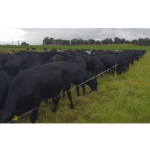

Electric fencing isn’t just about the energizer, wires, and posts. The right tools greatly improve installation speed, accuracy, and long-term performance. Whether you’re installing your first fence or maintaining a large perimeter on a farm or ranch, having quality tools helps avoid common problems like shorts, vegetation contact, poor tension, and unexpected faults.
Below are the essential electric fencing tools used in Kenya, with explanations of what they are and why they matter.
1. Fencing Pliers
Fencing pliers are the most versatile tool you’ll own when working with electric fences. They combine multiple functions in one tool.
Primary Uses
- Cut fencing wires cleanly
- Pull and remove staples from posts
- Grip and twist wires when tying knots
- Sometimes include a flat hammer surface for driving staples
Why It Matters:
A single fencing plier replaces wire cutters, staple pullers, and basic hammers, making it indispensable for both installation and repairs.
2. Wire Tensioner Tool
A wire tensioner adjusts the tension of electrified wires so they remain straight and taut.
Primary Uses
- Stretch fence wires tight before locking them in place
- Maintain tension over time to prevent sagging
- Improve fence performance and reduce electrical leakage
Why It Matters:
Loose wires reduce voltage along the fence line and increase the chance of shorts, especially in wet or overgrown grass.
3. Hayes Wire Tensioner
This is a high-quality tensioning tool used in professional installations.
Primary Functions
- Precisely tighten fencing wires
- Often used in commercial or large-scale fencing projects
Why It Matters:
Stronger tension improves fence durability and electrical performance by keeping wires uniformly tight.
4. Fence Fault Finder (Digital Fault Locator)
Fence fault finders (sometimes called directional fault finders) are advanced voltage testing tools that help locate where electrical faults, short circuits, or ground leaks occur along the fence.
Primary Uses
- Measure fence voltage
- Detect direction of electrical faults
- Pinpoint problem areas without guessing
Why It Matters:
Instead of walking the whole fence line looking for a short, these tools guide you directly to the issue, saving time and improving reliability — especially useful on long fences.
5. Stafix Fence Fault Finder
A specific model of fault finder popular in Kenya’s agricultural and conservancy sectors.
Features
- Digital voltage readout
- Directional indication toward the fault
- Rugged design fit for outdoor use
Why It Matters:
It’s tailored for farmers and security teams to accurately locate faults on long or heavily vegetated fences.
6. Remote Fence Compass / Remote Fault Finder
These advanced tools not only detect faults but also allow remote monitoring and direction finding from a distance.
Primary Uses
- Track voltage levels from afar
- Guide installers toward fault locations
- Sometimes pair with energizers for remote alerts
Why It Matters:
They greatly reduce the time spent finding fence problems — useful for large ranches or perimeter systems.
7. Voltage Testers
Also called fence testers, these devices check whether a fence is live and at what voltage. They range from simple indicator tools to more advanced digital readers.
Primary Uses
- Confirm the fence is energized
- Check voltage drops at specific points
- Verify energizer output and grounding effectiveness
Why It Matters:
Regular voltage checks help catch problems early, before livestock escapes or breaches occur.
8. Strainers and Wire Strainers
Although not always listed under “tools”, strainers (also called chain kaza in Kenya) are essential for pulling wires tight before they are locked into place.
Primary Uses
- Pull and strain wires between posts
- Keep tension even in long runs
- Used with fencing pliers during installation
Why It Matters:
Good strain ensures the wire stays straight and doesn’t sag, which can reduce leakage and faults.
9. Crimping and Connector Tools
Crimping tools secure connectors or sleeves to the fencing wire. Though small, these tools ensure electrical continuity and strength at join points.
Primary Uses
- Join two wire ends without weak points
- Secure conductive joints that carry the electric pulse
Why It Matters:
Poor connections cause voltage drop and fence failure, especially where wires are joined.
10. Wire Tensioning Chain (Chain Kaza)
Often referred to locally as Chain Kaza, this tool is used on heavy or high-tension wire installations. Although not always marketed under general tools, it’s frequently used alongside other fencing tools.
Primary Uses
- Adjust wire tension with mechanical leverage
- Works well for longer spans or heavy wires
Why It Matters:
Provides powerful tensioning that hand-held tensioners or pliers cannot achieve alone.
Additional Tools Worth Considering
While not in the specific Fencing Tools product category list, these tools are common in serious electric fence work and very useful for installation and maintenance:
- Post hole diggers or augers (for planting posts)
- Hammer and screwdrivers to secure fixtures and insulators
- Spirit level and tape measure for layout and placement accuracy
- Insulator drivers for quick and secure insulator installation
Why Quality Fencing Tools Matter in Kenya
Electric fence effectiveness depends heavily not just on the energizer and wires, but on proper tension, solid connections, fault management, and regular maintenance. High-quality tools:
- Speed up installation
- Reduce downtime from faults
- Improve safety and fence longevity
- Help keep livestock, wildlife, and property secure
Whether you’re managing a small farm or maintaining a long perimeter for a large ranch, investing in the right tools will improve reliability and reduce long-term costs.