


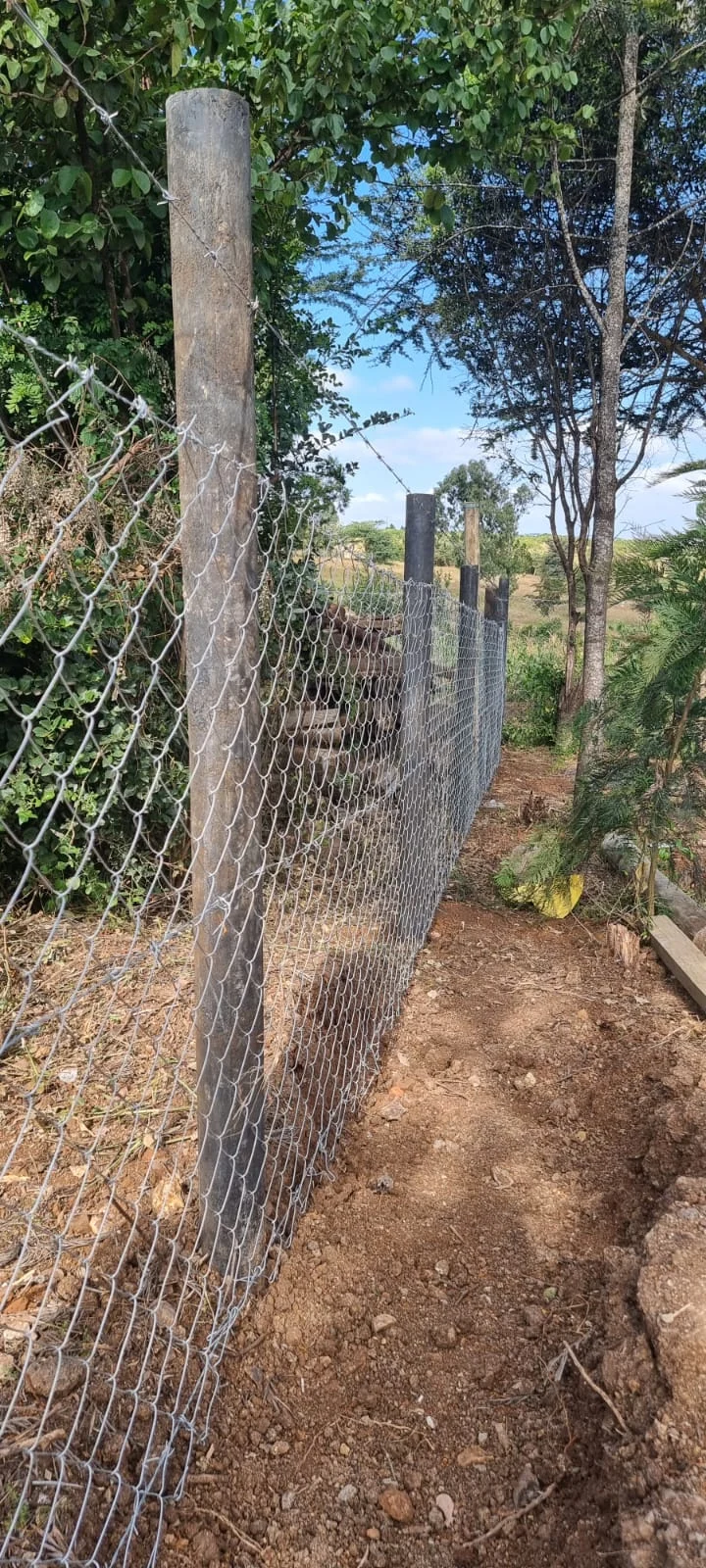
Farm fencing in Kenya is no longer just about drawing a boundary line. It’s about protecting your livestock, securing crops, controlling grazing, and keeping unwanted visitors out. And if you’ve been farming for a while, you already know this painful truth: a weak fence is basically an open invitation for loss.
That’s why plastic fence posts are becoming a game-changer across Kenya.
Whether you’re fencing a dairy farm in Kiambu, a ranch in Laikipia, a maize farm in Trans Nzoia, or a goat farm in Kajiado, plastic posts are quickly proving themselves as the smarter, longer-lasting alternative to traditional fencing materials.
Let’s break it down step by step and see why plastic posts are dominating modern farm fencing services in Kenya.
Why Farm Fencing Matters in Kenya
Fencing is not just a “nice-to-have.” It’s an essential farm investment. A proper fence helps you:
- Prevent livestock theft
- Stop animals from wandering
- Protect crops from grazing animals
- Control rotational grazing systems
- Secure farm boundaries
- Improve farm management and productivity
Imagine running a farm without fencing. It’s like trying to keep water in a basket. You’ll keep losing value daily.
The Growing Popularity of Plastic Fence Posts
Kenyan farmers are switching to plastic posts because they’re:
- Durable
- Weather-resistant
- Termite-proof
- Affordable in the long run
- Eco-friendly (especially recycled plastic posts)
And honestly, with the rising cost of timber and constant termite issues, it makes perfect sense.
What Are Plastic Fence Posts?
Plastic fence posts are fencing poles made from strong synthetic materials, mainly recycled plastics or high-density plastic compounds. They are used to support fencing wires, mesh, barbed wire, or electric fence lines.
Unlike wooden posts that rot or steel posts that rust, plastic posts are designed to survive tough outdoor conditions.
Materials Used in Plastic Fence Posts
Most plastic fencing posts in Kenya are made from:
- Recycled plastic waste
- High Density Polyethylene (HDPE)
- Polypropylene blends
- UV-stabilized plastic compounds
These materials are engineered to withstand sunlight, rain, heat, and physical impact.
How Plastic Posts Are Manufactured
Plastic posts are typically manufactured by:
- Collecting plastic waste or raw plastic
- Cleaning and shredding it
- Heating and melting it
- Molding it into strong post shapes
- Cooling and hardening for strength
The result is a strong fencing post that can last many years without breaking down.
Recycled Plastic vs Virgin Plastic Posts
There are two main categories:
- Recycled plastic posts (most common and eco-friendly)
- Virgin plastic posts (made from new plastic materials)
Recycled posts are more sustainable and often cheaper. Virgin plastic posts may offer more uniform quality but can be more expensive.
Types of Plastic Fence Posts Used in Kenyan Farms
Different farms require different fencing solutions. The good news? Plastic posts come in various types to suit every application.
Recycled Plastic Fence Posts
These are the most common plastic posts used in Kenya. They are made from recycled waste plastic such as:
- bottles
- packaging material
- industrial plastic scraps
They are strong, long-lasting, and environmentally friendly.
HDPE Plastic Fence Posts
HDPE posts are made from high-density polyethylene, a tough material known for high strength and resistance to cracking. These posts are ideal for farms that need strong fencing support.
Plastic Electric Fence Posts
These are lightweight plastic posts specifically designed for electric fencing. They usually come with:
- built-in insulators
- wire clips
- slots for polywire or tape
Perfect for rotational grazing and portable fencing.
Step-In Plastic Posts for Temporary Fencing
Step-in posts are designed for easy installation. You literally push them into the ground using your foot.
They are best for:
- temporary paddocks
- grazing control
- short-term fencing projects
Key Benefits of Plastic Fence Posts for Farms
Plastic posts are not trending for no reason. They solve real problems Kenyan farmers face every day.
Termite and Rot Resistance
If you’ve ever used wooden posts in Kenya, you know termites are like silent thieves. They eat your posts from the inside until your fence collapses.
Plastic posts are 100% termite-proof. They also don’t rot, even in wet soil.
That alone makes them worth it.
Long Lifespan and Durability
A good quality plastic post can last 20 to 50 years, depending on the manufacturer and conditions.
Compare that to wooden posts that may last 3 to 8 years in many Kenyan regions. That’s a massive difference.
Weather Resistance in Kenyan Climate
Kenya has diverse climates:
- coastal humidity in Mombasa
- cold rainy highlands in Nyeri
- hot dry heat in Garissa
- unpredictable seasons everywhere
Plastic posts resist:
- heavy rainfall
- intense sun (UV rays)
- soil moisture
- extreme heat
They don’t warp, crack easily, or weaken fast.
Reduced Maintenance Costs
Once installed properly, plastic posts require minimal maintenance. You won’t be constantly replacing broken posts or treating them with chemicals like timber.
Think of it like buying a good phone once instead of replacing a cheap one every year.
Plastic Posts vs Wooden Posts in Kenya
Wooden posts are still common, but plastic is taking over for good reason.
Cost Comparison
Wooden posts may seem cheaper upfront, but they often require:
- chemical treatment
- replacement every few years
- transport costs due to weight
Plastic posts may cost slightly more initially, but they save money long-term because they last longer.
Durability Comparison
Plastic posts win easily in terms of durability because they don’t suffer from:
- termite damage
- rotting
- splitting
- warping
Installation Ease
Plastic posts are easier to handle and install because they are:
- lighter than timber
- uniform in size
- smoother and safer to carry
When Wooden Posts Still Make Sense
Wood can still be useful for:
- corner posts (when properly treated)
- strainers
- heavy-duty support points
However, many farmers now use wooden or concrete corner posts and plastic posts for the fence line.
Plastic Posts vs Concrete Posts
Concrete posts are strong, but they come with challenges.
Strength and Stability
Concrete is strong, but plastic posts are also strong enough for most farm fencing needs, especially when combined with proper straining.
Portability and Transport
Concrete posts are heavy and expensive to transport. Plastic posts are lighter, meaning:
- cheaper transport costs
- easier installation
- faster fencing work
Installation Speed
Plastic posts are quicker to install because they don’t require heavy digging or lifting equipment.
Plastic Posts vs Steel Posts
Steel posts are popular for high-security fences, but for farms, plastic is often better.
Corrosion Resistance
Steel rusts, especially in humid areas like:
- Kisumu
- Mombasa
- Busia
- rainy highlands
Plastic posts do not rust at all.
Cost and Availability
Steel prices in Kenya fluctuate due to import costs and market changes. Plastic posts are increasingly locally manufactured, making them more stable in pricing.
Best Applications for Steel vs Plastic
Steel posts are best for:
- razor wire fences
- high-security installations
- industrial perimeter fencing
Plastic posts are best for:
- livestock fencing
- electric fences
- paddock fencing
- general farm boundary fences
Best Uses of Plastic Fence Posts in Kenyan Farms
Plastic fence posts are versatile. They can be used for almost every type of farm fencing.
Livestock Fencing (Cattle, Goats, Sheep)
Plastic posts are excellent for livestock because they support:
- barbed wire
- plain wire
- mesh wire
- electric fencing
For goats and sheep, you may need tighter spacing and strong mesh support, but plastic posts still work great.
Poultry and Small Animal Fencing
For chicken runs and rabbit farms, plastic posts work well because they are easy to install and maintain.
Electric Fence Installations
Plastic posts are among the best options for electric fencing because plastic is naturally an insulator.
No extra insulators needed in many cases.
Farm Boundary and Perimeter Fencing
For large farms, plastic posts reduce long-term replacement costs, making them ideal for long boundary lines.
Subdivision Fencing and Grazing Paddocks
If you practice rotational grazing, plastic posts allow you to create paddocks quickly and efficiently.
Plastic Fence Posts for Electric Fencing in Kenya
Electric fencing is booming in Kenya, especially in:
- dairy farms
- ranches
- wildlife zones
- high-theft areas
Plastic posts fit perfectly into these systems.
Compatibility with Electric Fence Wires
Plastic posts can support:
- high tensile wire
- polywire
- polytape
- electric rope
They often come with slots or hooks to hold the wire firmly.
Insulation Advantages
Since plastic does not conduct electricity, it reduces the need for separate insulators. That makes electric fencing:
- cheaper
- safer
- easier to maintain
Recommended Spacing and Layout
Typical spacing for plastic electric fence posts is:
- 3 to 5 meters for flat terrain
- 2 to 3 meters for uneven terrain
- closer spacing for goats and sheep
Using Plastic Posts for Solar Electric Fences
Solar electric fences are common in off-grid farms. Plastic posts are ideal because they are lightweight and easy to install even in remote areas.
Combine plastic posts with:
- solar energizer
- battery system
- earth rods
- high-tensile wire
And you’ve got a strong fence with minimal running costs.
Installation Process of Plastic Fence Posts
Installing plastic posts is not complicated, but doing it right makes all the difference.
Planning and Measuring the Fence Line
Before installation:
- mark the boundary
- clear bushes and vegetation
- measure the distance
- decide spacing based on fencing type
This step prevents unnecessary mistakes later.
Digging and Setting Posts
For permanent fencing posts:
- dig holes (usually 1.5 to 2 feet deep)
- set the posts upright
- compact soil firmly around them
For step-in posts:
- simply push them into the ground
Fixing Wires, Mesh, or Electric Lines
After placing posts:
- attach fencing wire or mesh
- tighten using strainers
- ensure proper tension
- check for sagging
Tools Required for Plastic Fence Post Installation
Common tools include:
- post hole digger
- fencing pliers
- wire strainers
- measuring tape
- hammer and staples (if using wood corner posts)
- tensioners and grips
Recommended Sizes and Specifications
Choosing the wrong post size is like wearing the wrong shoe size. It will work… but painfully.
Standard Plastic Post Heights
Common sizes in Kenya include:
- 4 feet posts (short fencing)
- 5 feet posts (medium livestock fencing)
- 6 feet posts (boundary fences)
- 7 to 8 feet posts (high-security farm fences)
Thickness and Load Strength
Thicker posts are stronger and better for:
- heavy wire tension
- boundary fences
- large livestock like cattle
Post Spacing Guidelines
Spacing depends on the fence type:
- electric fence: 3–5 meters
- barbed wire fence: 2.5–4 meters
- chain link/mesh: 2–3 meters
Corner Posts and Strainer Posts
Plastic posts are great for line posts, but corners require extra strength.
Best practice is to use:
- concrete corner posts
- treated wooden strainers
- steel strainers
Then use plastic posts in between.
Cost of Plastic Fence Posts in Kenya
Prices vary depending on size, thickness, and supplier.
Average Market Price Ranges
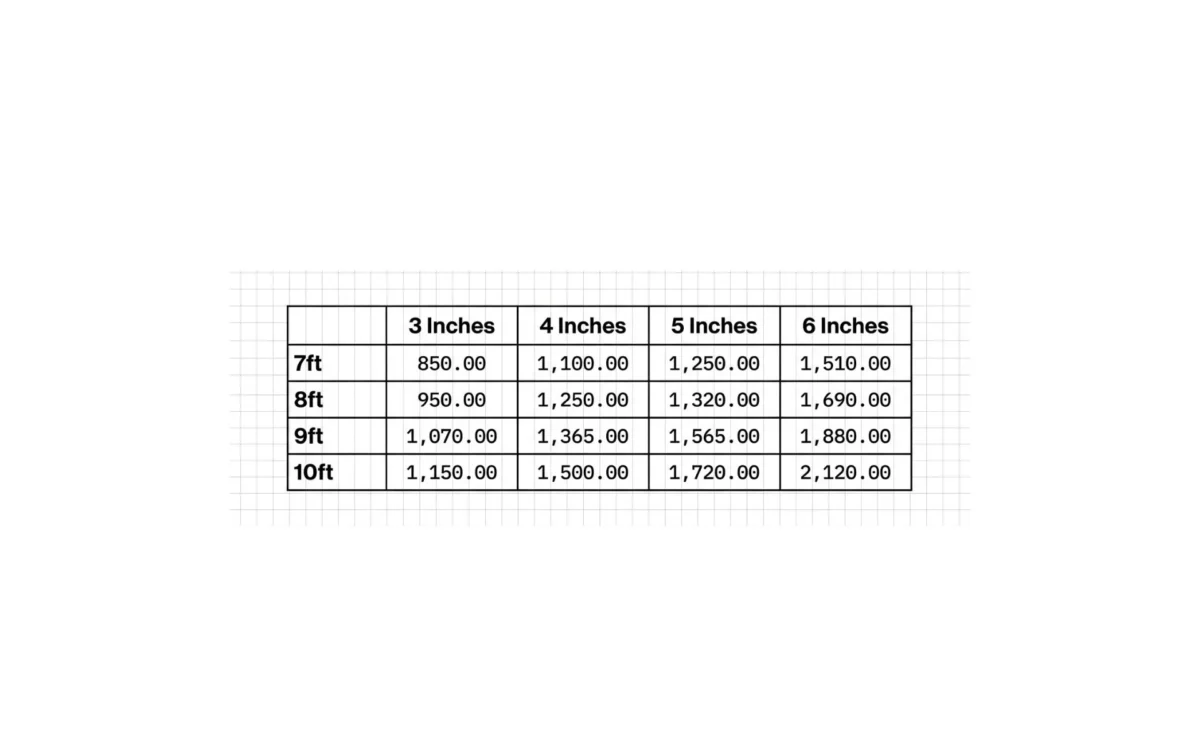
Prices may change depending on transport and bulk orders.
Factors Affecting Cost
Key factors include:
- post height and thickness
- UV protection level
- recycled vs virgin plastic
- brand and supplier
- delivery distance
Bulk Purchase and Installation Packages
Many fencing companies offer discounts for:
- large farms
- ranch fencing projects
- electric fence installations
If you’re fencing several acres, buying in bulk is the smartest move.
Common Challenges When Using Plastic Fence Posts
Plastic posts are excellent, but only if you use them correctly.
Weak Corner Support
Plastic posts should not be used alone for corners. Corners carry tension, and if not reinforced, your fence may loosen.
Solution: use concrete or treated wood corner posts.
Poor Quality Plastic Posts
Some low-grade posts crack easily due to poor manufacturing.
Tip: always choose UV-stabilized posts with good thickness.
Incorrect Installation Methods
If you don’t compact soil properly, posts may tilt over time.
Solution: dig correct depth and compact firmly.
How to Avoid Fence Sagging
Fence sagging happens when:
- posts are too far apart
- tension is weak
- corners are unstable
Fix it by:
- adding strainer posts
- reducing spacing
- tightening wires correctly
How to Choose the Best Plastic Fence Posts Supplier in Kenya
Not all suppliers offer quality posts. Some sell posts that look strong but fail within months.
Check Material Quality and Warranty
A good supplier should offer:
- strong posts with consistent thickness
- warranty (at least 5–10 years)
Look for UV-Resistant Posts
Kenyan sun is not a joke. UV-resistant posts last longer without cracking or fading.
Supplier Reviews and Track Record
Always check:
- customer feedback
- previous installations
- product consistency
Installation Support and After-Sales Service
A professional supplier should also offer:
- delivery services
- installation guidance
- farm fencing consultation
- electric fence accessories
Environmental Benefits of Using Recycled Plastic Posts
Here’s something many farmers love: plastic posts help the environment.
Reducing Plastic Waste
Recycled plastic posts reuse waste that would otherwise pollute:
- rivers
- farmland
- oceans
- drainage systems
Sustainable Farming Practices
Using recycled plastic posts supports eco-friendly agriculture by reducing deforestation.
Supporting Kenya’s Circular Economy
Instead of plastic waste being dumped, it is converted into useful farm products. That means:
- more jobs
- cleaner environment
- sustainable production
Maintenance Tips for Plastic Fence Posts
Plastic posts are low maintenance, but they still need occasional checks.
Cleaning and Inspection
Inspect your fence every few months for:
- loose wires
- leaning posts
- broken clips
Replacing Broken Posts
If a post breaks due to impact (like cattle pressure), replacement is easy and fast.
Tightening Wires and Fence Lines
Fence wires loosen over time. Tighten them occasionally to keep your fence strong.
Seasonal Fence Checks During Rainy Seasons
During rainy seasons, soil becomes soft and posts may shift. Always inspect after heavy rains.
Conclusion
Plastic posts for use on fencing services in farms in Kenya are no longer a “future option”—they are the smart solution happening right now. They offer unbeatable advantages like termite resistance, durability, weather protection, and low maintenance, making them ideal for both small-scale farmers and large ranch owners.
If you’re tired of replacing wooden posts every few years, plastic fence posts are like upgrading from a bicycle to a motorbike. Once you experience the difference, you’ll never want to go back.
Whether you’re installing a livestock fence, an electric fence, or a boundary fence, plastic posts are one of the best long-term investments you can make for your farm security and productivity.
FAQs
1. Are plastic fence posts strong enough for cattle fencing in Kenya?
Yes. High-quality plastic posts are strong enough for cattle fencing, especially when used with proper corner posts and correct wire tensioning.
2. Do plastic fence posts work well for electric fencing?
Absolutely. Plastic posts are excellent for electric fences because they are natural insulators and often come with built-in wire holders.
3. How long do recycled plastic posts last in Kenya?
Most recycled plastic fence posts last between 20 and 50 years, depending on quality and exposure conditions.
4. Are plastic fence posts cheaper than treated wooden posts?
Plastic posts may cost more upfront, but they are cheaper in the long run because they require less maintenance and replacement.
5. Can plastic fence posts be used in wet areas like Kisumu or the Coast?
Yes. Plastic posts are resistant to moisture and do not rot, making them ideal for wet regions and high-humidity zones.